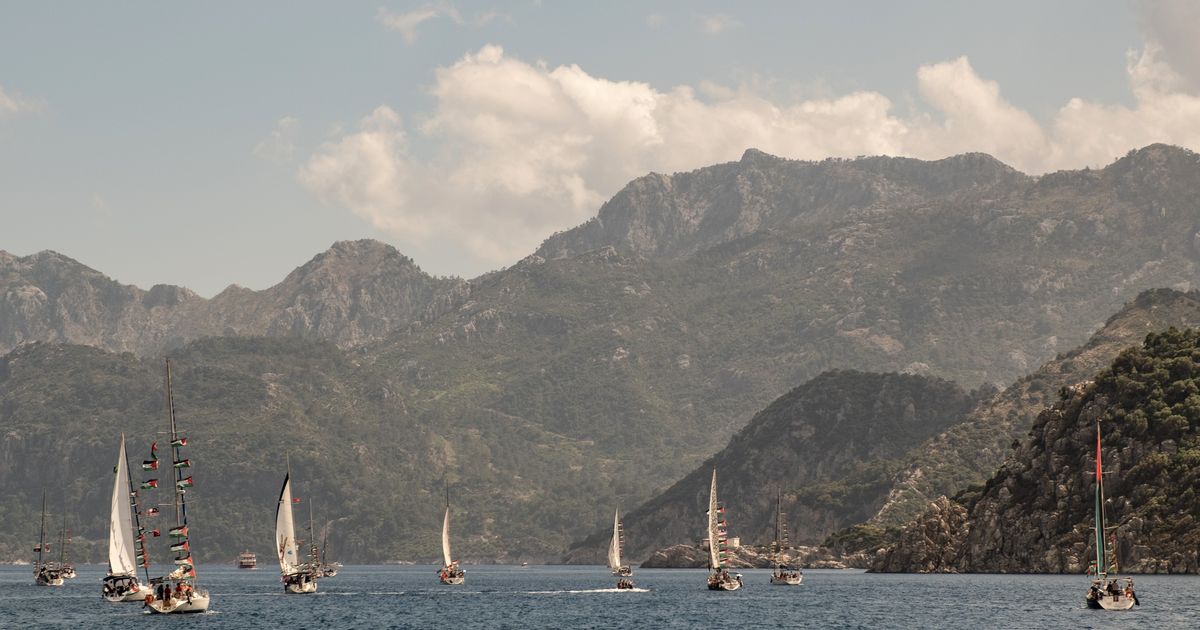
Israeli forces intercepted more than 50 flotilla vessels carrying nearly 500 activists 250 nautical miles from Gaza, blocking the latest attempt to breach the blockade. The operation follows prior interceptions of 20+ boats near Crete on April 30 and recurring disputes over detention, deportation, and alleged mistreatment of activists. The event heightens geopolitical risk around Israel-Gaza and could affect regional security sentiment, though it is not a direct market driver.
The near-term market impact is less about the flotillas themselves and more about the probability distribution for regional friction staying elevated. Repeated interceptions in international waters raise the odds of a diplomatic side-shock: sharper Turkey-Israel tension, renewed European parliamentary pressure, and a higher chance of sanctions rhetoric or shipping-adjacent restrictions that can bleed into insurance, port throughput, and defense procurement narratives. The first-order event is symbolic; the second-order effect is that every repeat incident makes de-escalation harder to price, which keeps geopolitical risk premia sticky across the Eastern Mediterranean.
From a cross-asset lens, the cleanest beneficiaries are not obvious equities but maritime security, ISR, and border/force-protection contractors. The broader logistics angle is that even if physical Gaza-bound traffic is irrelevant economically, sustained media attention can increase perceived risk on nearby routes and port operations, nudging war-risk insurance pricing and compliance overhead for shipowners with Mediterranean exposure. That matters most for operators with thin margins and high route optionality, where a modest increase in insurance or delay risk can meaningfully hit EBITDA.
The contrarian read is that the direct supply-chain impact is probably overestimated. This is not a chokepoint event like Suez or Hormuz, so unless protests expand into commercial shipping disruption, the market should not extrapolate too much into global freight rates. The real tradable catalyst is escalation in rhetoric or retaliation, not the interception itself; if the story fades without broader unrest, the geopolitically sensitive risk premium can unwind quickly over days to a couple of weeks.
Watch for any spillover into Turkish assets or Israeli defense names if the narrative shifts from protest management to state-to-state friction. The most important tail risk is an incident with casualties or a detention dispute that triggers formal diplomatic retaliation; that would extend the half-life of the event from days to months and could rerate regional defense and cybersecurity spend expectations.
AI-powered research, real-time alerts, and portfolio analytics for institutional investors.
Request DemoOverall Sentiment
mildly negative
Sentiment Score
-0.15
