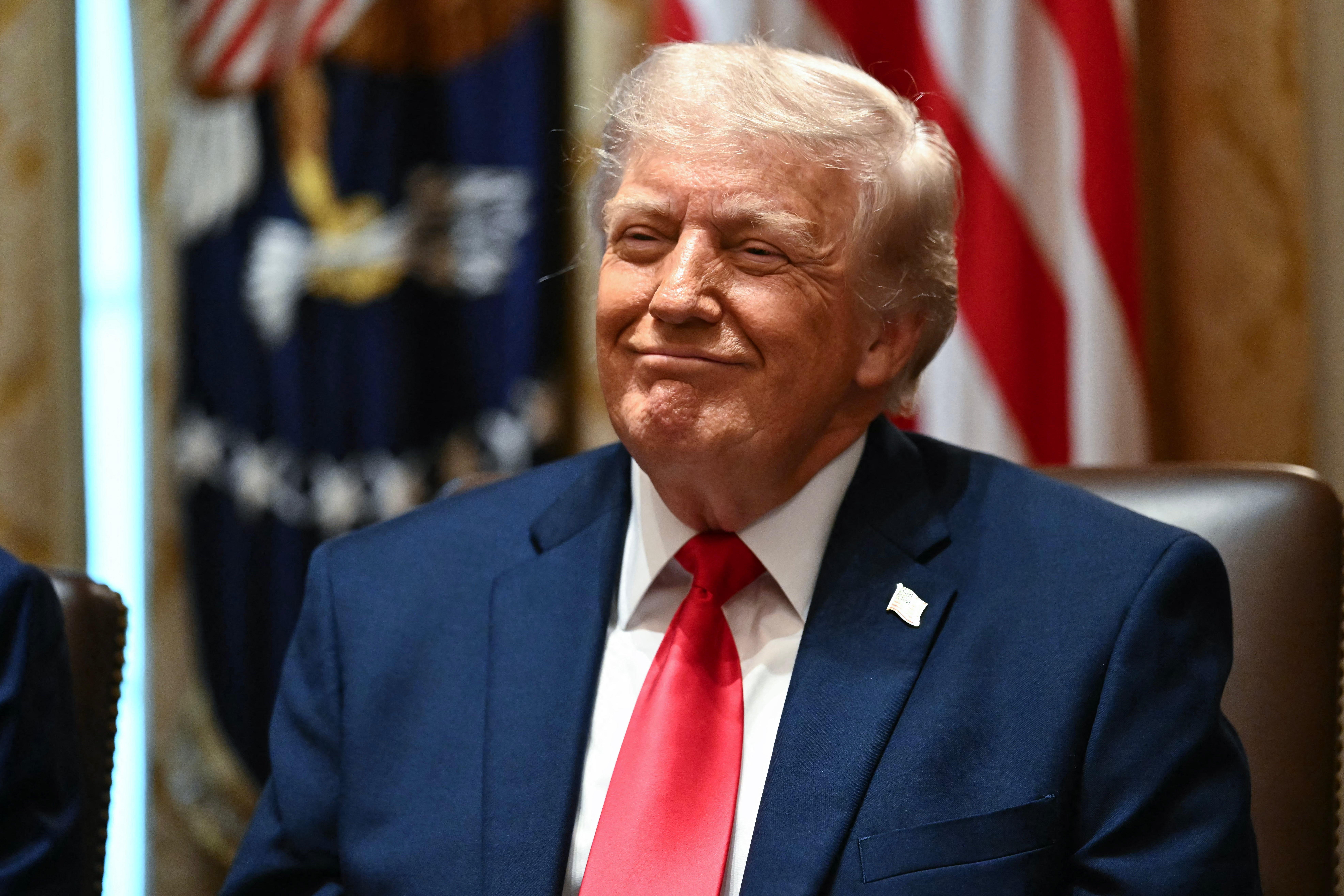
Trump threatened Oman over control of the Strait of Hormuz and suggested he may withhold a peace deal with Iran unless more nations join the Abraham Accords. The strait has been closed for nearly 90 days, disrupting oil and natural gas shipping routes and contributing to a sharp rise in global energy prices. The article also highlights stalled peace talks, ongoing U.S. strikes, and mounting Capitol Hill resistance to White House Iran policy.
The market’s first-order read is higher energy risk, but the more important second-order effect is a widening volatility premium across every asset tied to Middle East transit and policy credibility. A prolonged Hormuz disruption is not just an oil story; it is a shipping, insurance, LNG, fertilizer, and petrochemical input-cost shock that can feed through with a 4-12 week lag, forcing a repricing of global inflation expectations and keeping front-end rates sticky even if growth softens. The political signal is also asymmetric: public maximalism reduces the odds of a clean diplomatic off-ramp because counterparties now need to price in U.S. policy reversibility and escalation risk. That raises the expected duration of the shock, which is more damaging to cyclicals and airlines than to outright commodity producers, because margin compression can persist even if spot prices retrace on headlines. The biggest hidden winner is likely defense logistics and maritime security names that benefit from sustained escort, surveillance, and munitions demand rather than one-off strike activity. The contrarian risk is that the market overestimates the duration of the closure if a backchannel compromise emerges on asset relief or inspection terms. But even a partial reopening would not normalize freight rates immediately; insurance underwriters and shipowners typically wait for a sustained de-escalation window before collapsing premiums. That makes the next 2-6 weeks the key window for tactical positioning, while the broader macro impact can linger into Q3 through higher transport and input costs.
AI-powered research, real-time alerts, and portfolio analytics for institutional investors.
Overall Sentiment
strongly negative
Sentiment Score
-0.78
