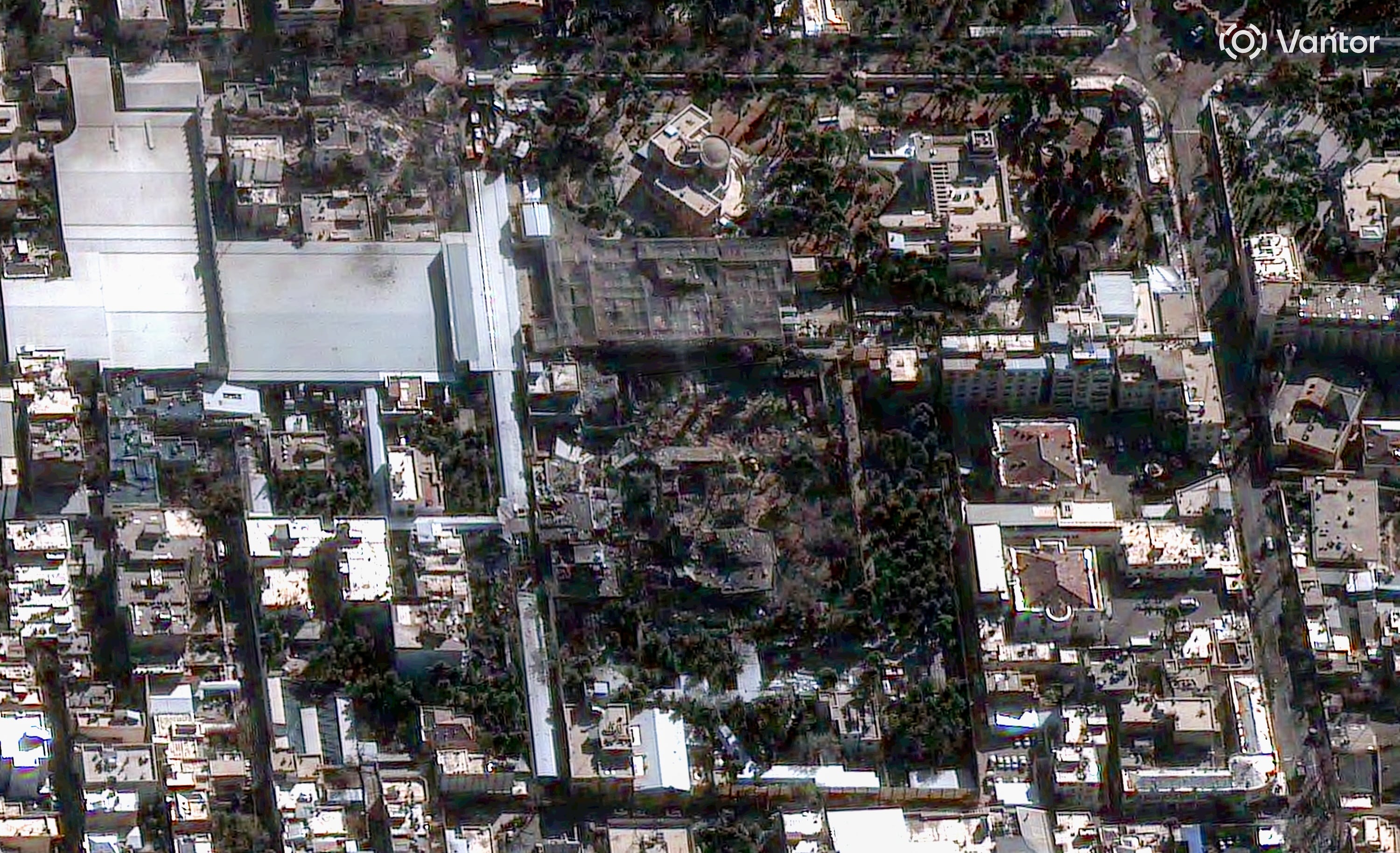
U.S. defense leaders said Operation Epic Fury, launched Feb. 28 against Iranian missile and air-defense sites, has resulted in four U.S. service members killed and more personnel and tactical aviation en route as commanders brace for additional losses. CENTCOM reported three F-15E jets were lost to friendly fire (six crew ejected safely) and Iranian sources say 555 people have been killed in Iran; U.S. officials struck more than 1,000 targets in the first 24 hours. The developments raise the risk of further regional escalation and warrant monitoring for implications to defense equities, risk sentiment, and potential commodity (oil) volatility depending on the conflict’s trajectory.
Market structure: Immediate winners are prime defense primes (LMT, RTX, NOC, GD) and integrated energy producers (XOM, CVX) as procurement/replenishment and oil-risk premia rise; immediate losers are commercial airlines (AAL, DAL, UAL), tourism and EM exporters linked to MENA. Expect defense order re-rate and pricing power to push sector returns +6–12% relative to S&P over 3 months if hostilities persist; oil shocks (>+$20/bbl) would transfer ~5–10% EBITDA upside to integrated majors in months 1–3.
Risk assessment: Tail risks include rapid escalation (attacks on shipping or regional states) sending Brent >$120 within 2–6 weeks and knocking S&P down 10–20%, or a swift de-escalation that leaves defense stocks overshot by >15%. Near term (days) expect risk-off (equities -2–5%, VIX spike); short term (weeks) tightening in defense supply chains and order books; long term (quarters+) potential for +5–10% sustained defense budget growth. Hidden dependencies: missile guidance, avionics and titanium supply chains (Russia/Ukraine) and sanctions on dual-use suppliers can sharply change margins.
Trade implications: Tilt portfolio toward primes: establish 2–3% longs in LMT, RTX, NOC within 3 trading days and size defensively; hedge market risk with +1–2% TLT/IEF (buy up to 2% if S&P drops >4% in 5 days). Energy: initiate a 1% position in XOM/CVX and a 90-day call spread on CVX 5%–12% OTM (buy protection if Brent >$95). Short directional: reduce airline exposure by 50% of current weight or short UAL/AAL pair vs long LMT as a 1:1 dollar pair trade.
Contrarian angles: Consensus may overprice indefinite conflict — if hostilities de-escalate within 30–45 days defense names could retrace 10–20%; small-cap defense contractors (e.g., KTOS) and high-beta suppliers may be overbought and are candidates for short if they rally >15% without award flow. Historical parallels (1990–91 Gulf) show oil spikes normalize in 3–6 months; set rules-based exits: cut energy calls if Brent falls 15% from peak or S&P rebounds +8% from bottom.
AI-powered research, real-time alerts, and portfolio analytics for institutional investors.
Request TrialOverall Sentiment
strongly negative
Sentiment Score
-0.60
