
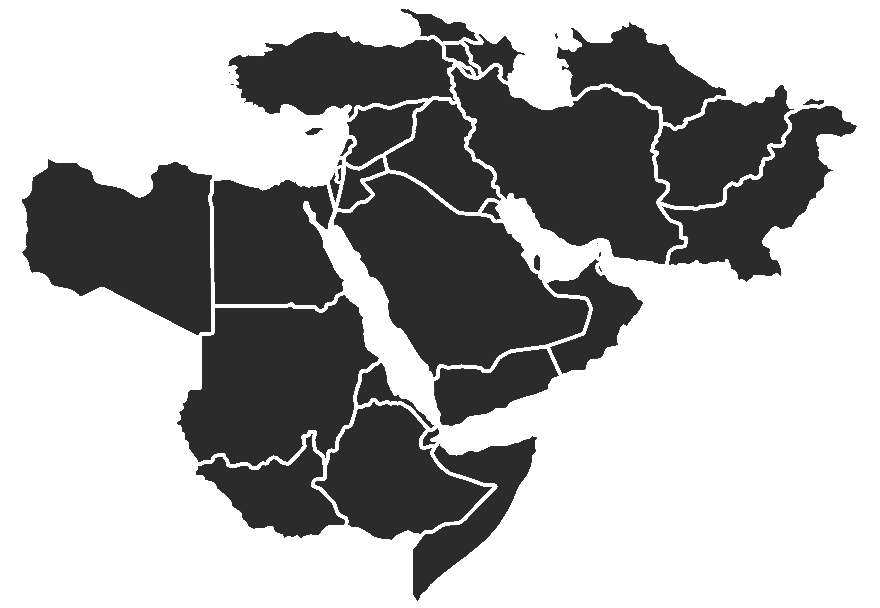
The Ethiopian National Defense Force has massed troops, heavy artillery and mobilized reservists along the Tigray border and is likely to launch an offensive against the TPLF within weeks, while the TDF and reported Eritrean forces have also deployed armor and artillery, leaving only a slim chance for peace. Redeployments have opened security gaps exploited by Amhara Fano and the OLA, and the confrontation risks cascading into a wider regional proxy conflict involving Eritrea, Sudan (RSF/SAF), Egypt, the UAE, Israel and potentially Saudi Arabia — with implications for Red Sea ports, shipping routes and regional security that could materially affect regional trade and risk premia for investors with Horn of Africa exposure.
Market structure: A limited northern-Ethiopia/Eritrea flare up + Red Sea proxy competition materially favors defense and energy suppliers and marine insurers while hurting frontier EM sovereigns, logistics/port operators and regional airlines. Expect 4–12 week spikes in freight rates and marine insurance premiums (comparable episodes saw +100–300%), transiently boosting freight-sensitive equities (ZIM) and Brent prices by +5–15% if Bab-el-Mandeb transits are threatened.
Risk assessment: Tail risks include a sustained closure of Bab-el-Mandeb, escalation to interstate Eritrea–Ethiopia war drawing Egypt/UAE/Israel (low probability ~10–20% in next 3 months but high impact), and retaliatory sanctions that widen EM sovereign CDS by 200–500bps. Immediate (days) impact = volatility and EM outflows; short-term (weeks–months) = wider spreads and shipping reroutes; long-term (quarters) = durable defense budgets and Gulf-state realignment of infrastructure capital.
Trade implications: Tactical hedges now; selectively buy defense (RTX, LMT) and energy exposure (Brent via BNO/XLE call spreads) while cutting frontier EM sovereign exposure (trim EMB weight). Use 3-month put protection on EEM (5% OTM) sized 1–2% notional and buy 3-month Brent 1–2% notional call spreads to capture a >$5–8/bbl move. Rebalance into insurers/brokers (MMC) for higher premium capture if underwriters price war risk into H1 earnings.
Contrarian angle: Consensus may overprice a region-wide prolonged shock; historical Red Sea disruptions normalized in 3–6 months. If no major port attack occurs in 30 days, insurance and freight rates should mean-revert 40–60% from peaks—use short-dated mean-reversion option trades (sell 1-month strangles after spikes) and consider selective small-cap regional beneficiary longs (ESLT, ZIM) that are beaten down but exposed to sustained freight/defense demand.
AI-powered research, real-time alerts, and portfolio analytics for institutional investors.
Request TrialOverall Sentiment
strongly negative
Sentiment Score
-0.70
Ticker Sentiment
