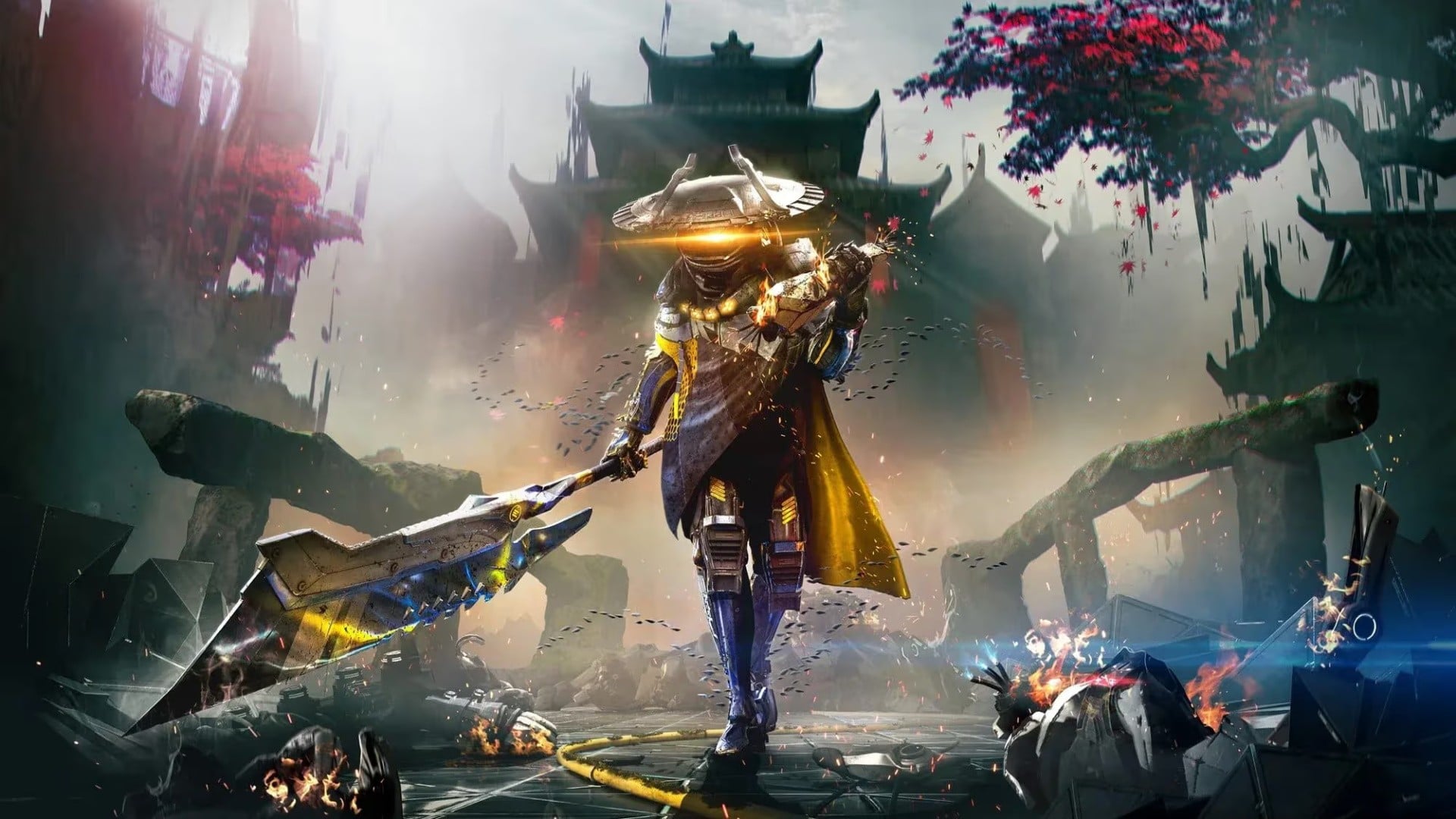
Morbid Metal has launched in early access on Steam, with a 10-hour campaign, procedurally generated replayable content, three playable characters, and roguelike elements. The game has already earned 'very positive' user reviews, though only from a few hundred reviewers so far. Ubisoft is the publisher, but developer Screen Juice has not committed to a console version and says it plans to keep the game in early access while incorporating community feedback.
This is a small but useful read-through on how lower-capex, high-variance game launches can still move meaningful sentiment around a publisher with a damaged brand. The key second-order effect is not the game’s initial revenue pool; it’s whether a credible external studio can prove Ubisoft can monetize IP without the usual franchise baggage, which would modestly improve the probability of future licensing, publishing, and platform-expansion deals. If engagement holds beyond the first few hundred reviews, the better trade is not on the game itself but on the optionality embedded in Ubisoft’s publishing pipeline and the market’s willingness to assign any value to non-core, externally developed content.
The risk is that early access enthusiasm decays quickly if the procedural loop starts to feel repetitive after the honeymoon period. That matters because roguelike/action titles tend to face a sharp retention cliff between week 2 and week 8; if the concurrent base fails to stabilize, the likelihood of a console port drops materially and the market will treat the launch as a one-off rather than a repeatable publishing model. In that case, any upside to Ubisoft is limited to a small PR win, while the more important signal becomes negative: external developers may continue to avoid dependence on a publisher perceived as extractive rather than additive.
Contrarian view: the market may be over-indexing on the 'Ubisoft bad' narrative and underweighting the value of a publisher that can quietly fund and distribute third-party projects without forcing them into its template. That opens the door to a more nuanced read on the stock: if this title demonstrates that Ubisoft can be a hands-off distribution partner, the long-run margin profile on third-party publishing could be better than consensus assumes, even if core franchise execution stays mixed. The catalyst window is short on launch metrics, but the console-port narrative, if it emerges over the next 1-2 quarters, would be the real re-rating trigger.
AI-powered research, real-time alerts, and portfolio analytics for institutional investors.
Request DemoOverall Sentiment
mildly positive
Sentiment Score
0.35
