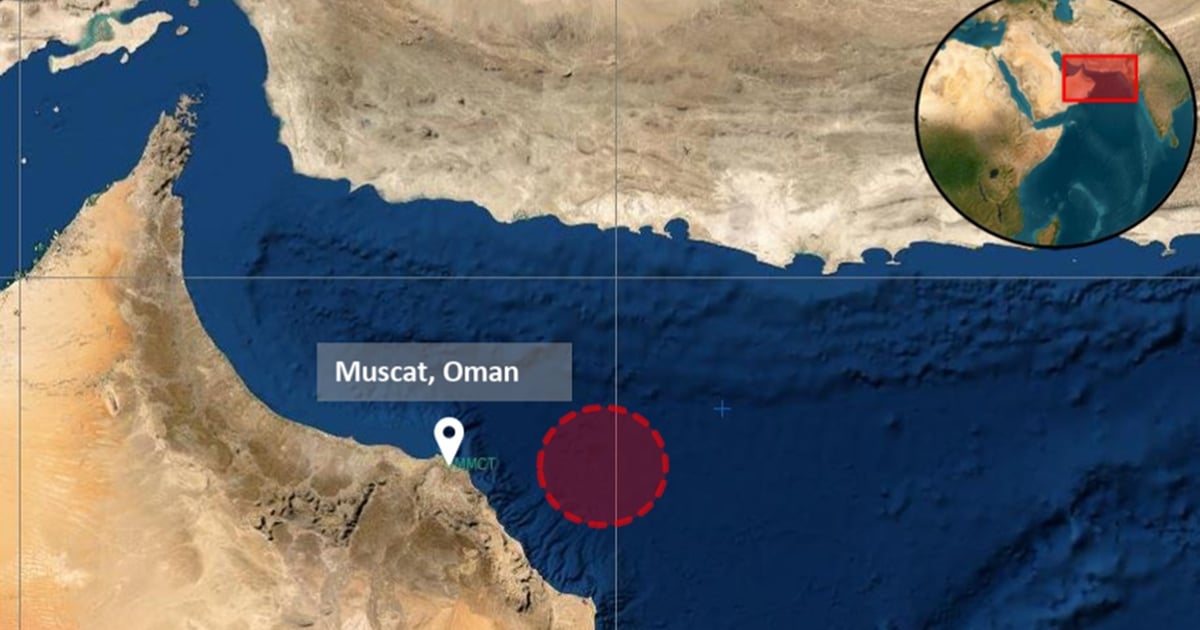
A Marshall Islands-flagged VLCC, the Olympic Life, was hit by an external explosion 60 nm east of Oman, discharging some bunker fuel into the sea. The tanker was reported safe and continued on voyage, but the incident adds to heightened shipping risk in the Strait of Hormuz and Gulf of Oman after US strikes on Iranian boats and a naval base. The escalation raises the chance of disruption to maritime traffic, insurance costs, and regional energy transport flows.
This is less about a single tanker incident and more about the market repricing the probability of persistent friction in the Gulf of Oman/Hormuz corridor. The first-order move is obvious: higher war-risk premia, higher bunker volatility, and a temporary bid for rates on crude/product routes. The second-order effect is more important for positioning: once crews, owners, and insurers perceive that commercial transits can be disrupted even outside the narrowest choke point, routing optionality shrinks and the whole regional shipping network becomes less efficient, which can lift effective ton-miles without any change in underlying oil demand.
The tradeable spillover is that the market will likely overpay for near-dated protection while underpricing duration risk. If the ceasefire framework unravels, you can get a fast two- to five-session jump in VLCC and MRL costs, but the bigger P&L driver over 1-3 months is insurance, re-insurance, and charterer behavior: cargo owners tend to front-load shipments, then pause, creating a whipsaw in spot utilization. That usually favors asset-light shipping names and punishes downstream industrials and airlines via input-cost and inventory effects.
The contrarian view is that the physical supply shock may remain contained if tankers continue to transit and state actors prefer signaling over sustained interdiction. In that case, the market may fade the risk premium within days, especially if diplomatic headlines improve. But even a brief incident can reset underwriting standards for weeks, so the asymmetry is still skewed toward owning optionality rather than chasing spot-sensitive beta.
For energy equities, the bigger risk is not crude higher for one day; it is a stop-start pattern that keeps realized prices elevated while headline Brent lags. That environment tends to widen differentials, support short-cycle US shale, and create dispersion within integrateds depending on trading desks and refining exposure. The cleanest way to express the view is through relative value rather than outright directional oil unless confirmation of broader disruption emerges.
AI-powered research, real-time alerts, and portfolio analytics for institutional investors.
Request DemoOverall Sentiment
strongly negative
Sentiment Score
-0.55
