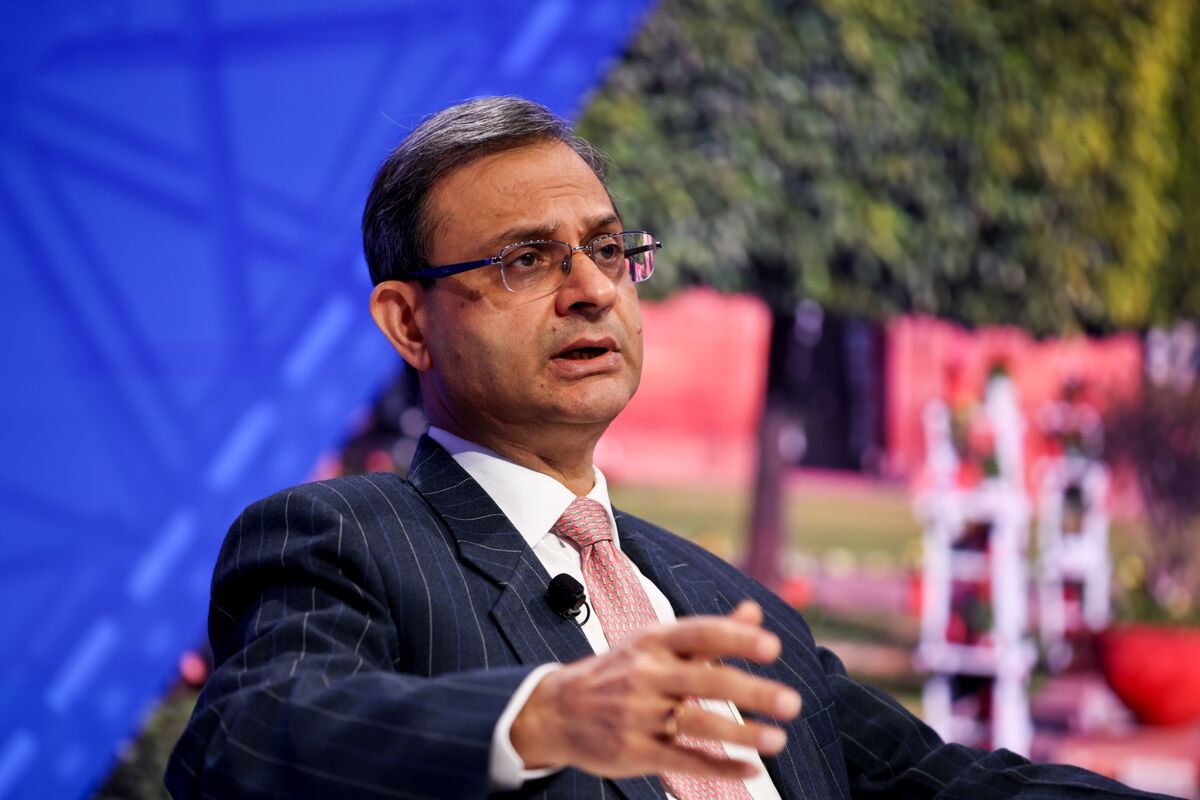
The Reserve Bank of India publicly rejected speculation that it will tweak its exchange-rate policy, signaling an intent to maintain the current FX framework. That pushback should temper bets on imminent policy-driven moves in the rupee and reduce event-driven FX volatility, suggesting continuity for traders exposed to India FX and asset flows. Hedge funds should factor in lower near-term probability of a policy shift when positioning currency and emerging-market exposure.
Market structure: RBI pushback that it will not tweak exchange-rate policy preserves a status-quo regime that favors stability-sensitive winners — domestic banks (HDB/HDFC Bank exposure), consumer cyclicals and import-reliant corporates — and hurts exporters and software names that benefit from deliberate rupee weakness. Expect spot USDINR volatility and 1-month implied FX vol to compress (order of magnitude: -10% to -30% relative to spikes) as speculative flows retreat and FX intervention expectations fall.
Risk assessment: Tail risks include a policy U‑turn or undeclared FX intervention (low probability, high impact) that could move INR >3% in a week; global shocks (Fed surprise, crude >$95/bbl) could overwhelm RBI and force currency moves. In the next 1–6 months watch FX reserves and monthly CAD/fiscal prints; over 6–24 months structural pressures (fiscal deficit, crude) remain the dominant risk to rupee credibility.
Trade implications: Tactical play: favor long India beta and domestic financials via INDA (2–3% portfolio) and HDB (1–2% position) with 3–6 month horizon, target +8–12%, stop -6%. Relative trade: long INDA / short VWO (1–2% net) to express India-specific stability versus broader EM. For FX-aware investors, sell 1‑month USDINR straddle exposure via NDFs or options to capture compressed vol; size small, cap max loss at 2% of portfolio.
Contrarian angles: Consensus underestimates how much credibility anchors FII allocation — a stable RBI stance can draw back 3–5% of AUM flows into India over 3 months if global rates steady. The market may be underpricing upside in domestic cyclicals and overpricing exporter resilience; historical parallel: 2014–15 policy credibility rerating in EMs produced outsized equity inflows. Watch for unintended consequence: suppressed vol can leave rupee vulnerable to a single shock and rapid repricing.
AI-powered research, real-time alerts, and portfolio analytics for institutional investors.
Request DemoOverall Sentiment
neutral
Sentiment Score
0.00
