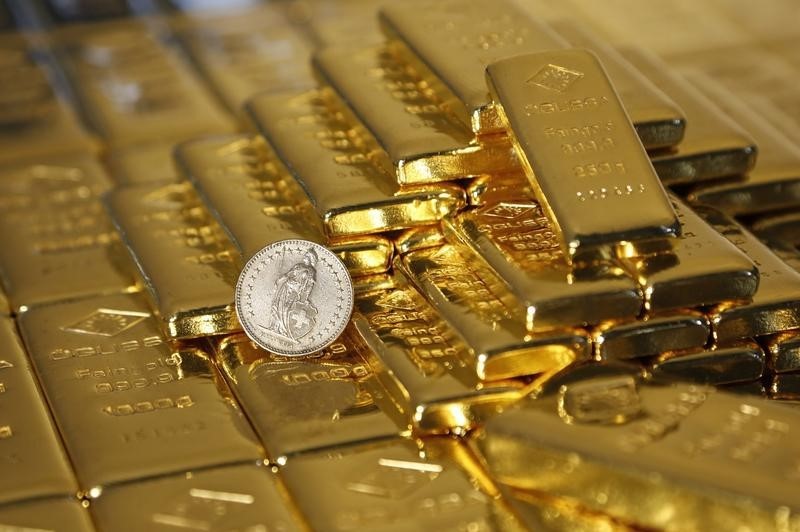
Spot gold fell 0.6% to $4,186.99/oz and is set for a weekly loss of more than 3%, while U.S. gold futures for December rose 2.2% to $4,206.80 on renewed hopes for a U.S.-Iran peace deal. The move reflects a mix of easing geopolitical risk and tighter Fed expectations, with traders pricing roughly a 60% chance of a rate hike by December after May producer prices posted the largest annual increase in three-and-a-half years. Oil sold off and equities rallied on the peace headlines, underscoring broader cross-asset sensitivity to the Iran negotiations.
The market is treating this as a two-factor regime shift: a possible reduction in geopolitical risk premium and a renewed hike-risk repricing. That combination is hostile to duration-sensitive hard assets because it removes the fear bid while raising real-rate drag, so the first-order loser is not just gold but the entire “store of value” basket that had been crowded into as a macro hedge.
The bigger second-order effect is cross-asset rotation. If diplomacy meaningfully lowers tail risk in the Strait of Hormuz, energy volatility should compress faster than spot oil falls, which tends to hurt oil producers more than consumers benefit in the near term. That matters because equity markets often over-earn the peace dividend in the first 24-72 hours, then fade once traders realize lower oil is also a signal of softer inflation impulse and potentially tighter Fed policy remaining intact.
The setup is fragile because the catalyst is binary and credibility is low; a failure to produce a signed agreement by the weekend would likely trigger a violent snapback in gold and crude, especially given how quickly positioning has adjusted. Over the next 1-4 weeks, the more durable driver is still policy expectations: if rates price higher into month-end, bullion can stay heavy even if Middle East headlines stabilize. That suggests the best risk/reward is not chasing outright short gold here, but expressing relative-value views where Fed sensitivity dominates geopolitics.
Consensus may be underestimating how much of gold’s drawdown is mechanical rather than fundamental. Once momentum and CTA selling exhaust, the market can stabilize even if macro headwinds persist, so the downside from here may be slower than the headline tape suggests. In contrast, silver’s industrial linkage and platinum’s supply-tightness make them less clean hedges and more idiosyncratic trades, which argues for selective rather than broad precious-metals positioning.
AI-powered research, real-time alerts, and portfolio analytics for institutional investors.
Request DemoOverall Sentiment
mildly negative
Sentiment Score
-0.20
