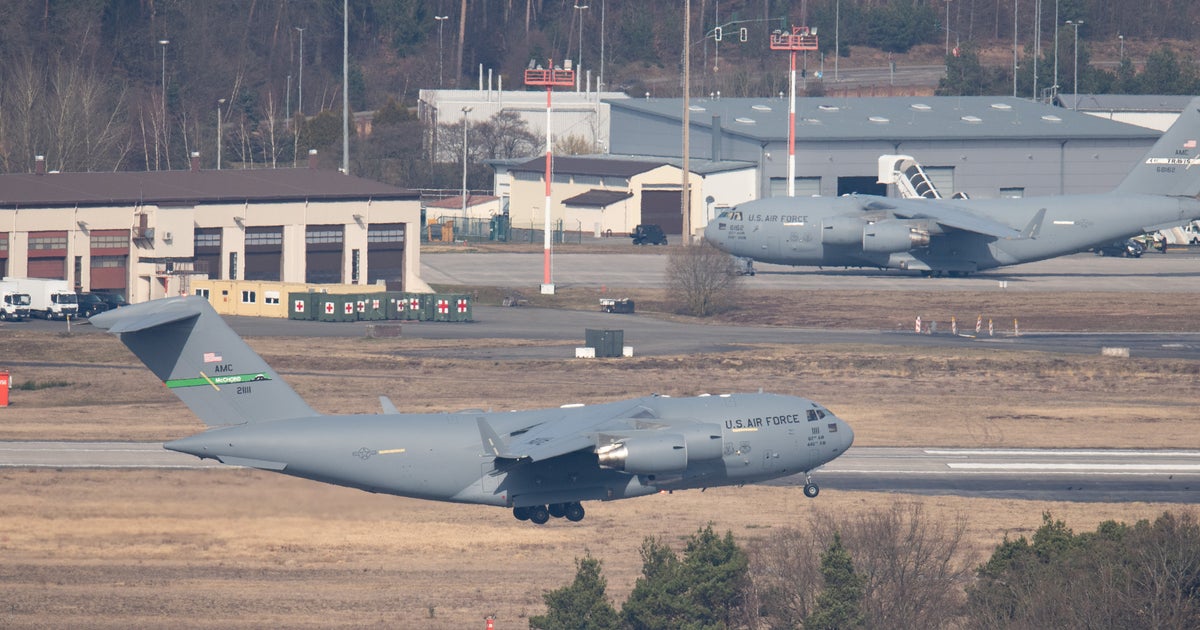
The Pentagon plans to withdraw about 5,000 U.S. troops from Germany, signaling heightened U.S.-Europe tensions amid the Iran war. The move could affect defense posture in Europe and reinforces pressure on NATO allies, though it does not impact medical transport to Landstuhl or the broader U.S. troop presence of more than 36,000 active-duty personnel in Germany. Markets may view this as a geopolitical escalation with implications for defense and energy risk premia.
This is less about the absolute troop count than about signaling that Europe’s security umbrella is becoming conditional and transactional. The immediate market read should be a modest risk-premium widening in European defense, logistics, and energy-transition names: if U.S. deterrence looks less reliable, continental governments are pushed toward faster procurement, higher inventory buffers, and more domestic basing/infrastructure spend over the next 12-24 months.
The second-order effect is on operational redundancy. Germany is not just a troop host; it is a command, medical, and transit node. Any reduction there increases the value of alternative hubs in Poland, the Baltics, Italy, and the UK, while also raising the odds of accelerated spending on airlift, munitions storage, hardened communications, and base security. That is supportive for suppliers with European exposure, but the beneficiaries will lag until budgets are formalized, so the cleaner catalyst is procurement guidance and supplemental defense appropriations rather than the announcement itself.
Energy is the cleaner near-term trade because the political message aligns with a broader escalation path: allies face higher uncertainty around force protection and shipping corridors, which keeps a bid under European gas and diesel cracks even if the move is small militarily. The contrarian view is that the market may overestimate the strategic importance of a 5,000-troop reduction in isolation; if the White House is merely shifting units to the Indo-Pacific, the net change in U.S. military capacity is limited. The real risk is not the drawdown itself but whether it triggers a tit-for-tat that delays NATO spending commitments or fractures coordination on sanctions and air defense procurement.
AI-powered research, real-time alerts, and portfolio analytics for institutional investors.
Request DemoOverall Sentiment
moderately negative
Sentiment Score
-0.20
