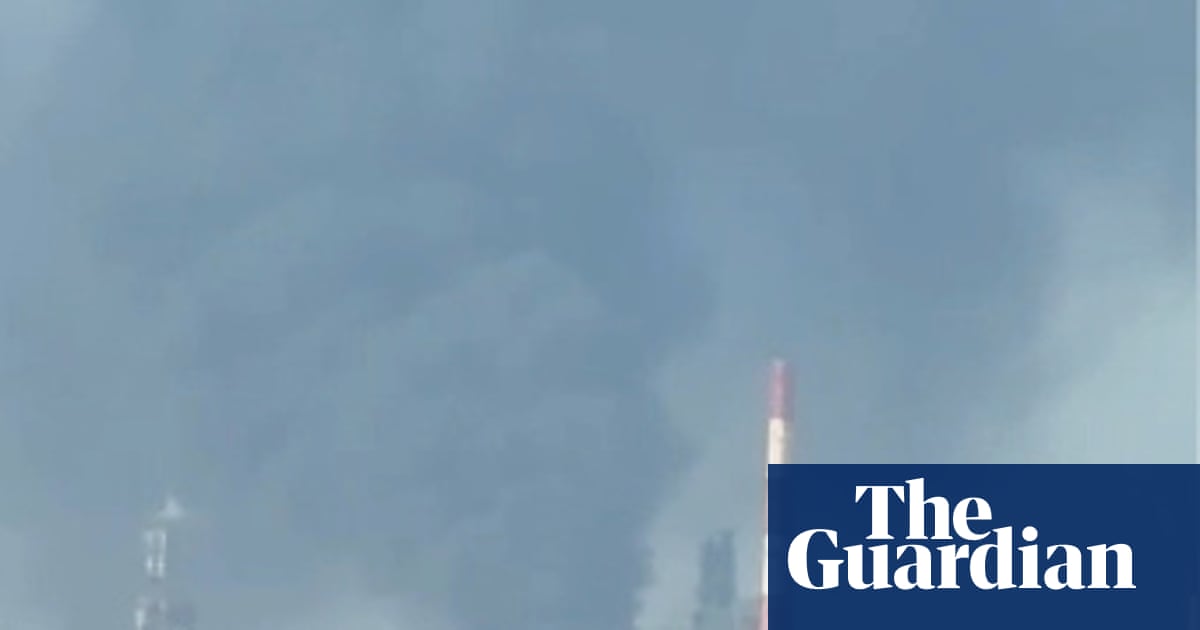
Ukrainian drones reportedly hit the Syzran oil refinery more than 800km inside Russia, with Zelenskyy saying strikes on Russian oil infrastructure are continuing as planned. The article also notes Russia and Belarus completed joint nuclear drills, while the EU court ruled that assets linked indirectly to sanctioned Russians can still be frozen. The news is negative for Russian energy infrastructure and highlights ongoing wartime escalation, with broader implications for oil revenues and sanctions enforcement.
The market is still underestimating how asymmetric sustained refinery disruption is for Russia: crude can be diverted more easily than refined products, so repeated hits at processing nodes tighten the domestic fuels market faster than the export market. That creates a second-order political problem for Moscow—higher internal diesel and gasoline prices, more visible logistics friction, and a growing need to prioritize civilian supply over military transport. For energy traders, the immediate edge is not a broad oil-price spike but a widening in regional product cracks and a higher probability of episodic diesel tightness into summer driving/agriculture demand.
The more interesting macro read is that Ukraine’s campaign is now targeting the conversion layer of Russia’s energy complex, not just barrels in the ground. That is harder to offset with simple rerouting and forces capital-intensive repairs, insurance friction, and longer downtime than many expect. If these strikes persist for several weeks, the knock-on effect is likely stronger for European refiners and product merchants than for upstream producers, because cleaner product arbitrage windows can open while Russian export reliability deteriorates.
The battlefield note matters for markets because it suggests Ukrainian strike effectiveness is feeding directly into operational constraints on Russian forces. If Russian drone guidance is impaired and frontline initiative continues to shift, the next trade is not merely higher defense spending expectations but a re-rating of European defense supply chains with shorter procurement cycles and better order visibility. The contrarian risk is a political stopgap: if Russia responds by suppressing domestic fuel demand, importing products, or accelerating repairs, the supply shock may remain manageable and the trade becomes a tactical event rather than a structural one.
The EU sanctions ruling is a quiet but important regime shift: it lowers the legal friction around freezing complex ownership structures, which should raise compliance costs and reduce the utility of trust-based asset shielding. Over months, that broadens the effective sanctions perimeter and increases the probability of more aggressive asset seizures in Europe, which is bullish for sanctions enforcement firms, compliance software, and select European legal/financial intermediaries, while raising headline risk for any Russia-linked asset holders.
AI-powered research, real-time alerts, and portfolio analytics for institutional investors.
Request DemoOverall Sentiment
mildly negative
Sentiment Score
-0.25
