

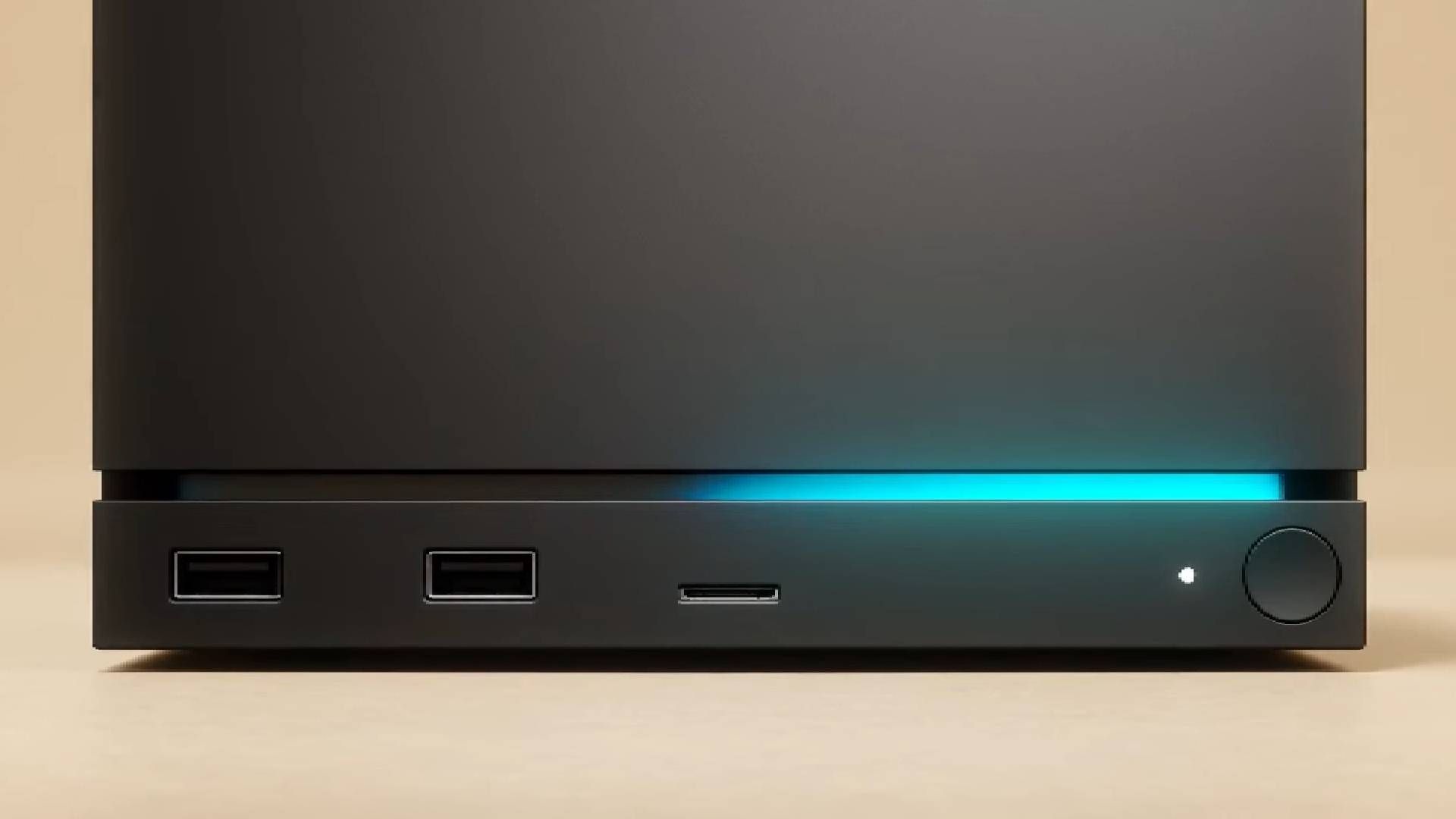
The article discusses rumors that Sony may launch three PS6-related devices in 2027, with pricing reportedly ranging from $350 to $1,000 across a budget console, main console, and handheld. It frames the next generation as an ecosystem battle versus Microsoft's Project Helix and Valve's Steam Machine, but provides no confirmed product details or financial disclosures. Market impact is limited because the piece is speculative and centered on unverified leaks rather than concrete announcements.
The market takeaway is less about the rumored device count and more about a strategic migration from one-time hardware economics to recurring platform economics. If Sony and Microsoft both lean harder into multi-device ecosystems, the real P&L swing shifts toward storefront take rates, subscription attach, and first-party software monetization — which structurally favors whoever controls the widest installed base and the stickiest library. That makes the near-term read-through for SONY and MSFT negative on console-margin optics, but potentially positive for longer-dated engagement if pricing broadens the addressable market.
The bigger second-order issue is channel displacement: a lower-price console/handheld stack can pull demand forward, but it also risks cannibalizing premium box sales and compressing hardware gross margin just as component inflation remains sticky. In that environment, the winners may be the ecosystem toll collectors and the component suppliers with pricing power, while traditional console-only economics get squeezed. The handheld angle also raises the odds of a larger shift from television-centric play to portable or hybrid sessions, which tends to increase session frequency but lower average monetization per session unless digital spend and subscriptions offset it.
Contrarianly, the consensus may be overestimating how quickly consumers abandon incumbent libraries and underestimating the friction of fragmentation across devices. If the rumored launch timing slips even modestly, the equity reaction could reverse because this is a long-dated narrative with limited 2025-26 earnings impact. The more actionable risk is that any spec-driven rally in hardware names fades once investors focus on BOM costs, launch subsidies, and the probability that premium pricing still caps adoption in a weak consumer backdrop.
For Microsoft, the key question is whether a Windows-like living-room strategy creates incremental monetization or simply shifts hardware subsidies from one box to another. For Sony, a broader device family can deepen lock-in, but only if it avoids margin dilution and maintains software attachment rates above historical levels. In both cases, the setup is more interesting for relative positioning than outright beta.
AI-powered research, real-time alerts, and portfolio analytics for institutional investors.
Request TrialOverall Sentiment
neutral
Sentiment Score
0.05
Ticker Sentiment
