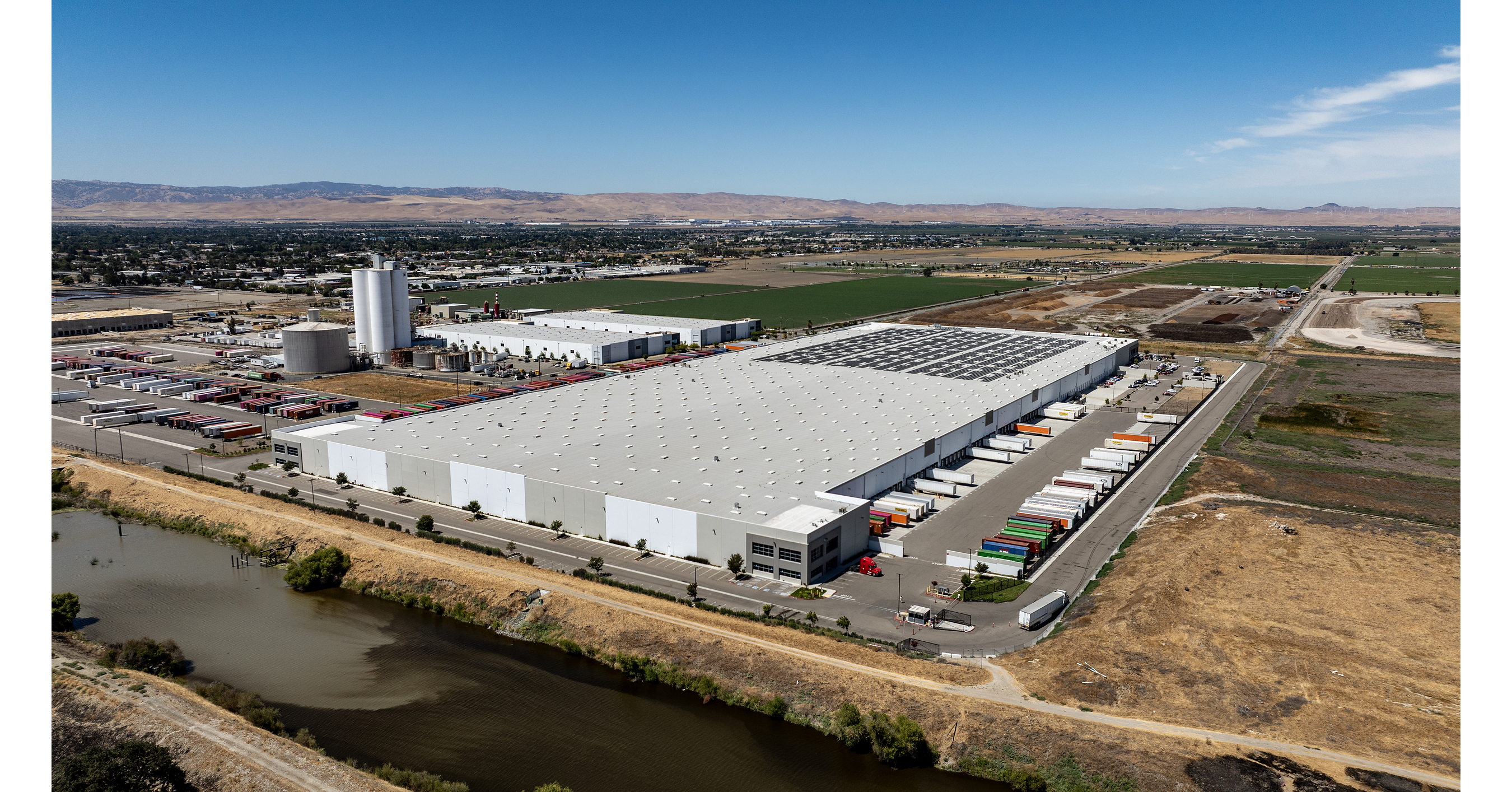
Medline (MDLN) leased a 925,000-sq-ft Tracy, CA warehouse for immediate occupancy and will add a 709,000-sq-ft Stockton, CA facility opening in January 2027, totaling 1.6M+ sq ft of new medical supplies distribution capacity. The expansion replaces a 1.0M-sq-ft Tracy site destroyed by fire (June 11) and increases its customer-facing Northern California footprint by 45% from one month ago. Management expects the new facilities to support deliveries from Medline’s network/MedTrans fleet and eventually incorporate AI-powered technologies.
The immediate equity question is not whether capacity comes back, but whether customers had time to re-source away from the incumbent. In medical-surgical distribution, that switching friction is high; a fast restoration reduces the odds of durable share leakage and makes this look more like a contained operational interruption than a secular demand shock. Insurance should largely neutralize the asset-loss leg, so the real financial variable is customer retention and route density, not the building itself.
The second-order effect is on the public comp set: smaller regional distributors are most exposed if the rebuilt network is used to reprice service levels across Northern California, while larger national players face a softer competitive read-through. The near-term risk is margin noise from duplicate rent, re-routing, labor inefficiency, and temporary underutilization; that can press EBITDA for 1-2 quarters even if revenue normalizes. The longer-term bull case is that the rebuilt footprint is actually a network upgrade, which can lower delivery cost per stop and strengthen bid competitiveness into mid-2027.
Contrarian view: the market may be too focused on restoration and not enough on the fact that this is a footprint expansion embedded in a crisis response. If the new facilities ramp cleanly, the company could emerge with a denser West Coast network and better service economics than before the fire. That thesis is falsified if hospital commentary shows backorders or lost service levels persisting into the next two reporting cycles, which would imply the transition costs are larger than management is signaling.
AI-powered research, real-time alerts, and portfolio analytics for institutional investors.
Request DemoOverall Sentiment
mildly positive
Sentiment Score
0.35
Ticker Sentiment
