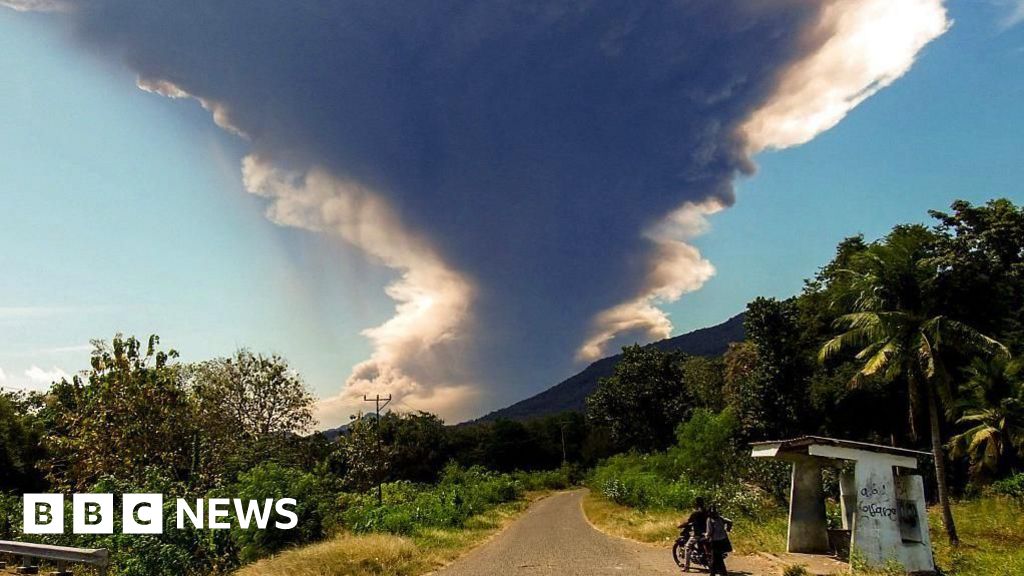
Indonesia's Mount Lewotobi Laki-laki has erupted again, emitting ash clouds up to 18km high and prompting the highest alert level, leading to the evacuation of over 4,000 residents. The event caused the cancellation of at least 24 flights to/from Bali and expanded the exclusion zone to 7km, with authorities warning of potential lahar floods. While no casualties are reported, the ongoing activity underscores the persistent natural disaster risks in the region, impacting aviation, tourism, and local infrastructure, following a deadly eruption last November.
The renewed eruption of Indonesia's Mount Lewotobi Laki-laki, which propelled an ash cloud 18km high, has escalated local disruption and introduced tangible, albeit contained, economic impacts. Authorities have elevated the situation to the highest alert level and expanded the exclusion zone to a 7km radius, resulting in the evacuation of over 4,000 people. The most immediate financial consequence has been within the aviation and tourism sectors, evidenced by the cancellation of at least 24 flights to and from the critical tourist hub of Bali. While the broader market impact is currently assessed as low (score of 0.3), the event highlights persistent operational risks. Authorities have issued warnings for potential lahar floods, which could damage local infrastructure, and secondary public health crises are emerging due to shortages of clean water and supplies. This eruption, following a deadly event in November, serves as a stark reminder of the recurring natural disaster risk inherent to the region, with potential to affect supply chains, tourism revenue, and local economies with little warning.
AI-powered research, real-time alerts, and portfolio analytics for institutional investors.
Overall Sentiment
strongly negative
Sentiment Score
-0.75
