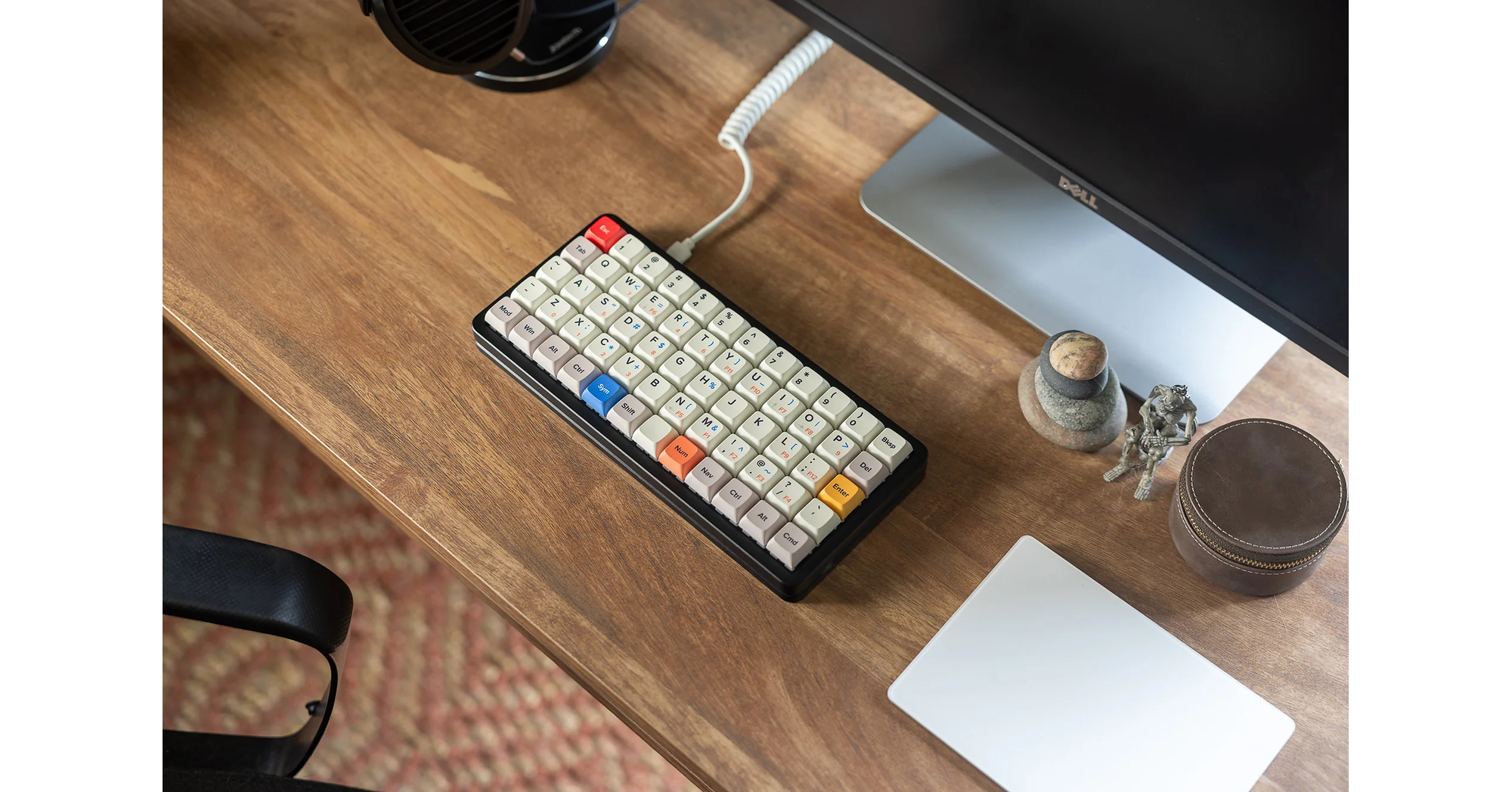
Apos launched the Preonic Rev 4, the largest update in years to its ortholinear custom keyboard platform. The redesign centers on a new four-layer hotswap PCB with an RP2040 microcontroller, adding SWD breakout pads, improved ESD protection, and support for universal USB daughterboards. The Rev 4 also expands customization with support for up to ten rotary encoder positions, full per-key RGB plus underglow, and flexible physical grid configurations, which should be incremental positive for the niche custom keyboard ecosystem rather than move broader markets.
This is better read as a lifecycle extension event than a standalone growth catalyst. In niche enthusiast hardware, refreshes like this mostly monetize the installed base through upgrades, spare parts, and higher attach per unit, which helps small direct-to-consumer brands and component suppliers more than it moves the top line of any public company. The real economic effect is on ecosystem health: if the platform remains relevant, it keeps users inside the open-source firmware and custom-parts stack, which is a moat for the category even when unit volumes are modest.
The second-order risk for incumbents is less competition and more expectation drift. A higher-spec reference design raises the bar for adjacent makers, which can compress pricing for older kits and reduce the sell-through of legacy inventory over the next 1-2 quarters. But the launch also reinforces the aftermarket: switches, encoders, keycaps, cases, and mod accessories can see incremental demand as users treat the board as a modular system rather than a finished product.
The contrarian takeaway is that the market may overestimate the breadth of the trend. This is still a hobbyist niche, so the 1-3 month catalyst is mostly social proof and community response, while the 6-18 month payoff depends on sustained creator adoption and whether this becomes a template other brands copy. If adoption stalls after initial enthusiasm, the thesis reverses quickly: the category remains fragmented, and premium pricing power decays back to its usual low-volume equilibrium.
AI-powered research, real-time alerts, and portfolio analytics for institutional investors.
Overall Sentiment
mildly positive
Sentiment Score
0.18
