
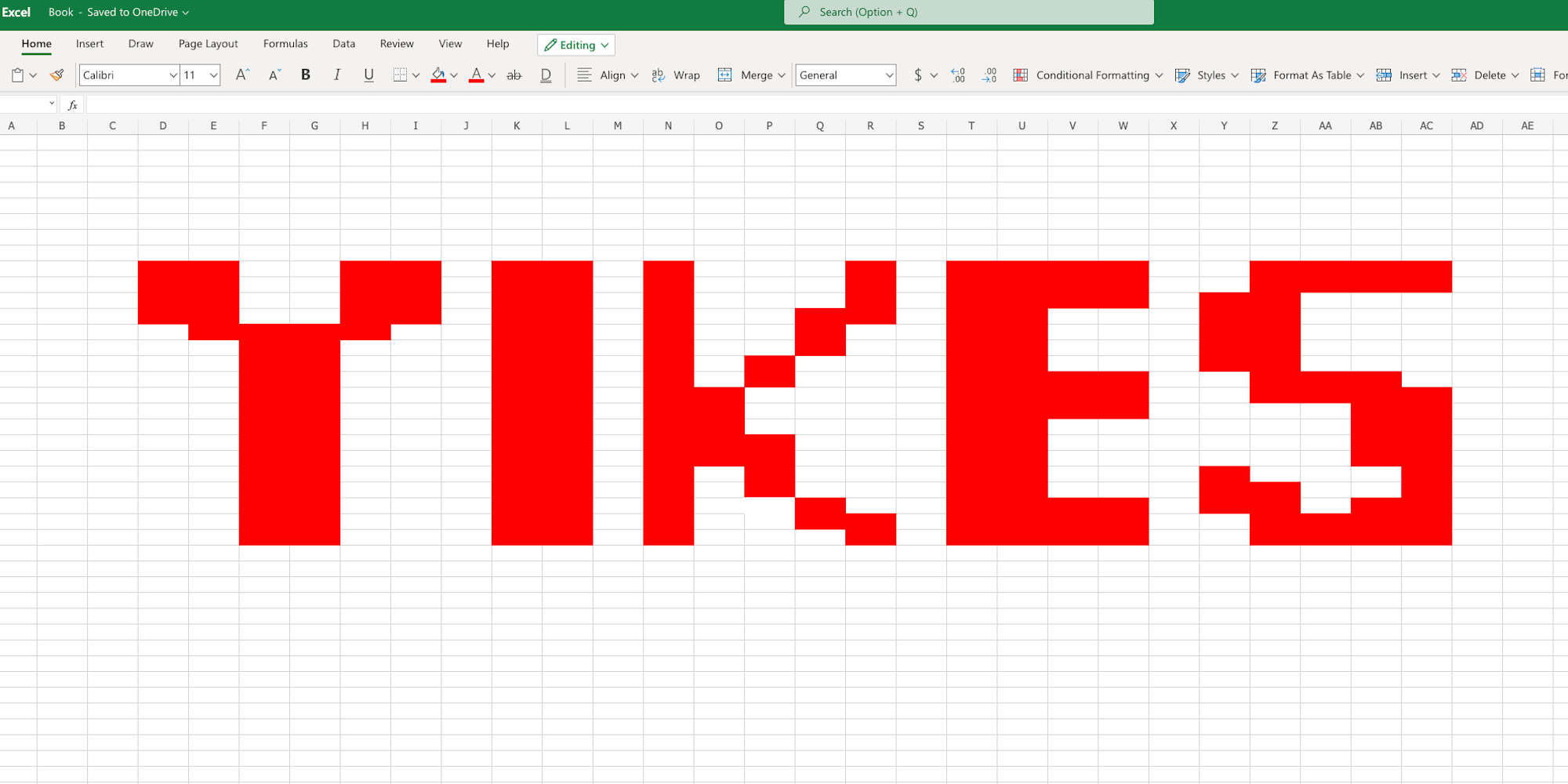
CISA added a 17-year-old Excel vulnerability, CVE-2009-0238, to its Known Exploited Vulnerability catalog after confirming active attacks, giving U.S. federal civilian agencies a two-week remediation deadline. Microsoft also disclosed that CVE-2026-32201, a SharePoint Server spoofing flaw, was exploited as a zero-day and patched in this week's 165-fix update. The article highlights ongoing real-world abuse of legacy and newly disclosed enterprise software flaws, increasing near-term security risk for affected organizations.
The immediate market read-through for MSFT is not revenue risk but operational risk: this is another reminder that enterprise software embedded in legacy workflows remains a durable attack surface, and Microsoft inherits the blame even when the exploit chain is driven by customer behavior. The second-order issue is that old-file-format compatibility and long-tail support assets create a permanent tail risk that keeps security budgets elevated across the ecosystem, which is structurally favorable for endpoint, email, and identity vendors rather than for the core productivity suite itself.
The more important catalyst is reputational, not financial. A KEV-listing signals to procurement teams and regulators that patch latency is now a governance issue, so expect accelerated review cycles for Office/SharePoint hardening, more security add-ons in enterprise contracts, and higher scrutiny on Microsoft 365 dependency concentration over the next 1-3 quarters. That should modestly support adjacent security spend, but it also reinforces the narrative that Microsoft’s scale makes it a magnet for zero-day headlines, which can cap multiple expansion when tech sentiment is fragile.
The SharePoint angle matters because spoofing and trust-manipulation are especially suited to phishing and internal fraud campaigns. That raises the odds of downstream incidents that are harder to quantify than direct RCE losses and can widen the blast radius into legal, compliance, and insurance claims. In practice, the near-term risk is not the bug itself but the speed with which adversaries weaponize it against organizations that lag patching by even one cycle.
AI-powered research, real-time alerts, and portfolio analytics for institutional investors.
Request TrialOverall Sentiment
mildly negative
Sentiment Score
-0.35
Ticker Sentiment
