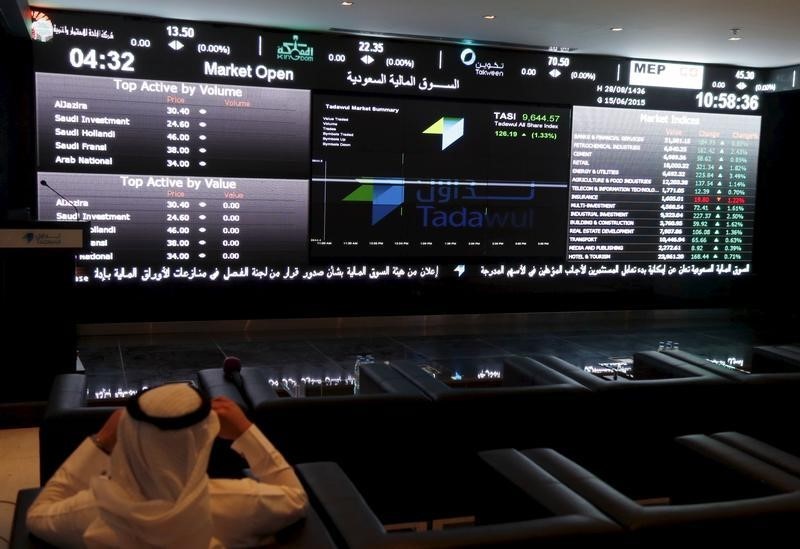
China and the US agreed to reduce tariffs on some goods, a modestly supportive development for trade relations and supply chains. The broader market context was mixed: Saudi Arabia's Tadawul All Share fell 0.25%, while crude rose 4.20% to $101.02 a barrel and Brent gained 3.35% to $109.26. USD/SAR was unchanged at 3.75 and EUR/SAR slipped 0.39% to 4.36.
A tariff rollback is less a broad “risk-on” signal than a targeted margin reset for the most tariff-exposed import chains. The second-order winners are the firms with the highest inventory turnover and lowest ability to pass through cost inflation: Asian exporters into US retail, industrial intermediates, and consumer-electronics assemblers. The first-order equity move may be in transport, logistics, and discretionary import names, but the larger setup is in suppliers one or two links up the chain that regain volume before end-demand visibly improves.
The market is likely underpricing how quickly tariff relief can reflate working-capital cycles. Lower duties can compress landed cost and release cash tied up in inventory, which tends to show up in gross margin and free-cash-flow beats before revenue growth accelerates; that effect is most visible over the next 1-2 quarters. The risk is that the policy headline is used as a negotiating tool rather than a durable regime shift, which would cap multiple expansion and create a sharp mean-reversion trade if trade headlines deteriorate again within days or weeks.
Commodity signals are inconsistent with a clean pro-growth impulse: stronger oil and weaker gold suggest a mix of supply/geo and positioning rather than conviction about demand. That matters because if tariff relief is interpreted as growth-positive, cyclicals can run on multiple expansion even without earnings revisions, but that trade is fragile if rates or energy keep tightening financial conditions. The more attractive expression is selective rather than beta-wide: names with direct tariff pass-through benefit and limited commodity-input exposure should outperform broad market cyclicals.
The consensus is likely too focused on the headline bilateral détente and not enough on dispersion. Companies with pricing power may actually underperform the low-quality importers here, because they lose the inflation excuse and may see volume migrate to cheaper competitors. In that sense, this is not a generic rally catalyst; it is a relative-value event that rewards the weakest pass-through businesses and penalizes firms that previously benefited from tariff-driven scarcity pricing.
AI-powered research, real-time alerts, and portfolio analytics for institutional investors.
Request DemoOverall Sentiment
neutral
Sentiment Score
0.15
