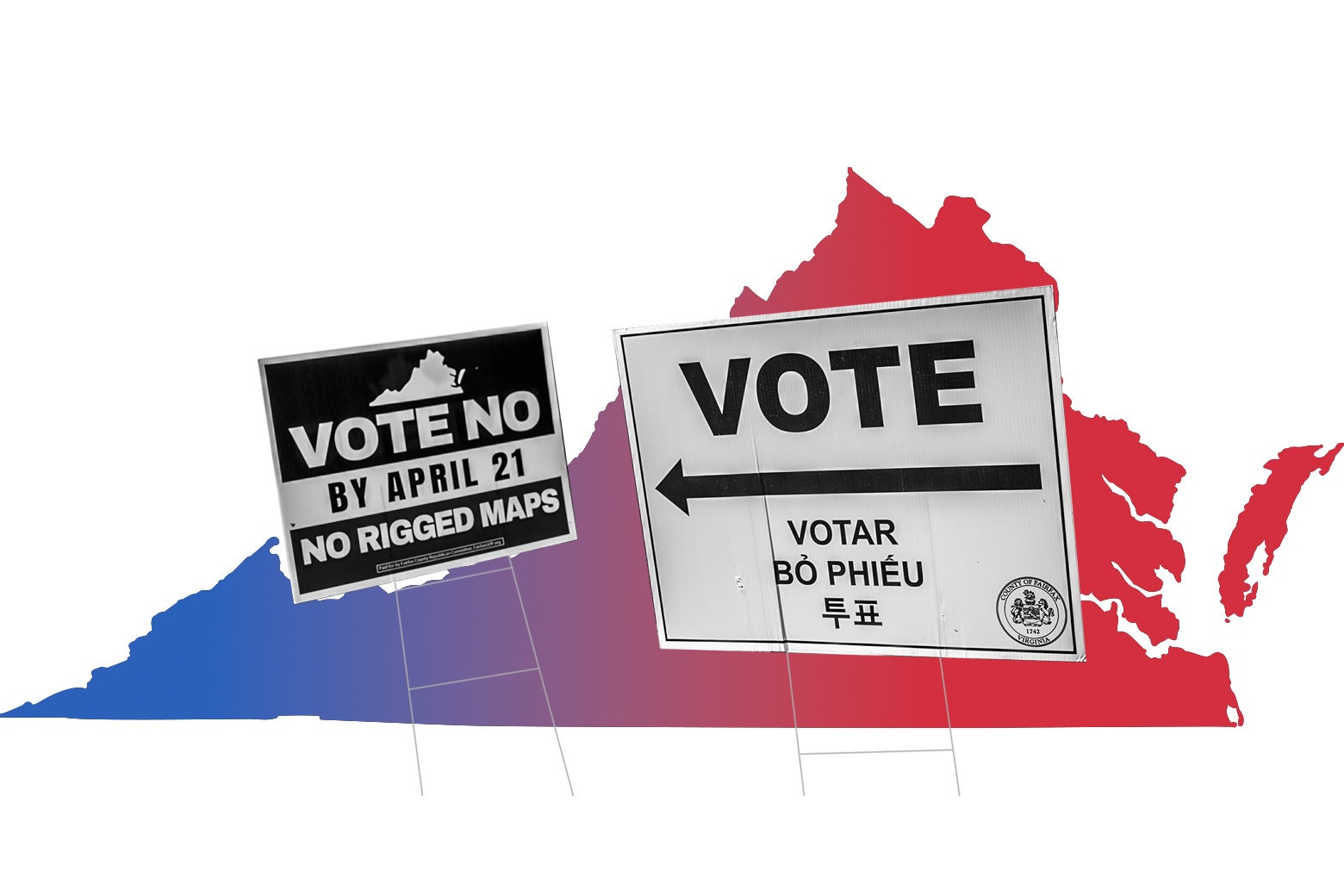
The article argues that Democrats suffered a major setback in the redistricting wars after Florida advanced a GOP-friendly map, the Supreme Court weakened minority-seat protections in Louisiana v. Callais, and the Virginia Supreme Court struck down a redistricting referendum, leaving Virginia’s 6-5 congressional split in place. It also highlights a possible $1 billion taxpayer-funded security cost tied to Trump’s ballroom project and broader concerns that structural political advantages are outweighing public opinion. The rest of the piece is a political roundup on Marco Rubio, John Roberts, Susan Collins, Xavier Becerra, and Spencer Pratt, with no direct market-moving financial data.
The near-term market implication is not directionally obvious on headline politics, but structurally it favors incumbency and capital discipline over policy volatility. If congressional maps harden before the next cycle, the expected value of a generic “change” trade falls: budget outcomes, regulatory posture, and agency leadership become more path-dependent and less sensitive to public polling. That is typically a headwind for sectors that trade on political reversal risk—utilities, defense procurement, healthcare reimbursement, and higher-duration renewables—because the market must now price a longer runway for the current policy regime.
The more interesting second-order effect is on Washington’s fiscal arithmetic. A party-line bill that blends security, symbolism, and discretionary spending raises the odds of later offsets, rescissions fights, or shutdown brinkmanship, which compresses visibility for contractors and increases headline gamma around funding dates. In that environment, the cheapest hedges are not broad index shorts but event-driven vol in names exposed to government spending optics and appropriations timing; the market tends to underprice how quickly “non-security” language gets litigated into cost overruns or delayed procurement.
On the political-chain side, the evolving 2028 signaling from senior cabinet-level officials matters less for the nomination itself than for personnel churn risk in the next 12 months. As would-be successors begin campaigning in plain sight, the probability rises that critical agencies become less about execution and more about positioning, which can slow decision-making on tariffs, export controls, and enforcement priorities. That is mildly bearish for sectors reliant on stable administrative throughput—defense primes, border-tech vendors, and regulated financials—but the bigger point is timing: the real tradable impact arrives only if this signaling triggers visible personnel changes or policy reversals by late 2026.
AI-powered research, real-time alerts, and portfolio analytics for institutional investors.
Request DemoOverall Sentiment
mildly negative
Sentiment Score
-0.20
