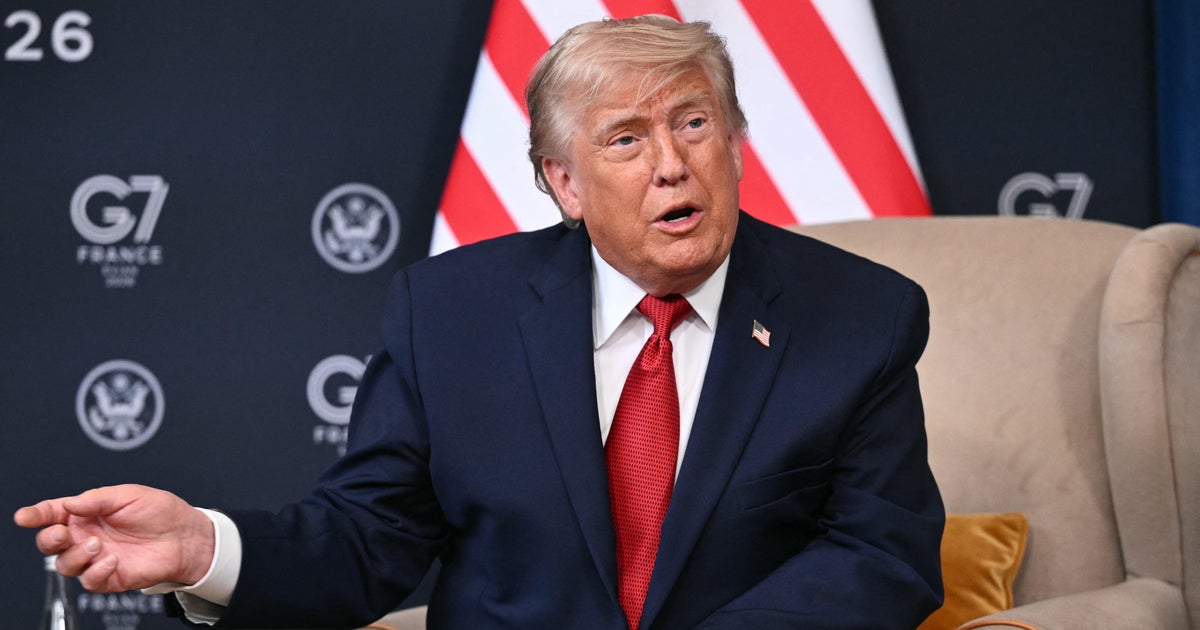
The U.S. and Iran signed a 14-point memorandum of understanding that immediately implements a 60-day ceasefire framework, reopens the Strait of Hormuz, and allows Iran to resume oil exports, with the full text due Friday at the latest. Brent crude fell 1.6% to $78.31 and U.S. crude slipped 1.7% to $74.75, while Asian equities rallied, with Japan's Nikkei 225 up 1.9% to 71,233.35 and South Korea's market up 0.6% to 8,917.31. The deal remains provisional, and Trump said the U.S. could resume bombing if Iran does not 'behave,' leaving major uncertainty around the nuclear program and Lebanon.
The first-order trade is lower geopolitical risk premia, but the second-order effect is a forced unwind of the most crowded war-risk hedges: oil volatility, defense momentum, and select inflation hedges. The biggest near-term beneficiary is not crude itself but the “risk-on” complex that had been capped by energy shock fears—rates-sensitive growth, Asian exporters, and airlines/rates proxies should continue to catch a bid if shipping normalizes faster than the market expects. The key nuance is that this is a credibility trade, not a completed peace dividend; if vessel traffic stays thin for another 1-2 weeks, the market will start discounting implementation risk rather than headline relief.
Energy is the cleanest expression of the unwind, but the move is likely more about realized volatility than a straight-line collapse in Brent. If the Strait reopens smoothly, prompt crude can mean-revert quickly, yet medium-term downside is limited by the fact that inventories have already been dislocated and producers will likely slow any aggressive normalization until they see sustained safe passage. The better short is not outright oil but the logistics premium embedded in tanker rates, marine insurance, and Gulf-linked shipping names that benefitted from rerouting and scarcity pricing.
Defense and Israeli-exposure assets face a more nuanced response: the market may initially assume a reduction in escalation intensity, but the persistence of localized strikes means regional-risk assets will likely trade on implementation headlines rather than the memorandum itself. That creates a classic fade setup in defense contractors if the market over-weights a durable peace dividend before verification on missile/nuclear constraints. The contrarian miss is that the agreement could be inflation-negative faster than it is growth-positive, pushing rates lower even as equities rally, which favors duration over cyclicals if the ceasefire holds.
The main tail risk is asymmetric: a single high-profile violation, tanker seizure, or Israeli/Lebanese flare-up could reprice oil and volatility violently because positioning is now leaning toward de-escalation. The relevant horizon is days to weeks for shipping confirmation and 60 days for the negotiation clock; if the text reveals weak enforcement or vague sanctions relief, today’s rally in risk assets should partially retrace. In that scenario, the market will likely rotate from ‘peace dividend’ to ‘false dawn’ within one headline cycle.
AI-powered research, real-time alerts, and portfolio analytics for institutional investors.
Request DemoOverall Sentiment
moderately positive
Sentiment Score
0.35
