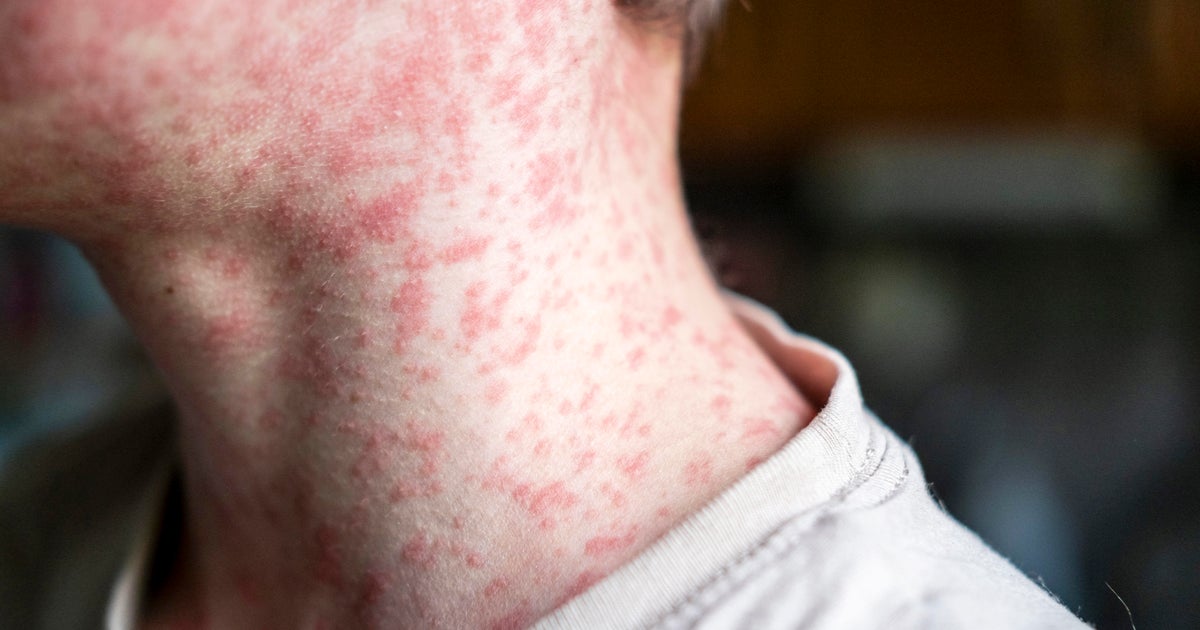
Minnesota's measles cases doubled over the past week to 10 reported this year (up from five on Feb. 19), with five recent cases in the Twin Cities and at least four linked; all exposures were domestic. The CDC reported 982 measles cases nationwide as of Feb. 19 in 2026, with 38 hospitalizations and no deaths, and 94% of infections among the unvaccinated or with unknown status; declining kindergarten MMR coverage (95.2% in 2019-20 to 92.7% in 2023-24) is cited as a driver. While this raises public-health and localized healthcare strain risks, it is unlikely to have material market implications at present.
Market structure: A modest rise in measles favors incumbent vaccine producer Merck (MMR vaccine franchise), retail vaccinators (CVS, WBA) and diagnostic labs (DGX, LH) via volume gains rather than pricing power — expect revenue bumps of low double-digit percentages for point-of-care vaccination sites over 1–3 months but limited margin expansion because MMR is low-priced, high-volume. Supply is inelastic (manufacturing constrained by live-attenuated production and cold chain) so short, localized stockouts are possible; broader national supply disruptions are unlikely absent regulatory action.
Risk assessment: Tail risks include a large outbreak triggering federal emergency declarations or school-entry mandate changes (plausible probability 2–10% over 6–12 months) which would materially increase vaccine demand and regulatory scrutiny. Immediate (days–weeks) effects are localized; short-term (1–3 months) depends on CDC weekly trajectory (watch for sustained week-over-week >50% increases), long-term (quarters) hinges on whether state immunization rates reverse the 2019–2024 decline trend.
Trade implications: Tactical trades: small-cap exposure to outbreak news is high-volatility — prefer large-cap, liquid names: buy Merck (MRK) and short-duration call spreads on MRK to leverage policy upside (3–6 month expiries). Add small, tactical long positions in CVS and WBA for administration throughput and in DGX/LH for testing, each sized 0.5–2% of portfolio and reevaluate at 3 months based on CDC case thresholds.
Contrarian angles: Consensus likely underestimates policy response speed; markets often underreact to public-health tailwinds for commoditized vaccines, creating a mispricing window — MRK and DGX could re-rate if CDC national cases breach ~2,000 in 30 days or hospitalizations rise >100. Conversely, if weekly U.S. cases plateau or vaccination uptake reverses by >2 percentage points in next school reporting cycle, short-term upside will fade and positions should be trimmed.
AI-powered research, real-time alerts, and portfolio analytics for institutional investors.
Request DemoOverall Sentiment
neutral
Sentiment Score
-0.10
