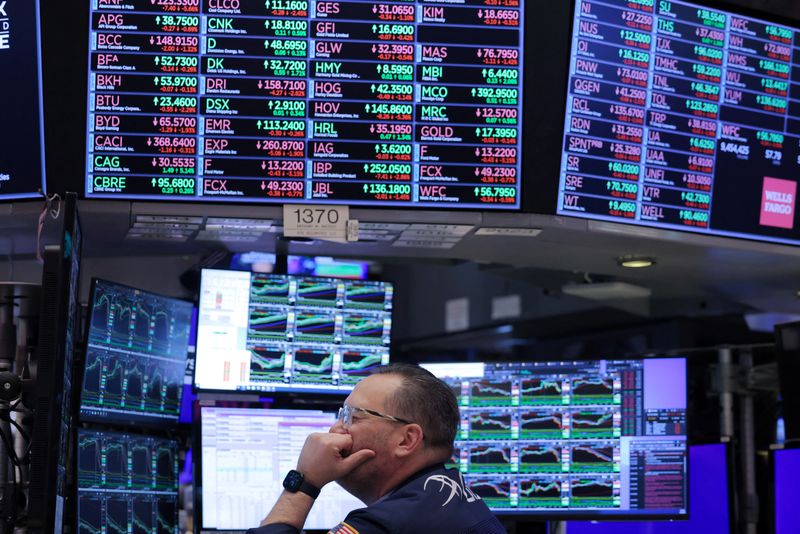
U.S. equities surged on news of a U.S.-Iran memorandum of understanding, with the S&P 500 up 1.7%, the Nasdaq Composite up 3.1%, and the Dow adding 0.9% as oil prices fell on easing geopolitical risk. The article also cites strong momentum in technology shares, including SpaceX closing nearly 20% higher in its second day of trading and SOX gaining 5.5%. Attention now shifts to Wednesday’s Fed meeting, where rates are widely expected to remain unchanged.
The market is pricing a classic three-factor relief rally: lower geopolitical tail risk, lower energy-cost pressure, and a cleaner liquidity backdrop into a central bank event. The important second-order effect is that a de-escalation in the Middle East is not just “good for stocks” — it acts like an implicit cut to the inflation impulse, which matters more for duration-sensitive equities than the direct boost from lower oil. That makes the rally internally consistent: megacap tech and semis should keep outperforming cyclicals as real-rate expectations soften and the market extends multiple expansion rather than earnings revisions.
The beneficiaries are broader than the headline index winners. Airlines, transports, chemicals, and consumer discretionary should see the fastest estimated margin relief from lower fuel and freight costs over the next 1-2 quarters, while oil producers and shale names face immediate beta compression even if spot crude stabilizes above pre-event levels. The reopening of a key shipping chokepoint also lowers embedded volatility in freight and inventory planning, which tends to help smaller-cap industrials and retailers more than the large-cap defensives the market rushes into on first pass.
The main risk is that this is a headline-driven unwind before policy and implementation risk are fully discounted. Peace processes in the region can fail on sequencing, enforcement, or proxy retaliation, and any reversal would hit the market through the two channels investors just rewarded: oil back up, inflation expectations up. The Fed is the near-term governor; if the committee sounds less dovish than the market hopes, the current equity move can compress quickly because it is being financed by lower risk premia rather than improving earnings fundamentals.
Consensus is likely underestimating how much of the rally is a short-vol trade in disguise. If geopolitical risk stays muted for several weeks, systematic and CTA buying can keep pushing index levels higher, but that also leaves positioning crowded and fragile into any disappointment. The cleanest way to think about this is that the market has purchased insurance in reverse: there is limited upside if peace holds, but meaningful downside if the deal is delayed or diluted and crude retraces sharply.
AI-powered research, real-time alerts, and portfolio analytics for institutional investors.
Request DemoOverall Sentiment
moderately positive
Sentiment Score
0.62
