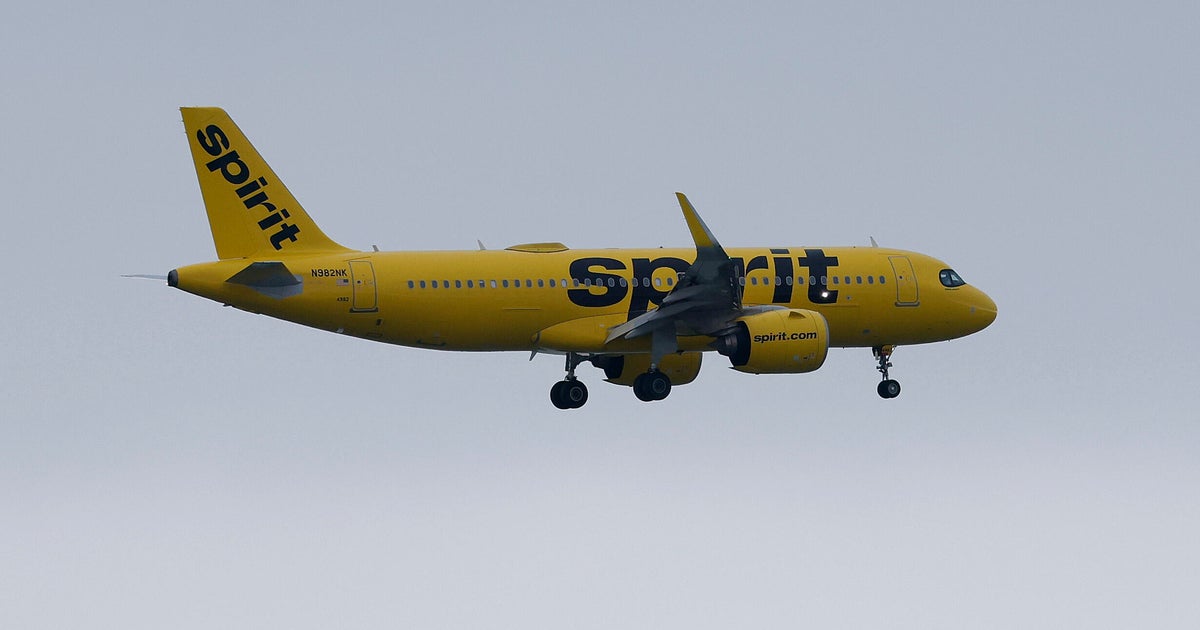
Spirit Airlines has ceased operations after a government bailout failed to materialize, ending overnight flights and leaving about 15,000 employees without jobs, including more than 2,000 pilots. The closure is a severe negative for the airline and its workforce, though the market impact is likely limited primarily to Spirit and its peers rather than the broader market. Other airlines are offering preferential interviews to displaced Spirit staff.
Spirit’s shutdown is less a one-off bankruptcy headline than a capacity shock that should incrementally improve pricing discipline across the weakest end of U.S. domestic leisure flying. Ultra-low-cost seats are the first layer to disappear in a downturn, but they are also the layer that most aggressively forces fare resets at the network carriers’ discount brands, so the margin benefit should show up first in secondary and leisure-heavy markets rather than immediately in top-line growth.
The bigger second-order effect is labor. Thousands of displaced pilots and mechanics create a near-term supply of qualified labor that can reduce wage inflation for the surviving carriers over the next 3-9 months, especially in tight crew bases in Florida, Texas, and the Southeast. That matters because the market tends to focus on lost seats, but the more durable P&L benefit for incumbents is lower cost per available seat mile from both higher pricing and softer wage pressure.
For American, the impact is modest but positive: it should capture some connectivity at Spirit’s strongest leisure airports, yet the real opportunity is in local share capture without needing to match Spirit’s old price points. The risk is that replacement capacity from Frontier, Southwest, or JetBlue arrives quickly enough to cap fare recovery; if that happens, this becomes a transient 1-2 quarter noise event rather than a lasting industry margin reset. A recessionary demand backdrop would also mute the benefit, since weaker carriers leaving the market can be offset by broader consumer pullback.
The contrarian view is that the market may overestimate how much “free” pricing power accrues to the survivors. Airlines have a long history of using capacity removals to defend load factors while immediately redeploying incremental flying into the same leisure corridors, which can compress the initial upside window to weeks rather than months. The key question is not whether fares rise, but whether the survivors can keep capacity growth disciplined after the first wave of share capture.
AI-powered research, real-time alerts, and portfolio analytics for institutional investors.
Request DemoOverall Sentiment
extremely negative
Sentiment Score
-0.85
Ticker Sentiment
