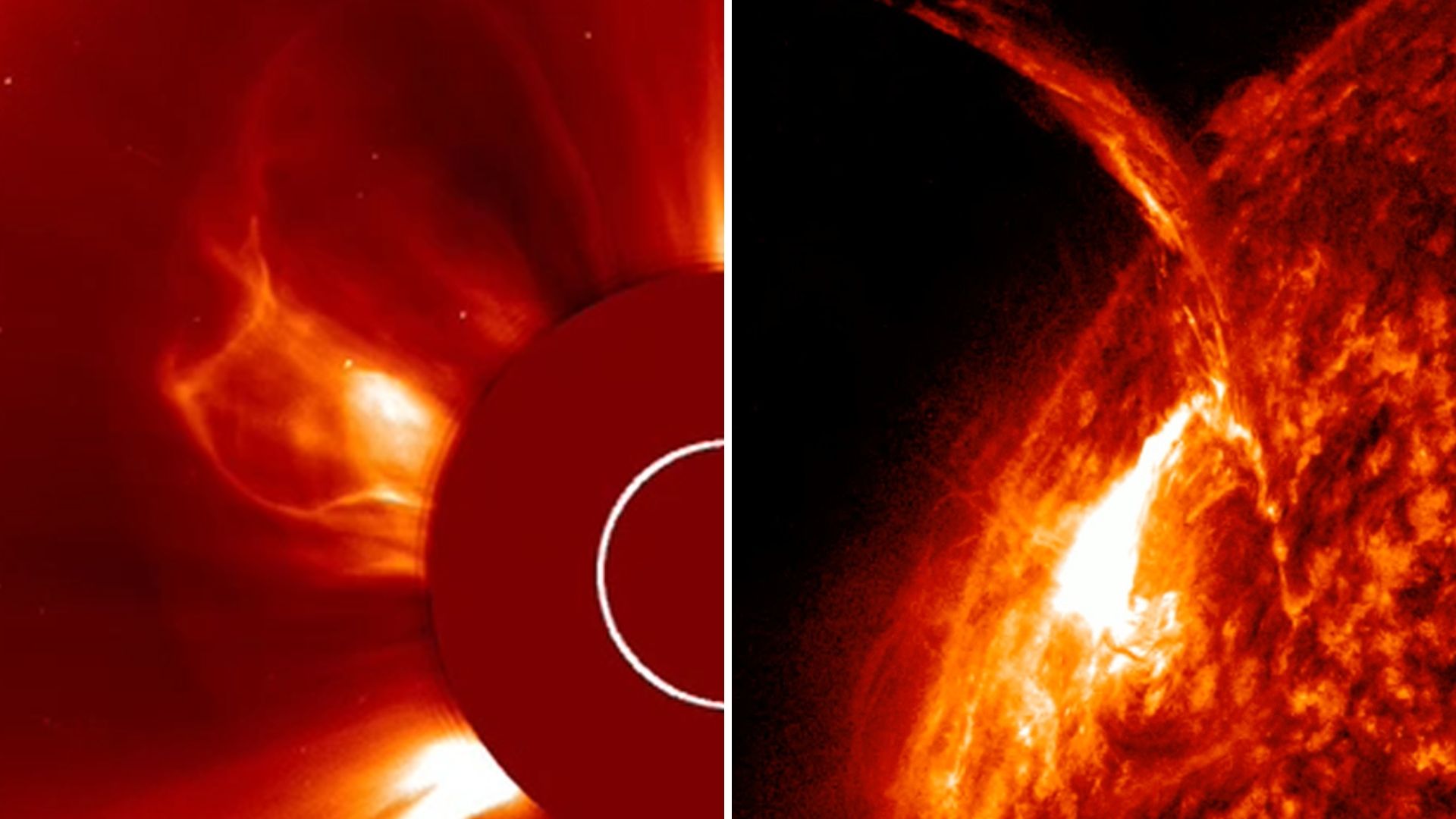
An M5.7 solar flare on May 10 triggered a radio blackout over the Atlantic and launched a coronal mass ejection that may graze Earth around May 13. Forecasters say the event could produce minor G1 geomagnetic storm conditions and enhance auroras across the northern U.S. and the U.K. Additional M-class and possibly X-class flares may follow as sunspots AR4436 and AR4432 evolve. The article is primarily a space-weather update with limited direct market impact, though it may interest traders in volatility-sensitive sectors.
The immediate market impact is not the aurora headline; it is the reminder that space-weather risk is a low-frequency, high-convexity outage catalyst for communications infrastructure. The most exposed second-order beneficiaries are firms with mission-critical redundancy, hardened timing/positioning systems, and satellite monitoring capability, because every credible flare event nudges enterprise and government buyers toward backup architectures. In contrast, airlines, high-frequency trading connectivity, and GNSS-dependent logistics face a short-window but real operational risk if geomagnetic disturbance ramps beyond current expectations.
The key issue is not this week’s near-term glancing blow, but the possibility that AR4436/AR4432 become more Earth-directed as they rotate into view. That creates a multi-day to multi-week setup where forecast error is asymmetric: if activity stays mild, vol decays quickly; if a stronger CME lands, the market tends to reprice tail risk abruptly in radio, aviation, and satellite names. The embedded optionality is best expressed through short-dated hedges rather than outright directional bets, because the probability-weighted base case is nuisance disruption rather than material economic loss.
Consensus is likely underestimating how quickly institutional buyers respond to even minor space-weather incidents, especially after the 2024 extreme storm sensitized operators. The trade is less about the storm itself and more about the procurement cycle that follows: a few visible outages can accelerate spending on backup navigation, resilient networking, and space-weather analytics over the next 6-18 months. That means the best risk/reward is in structurally resilient infrastructure and monitoring plays, while fading any overbought pure-aurora speculation that depends on a rare storm intensity path.
AI-powered research, real-time alerts, and portfolio analytics for institutional investors.
Request DemoOverall Sentiment
neutral
Sentiment Score
0.05
