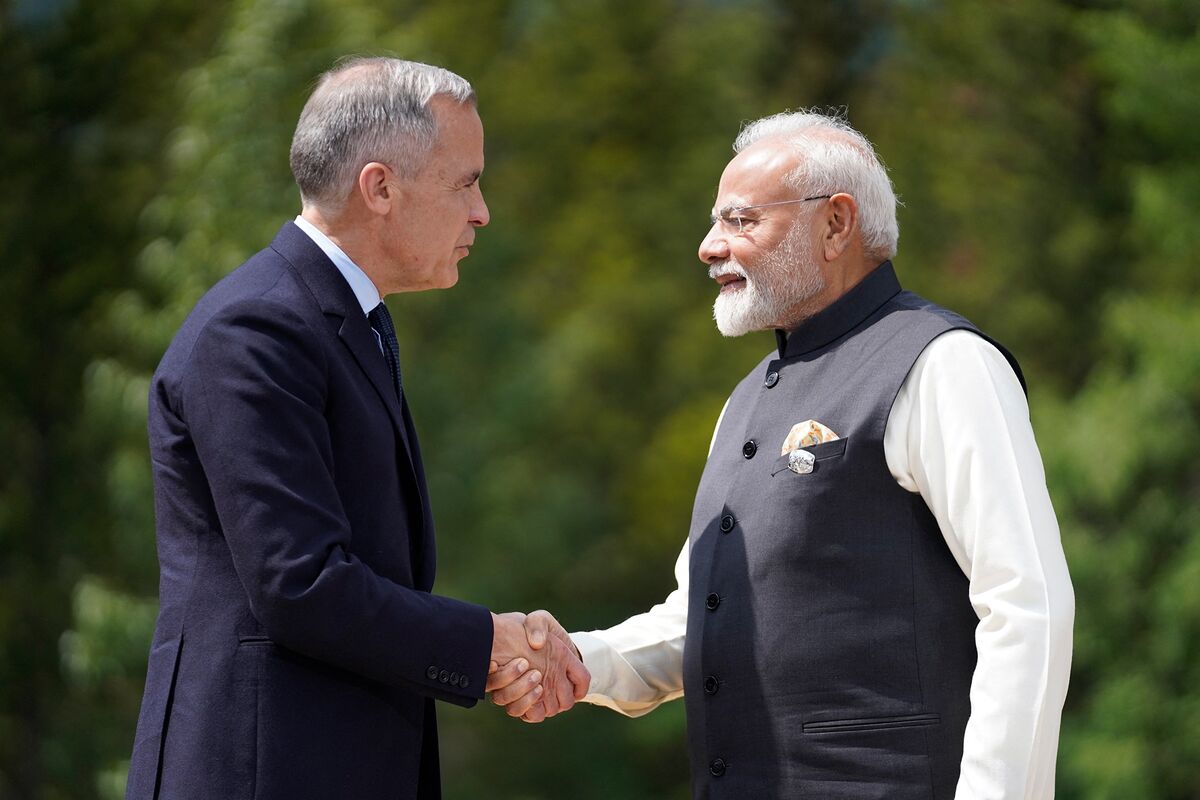
Indian Prime Minister Narendra Modi and Canadian Prime Minister Mark Carney agreed on the sidelines of the G20 in South Africa to resume long-stalled negotiations toward a "high-ambition Comprehensive Economic Partnership Agreement," signaling a thaw in bilateral relations. While the announcement could presage reduced trade barriers and improved market access across goods and services between two large economies, material market effects will likely be limited until specific terms, timelines and tariff or regulatory changes are disclosed.
Winners will be export-oriented Indian services (IT, pharma) and Canadian commodity/fertilizer exporters if tariff and regulatory frictions are cut; expect a modest reallocation of pricing power toward efficient low-cost suppliers. Early market moves will be small; a meaningful re-rate requires concrete tariff schedules and investment-protection language, likely 6–24 months out. Cross-asset: bid for INR vs CAD of ~1–3% on material progress, 2–5% upside for relevant commodity names (fertilizers, metals) if quotas are liberalized, and incremental foreign inflows into Indian IG/sovereign credit tightening spreads by ~10–40bp on confirmed deals.
Tail risks include negotiation breakdowns, domestic political backlash in Canada or India, or conditionalities (local content, IP carve-outs) that blunt gains; such outcomes could generate -10–25% repricing for early long positions. Time horizons: immediate (days) = noise; short-term (1–6 months) = reaction to negotiating milestones; long-term (12–36 months) = tariff/regulatory implementation and capex/ supply-chain shifts. Hidden dependencies: investor protections, temporary worker mobility clauses, and overlap with other trade pacts (CPTPP) will determine real economic transfer, not the headline agreement.
Trade implications: establish measured exposure to India growth and Canadian commodity beneficiaries while hedging policy execution risk. Favor ETFs/large caps that provide liquidity and cross-border revenue exposure rather than small illiquid names; use limited option structures to pay for time value if you expect a multi-month negotiation runway. Entry/exit should be milestone-driven (first draft text, tariff annex, parliamentary ratification) with stop-losses and target returns sized to execution risk.
Consensus underestimates services-mobility upside for Indian IT and overestimates near-term tariff cuts; markets often underprice regulatory implementation risk, so avoid levering into headlines. Historical parallels (CETA, other CEPA negotiations) show multiyear lags between agreement and material trade flow shifts. Unintended consequence: accelerated commodity flows to India could briefly tighten global supply and push commodity prices higher before bilateral supply chains adjust.
AI-powered research, real-time alerts, and portfolio analytics for institutional investors.
Request DemoOverall Sentiment
mildly positive
Sentiment Score
0.25
