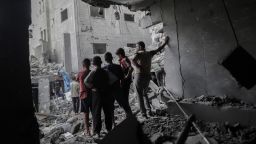
The proposed International Stabilization Force (ISF) for Gaza, a critical element of the US-brokered ceasefire plan, remains stalled over a month after its announcement due to unresolved operational and political complexities. Potential participating nations are demanding clarity on the force's mandate, size, chain-of-command, and international legitimacy, including the need for a UN Security Council resolution, while Israel maintains veto power over troop composition. This impasse highlights significant geopolitical hurdles to stabilizing the region and implementing the broader peace agreement, impacting the long-term security outlook for the enclave.
The proposed International Stabilization Force (ISF) for Gaza, a critical component of the US-brokered ceasefire plan announced on September 29, remains stalled over a month later due to unresolved operational and political complexities. Potential participating nations have not formally committed troops, citing a lack of clarity on the force's mandate, size, chain-of-command, and duration of deployment. This impasse directly impedes the second phase of the ceasefire plan, which relies on the ISF for regional stabilization and further Israeli troop withdrawal. Key hurdles include demands from potential contributors for an international mandate, possibly a UN Security Council resolution, to formalize the ISF's legitimacy and define its role as either "peacekeeping" or "peace enforcing." Simultaneously, Israel has expressed concerns over specific participants, such as Turkey, and insists on explicit consent for any foreign troops entering Gaza, indicating significant geopolitical friction. This dynamic underscores the complex political landscape and the difficulty in achieving consensus among regional and international stakeholders. The current situation, characterized by a "moderately negative" sentiment and an "uncertain" tone, highlights persistent security risks within Gaza, including the presence of armed militias and criminal gangs, with no clear path for Hamas's disarmament. The delay in establishing the ISF suggests a prolonged period of instability, impacting the long-term security outlook for the enclave and broader regional dynamics. The absence of a clear stabilization mechanism could deter future investment and development efforts in the region.
AI-powered research, real-time alerts, and portfolio analytics for institutional investors.
Request DemoOverall Sentiment
moderately negative
Sentiment Score
-0.40
