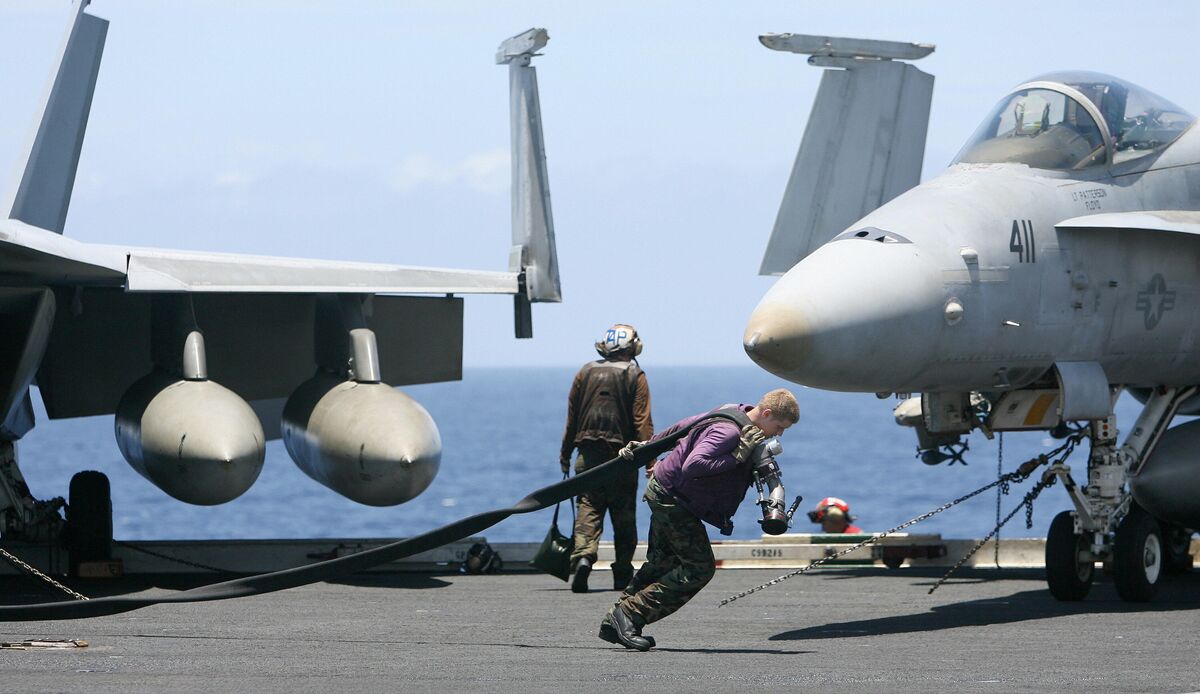
The Philippines, Japan, and the US recently conducted joint naval exercises in the South China Sea, deploying vessels and aircraft to enhance maritime cooperation and promote regional security. This coordinated effort underscores the three nations' commitment to a rules-based international order in the Indo-Pacific, signaling strengthened alliances and potential geopolitical implications for regional stability and trade routes.
The joint naval and aerial exercises conducted by the Philippines, Japan, and the US in the South China Sea represent a significant and public demonstration of a strengthening trilateral security pact. While the stated objective is to enhance maritime cooperation and support a 'rules-based international order,' the exercise's location in a geopolitically sensitive and vital trade corridor signals a strategic posturing aimed at ensuring freedom of navigation. This event, classified under 'Geopolitics & War' and 'Infrastructure & Defense' themes, underscores a sustained commitment to military interoperability among the allies. Although the immediate market impact is assessed as low, the action contributes to the long-term geopolitical risk profile of the Indo-Pacific region. For investors, this highlights a potential increase in regional tensions, which could have knock-on effects on supply chains, while also signaling continued government investment in advanced defense capabilities, particularly naval and aerial assets.
AI-powered research, real-time alerts, and portfolio analytics for institutional investors.
Request DemoOverall Sentiment
neutral
Sentiment Score
0.00
