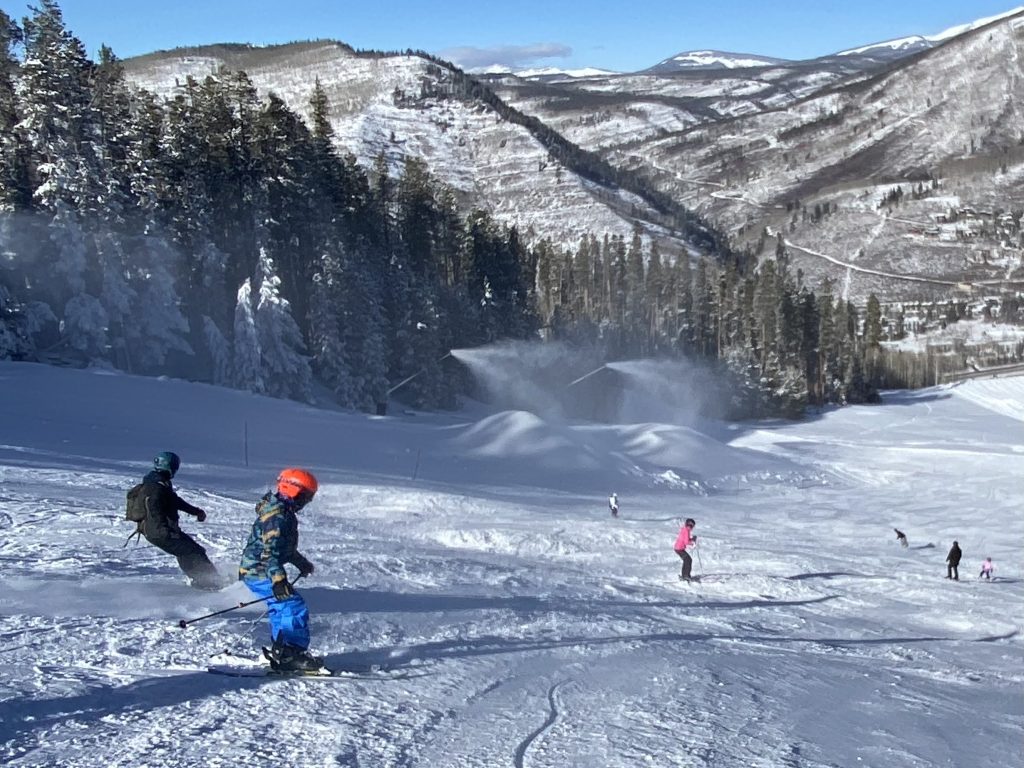
Skier visits at Vail Resorts were down ~12% through February amid record-warm, low-snow conditions in the Rockies, while lift revenue declined about 3% year-over-year. Advanced Epic Pass sales now comprise roughly 75% of annual visitation, cushioning results; the company launched 2026–27 Epic Pass pricing up ~4% and a 20% discount for ages 18–30. Keystone outperformed regional peers due to off-peak pricing and snowmaking investments, and guest satisfaction scores rose despite reduced staffing hours at some Colorado mountains.
Weather-driven variability is forcing mountain operators to treat snow coverage as a quasi-fixed-cost problem: incremental snowmaking, water and energy spend becomes the primary lever to preserve skiable acres, raising seasonal capex and working-capital needs. That pushes profitability toward firms that can fund these investments at scale or that have access to cheaper capital — small, regional operators without diversified cash flows will see margin compression and increased M&A vulnerability over the next 12–36 months.
A more sophisticated pricing stack creates optionality. When an operator can monetize demand pre-season and segment price-sensitive cohorts with targeted offers, it gains the ability to harvest early cash and then surgically optimize off-peak pricing and ancillaries. The trade-off is predictable: short-term ARPU pressure in certain cohorts versus longer-term retention and lower revenue volatility; modeling should treat customer-LTV uplift and churn elasticity as the key drivers of multi-year IRR.
Second-order beneficiaries include vendors of snowmaking hardware, pump and water-treatment OEMs, and local utilities that see higher winter load volatility — these suppliers can see an extended replacement and expansion cycle if operators double down on engineered snow. Conversely, downstream leisure retail (seasonal rental stores, daily-ticket reliant independents) face compressed volumes and heightened seasonality, creating a consolidation runway that strategic acquirers can exploit.
Primary catalysts to watch are authoritative seasonal weather forecasts (ENSO updates) over the next 3–6 months, the company’s pre-season booking cadence and guidance cadence, and any municipal/regulatory moves on water use for snowmaking. Tail risk is structural climate warming that reduces high-quality days permanently; that outcome shifts valuation from cashflow multiple to real-options value of ski real estate and year-round resort development opportunities over 3–10 years.
AI-powered research, real-time alerts, and portfolio analytics for institutional investors.
Request DemoOverall Sentiment
mildly negative
Sentiment Score
-0.25
Ticker Sentiment
