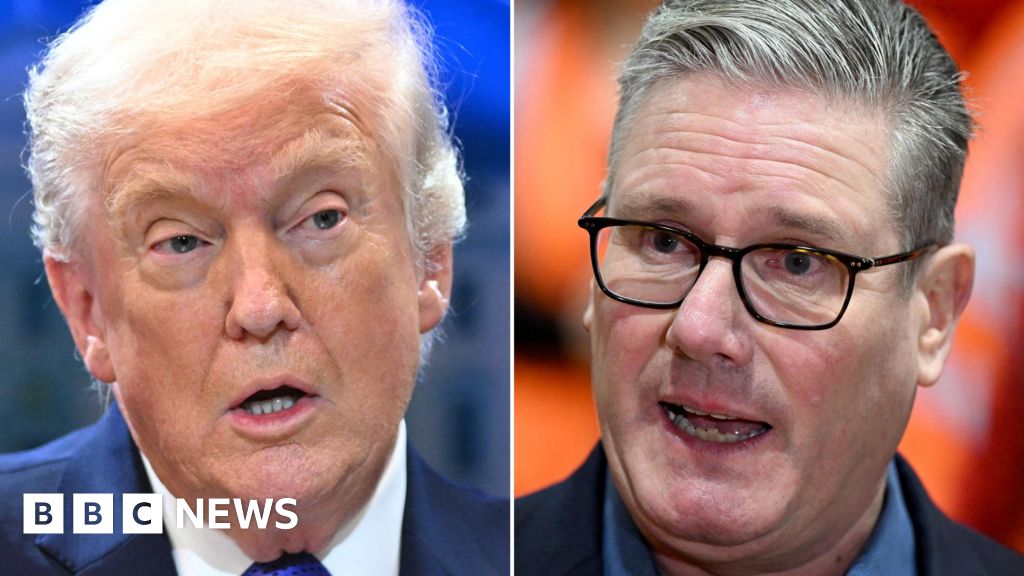
The UK will not join the US blockade of Iran’s ports in the Strait of Hormuz, although it will keep minesweepers and anti-drone assets operating in the region. The announcement comes after US forces said they would enforce the blockade on vessels entering or leaving Iranian ports, with Brent crude already rising above $US100 on the disruption risk. Given that roughly one-fifth of global oil and LNG flows transit the strait, the move raises meaningful market-wide geopolitical and energy supply risk.
The market is likely underpricing the signaling value of the UK declining direct participation while still maintaining defensive assets in-theater. That creates a coalition problem for the US: any blockade that looks unilateral raises the odds of uneven enforcement, higher legal/insurance ambiguity, and faster political pushback from shipping nations that were counting on allied burden-sharing. In practice, the first-order effect is not just higher oil volatility; it is a widening of the “navigational risk premium” embedded in freight, marine insurance, and LNG spot contracts over the next 1-4 weeks. The most exposed second-order losers are European refiners, integrated shipping, and rate-sensitive industrials that rely on Gulf route continuity, even if they are not direct counterparties to Iran. The UK’s position also subtly supports domestic cost-of-living political optics, which matters because it reduces pressure for broader military commitment unless energy inflation persists for several weeks. If Brent stays above $100, the more important catalyst becomes not further escalation but emergency coalition-building and selective exemptions, which would cap the upside in crude while leaving freight and insurance elevated. Contrarian read: the blockade headline is more bearish for global growth than bullish for energy if it forces a rapid diplomatic off-ramp. The real mispricing is likely in volatility rather than direction—spot crude can mean-revert quickly once markets believe traffic can be rerouted or escorted, but options on energy and shipping should retain value as long as the blockage date and enforcement scope remain unclear. That favors expression via optionality, not outright beta, because the next move could easily be a political de-escalation that crushes front-end oil before any physical shortage fully develops.
AI-powered research, real-time alerts, and portfolio analytics for institutional investors.
Overall Sentiment
moderately negative
Sentiment Score
-0.35
Ticker Sentiment
