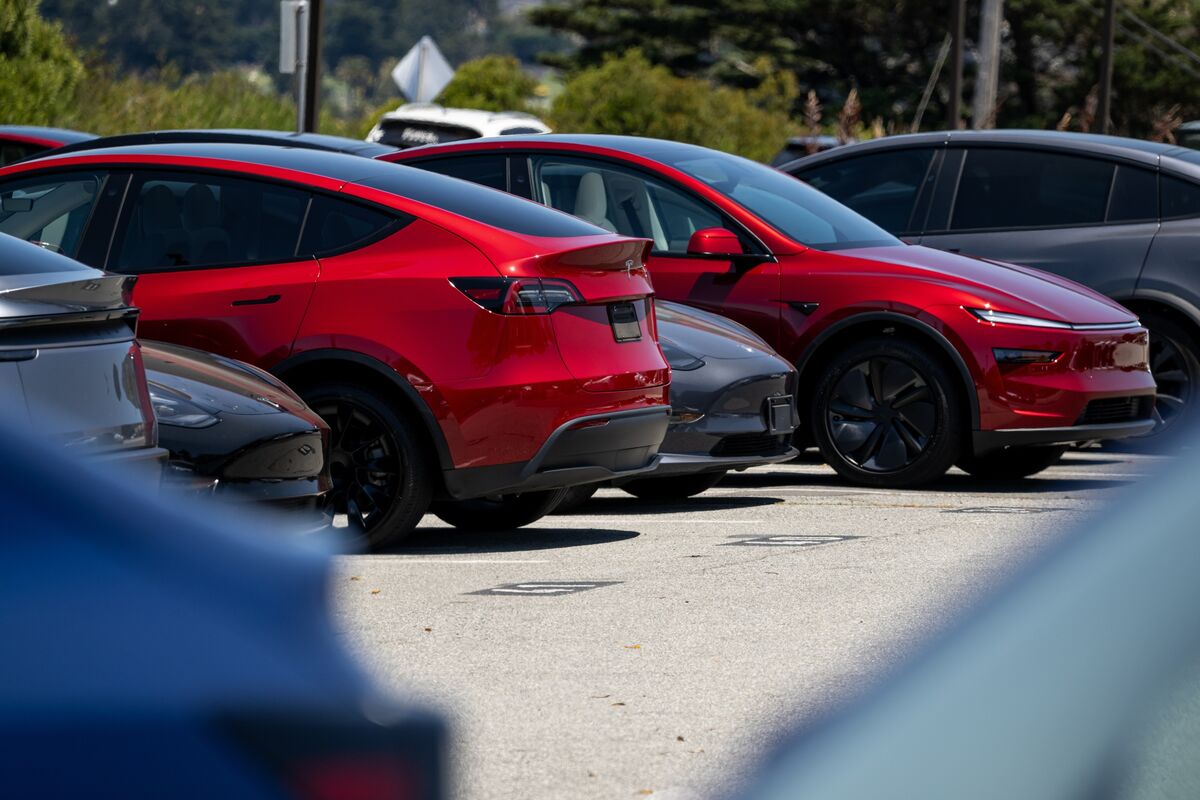
Consumer Reports moved Tesla to ninth place for reliability out of 26 brands, up from 17th last year and a dramatic improvement from 27th out of 28 in 2022, citing better build quality and a “standout” electric drive system. The ranking upgrade signals improving product quality and brand reputation, which could support demand, resale values and investor sentiment toward Tesla, though it is an incremental, reputational development rather than a direct financial catalyst.
Market structure: Tesla’s leap into CR’s top-10 shifts the competitive map—winners are Tesla (TSLA) and its high-quality-brand signalling, tier‑1 suppliers benefiting from higher volume stability (Aptiv/APTV, ON Semiconductor/ON), and used‑EV remarketers via higher residuals; losers are EV challengers with weaker quality (RIVN, LCID) and legacy OEMs (F, GM) that rely on reliability perception to defend pricing. Expect resale values to firm by low single‑digit % over 12–24 months and a gradual reduction in warranty expense volatility, improving free cashflow visibility by tens-to-low‑hundreds of millions annually if sustained.
Risk assessment: Tail risks include a fresh safety recall or major autopilot litigation (NHTSA/DOJ action) that could wipe out sentiment gains; low probability but high impact in next 3–12 months. Short term (days–weeks) market reaction will be driven by flows and IV compression; medium term (quarters) by margin/warranty trends; long term (years) by fleet reliability and residual value cycles. Hidden dependencies: improvements may be software‑driven (OTA) and thus fragile versus hardware defects; supplier constraints or cost inflation could mute margin gains.
Trade implications: Favor a modest net-long TSLA tilt funded by reduction in legacy OEM exposure—express via equity + defined‑risk options: establish 2–3% long TSLA equity and a companion 4–6 month call spread (buy ~25Δ, sell ~12Δ) sized to cap downside to 1–2% portfolio risk. Pair trades: long TSLA vs short F/GM to capture relative share shift; consider selling short-dated puts 5–10% OTM for income if IV remains elevated and you are comfortable assignment.
Contrarian angles: Consensus treats this as sentiment only; overlooked are revenue mix shifts—better reliability can reduce aftermarket /service revenue and lengthen replacement cycles, capping unit growth over years. Reaction may be underdone in bonds/credit: improved reliability should tighten TSLA bond spreads by 20–50bp if corroborated by quarterly warranty declines, creating a cross‑asset arbitrage opportunity with equity exposure.
AI-powered research, real-time alerts, and portfolio analytics for institutional investors.
Request DemoOverall Sentiment
mildly positive
Sentiment Score
0.35
Ticker Sentiment
