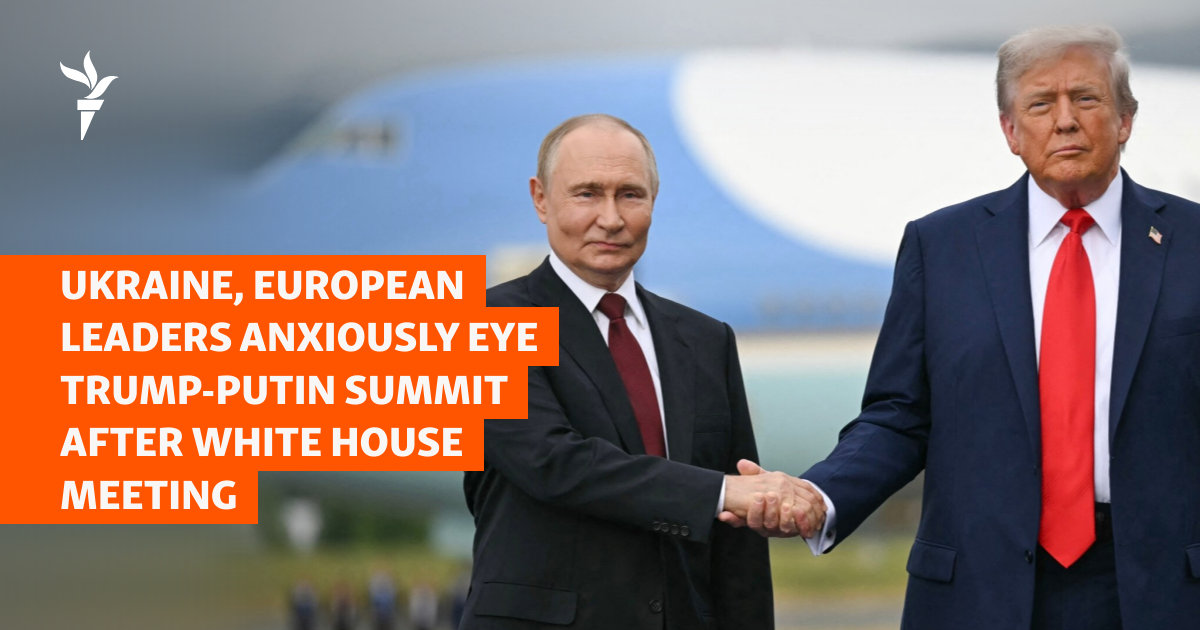
Ukrainian President Zelenskyy's recent Washington visit concluded without a commitment for Tomahawk missiles, as President Trump signaled a pivot towards brokering a peace deal with Russia, culminating in a planned summit in Budapest. This strategic shift, characterized by Trump's softened rhetoric towards Putin, has generated concern in Kyiv despite European allies reaffirming support and continued efforts to pressure Moscow economically. The US approach now balances diplomatic overtures with ongoing measures like expanded intelligence sharing for Ukraine and targeted economic sanctions, such as tariffs on India for Russian oil and sanctions on a Gazprom-affiliated entity.
The recent Washington meeting between President Zelenskyy and President Trump concluded without a commitment for Tomahawk missiles, marking a significant shift in US policy towards Ukraine. Instead, President Trump is now prioritizing a peace deal, evidenced by his softened rhetoric towards Russian President Putin and the planned summit in Budapest. This pivot suggests a potential de-escalation of direct military aid in favor of diplomatic resolution. This development has generated considerable anxiety in Kyiv, with Ukrainian officials and analysts expressing concern over the lack of advanced weaponry and the implications of a US-led peace initiative. Conversely, European leaders, including Ursula von der Leyen and Mark Rutte, have reaffirmed their support for Kyiv, committing to continued work on peace plans and increased pressure on Moscow through sanctions and frozen assets. This divergence highlights a potential rift in strategic approaches among allies. Despite the diplomatic overtures, the Trump administration has simultaneously expanded intelligence sharing with Ukraine and implemented targeted economic pressures, such as tariffs on India for Russian oil purchases and sanctions on a Gazprom-affiliated entity in Serbia. These actions indicate a complex and multi-faceted US strategy that balances peace efforts with continued support for Ukraine and economic leverage against Russia. The upcoming Budapest summit will be critical in defining the future trajectory of the conflict and regional stability.
AI-powered research, real-time alerts, and portfolio analytics for institutional investors.
Overall Sentiment
mildly negative
Sentiment Score
-0.30
