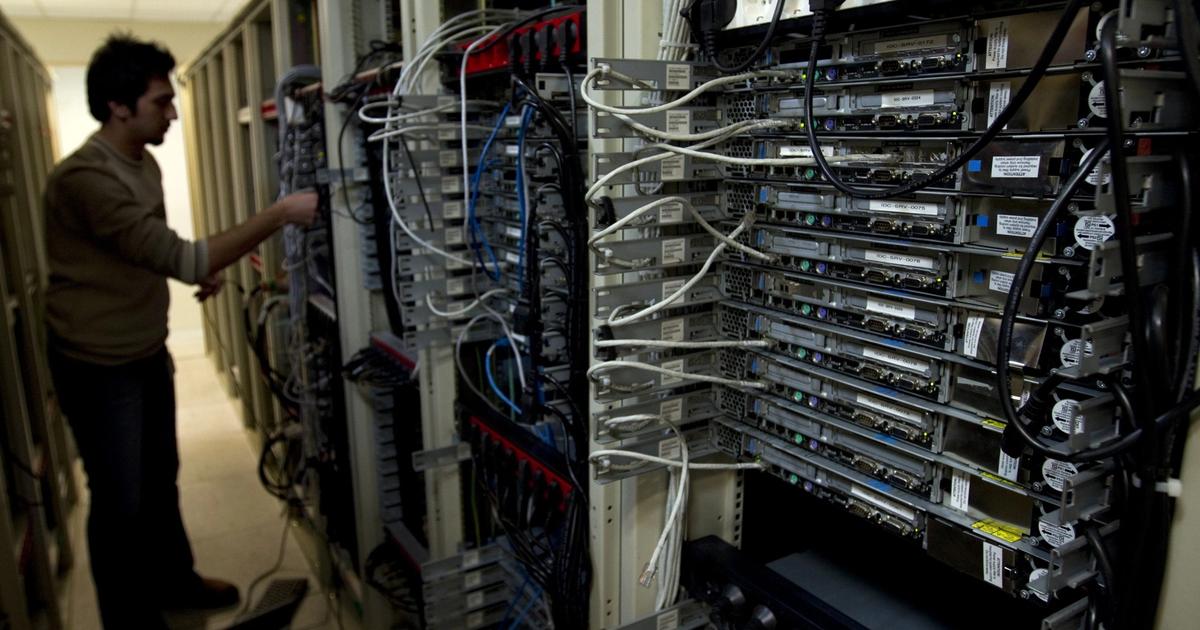
Iran is reportedly moving toward a China-style, state-controlled internet architecture after importing Chinese equipment for a possible "permanent internet shutdown," while the country remains in the world's longest ongoing nationwide blackout. Experts say Tehran may seek to preserve limited online access for commerce while expanding surveillance, censorship and information controls. The story raises material concerns for digital repression, cross-border tech transfers and broader geopolitical tensions.
This is less a story about a binary blackout than about the emergence of a state-controlled domestic internet stack. The economic loser is not just the population’s access to information; it is every business line that depends on foreign cloud, payments, SaaS, ad-tech, and cross-border collaboration, because the regime can selectively restore commerce while leaving verification, encryption, and outside connectivity degraded. That creates a two-tier economy: state-approved incumbents and politically compliant intermediaries may gain pricing power, while SMEs, exporters, and any digital-native business with foreign dependencies face persistent friction and higher operating costs.
The second-order effect is a demand pull into surveillance, filtering, and network-management hardware/software, but the market should not assume easy monetization for Western vendors. In practice, China-linked suppliers and gray-market integrators are the likely beneficiaries, while sanctioned procurement channels increase the value of smuggling, local assembly, and offline substitution. Over months, the key catalyst is whether authorities formalize a “whitelist internet” architecture; over days, the main tail risk is renewed civil unrest forcing a wider shutdown that further degrades payment rails and logistics.
The underappreciated risk is reputational and regulatory spillover for firms and investors exposed to Chinese digital infrastructure exports: this is the kind of use case that can sharpen U.S./EU export-control scrutiny and secondary-sanctions pressure on telecom/security vendors. The bigger contrarian point is that a permanent total blackout is likely economically self-defeating, so the base case is not “off,” but “metered and surveilled,” which is actually more durable and more damaging. That makes the tradeable theme persistence of repression, not outage severity.
For equity markets, the cleanest expression is to avoid any assumption that internet normalization in Iran is imminent; the move should be framed as a multi-quarter entrenchment of digital sovereignty and censorship tech demand. The near-term upside for sanctions-enforcement and cyber-monitoring names is offset by policy risk for suppliers of dual-use infrastructure to authoritarian states, so the relative-value opportunity is in diligence, not broad beta.
AI-powered research, real-time alerts, and portfolio analytics for institutional investors.
Request DemoOverall Sentiment
strongly negative
Sentiment Score
-0.60
