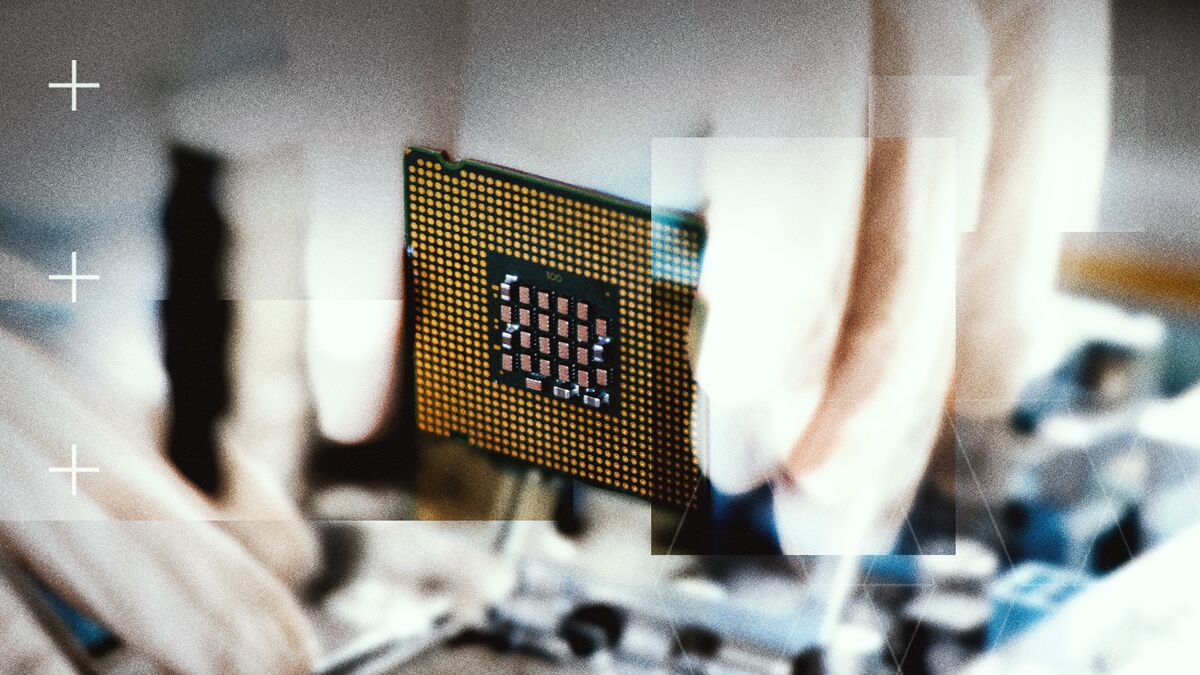
The semiconductor industry is on course to become a $1 trillion business in 2026, but the article highlights rising strains from unprecedented demand and scrutiny across the global chip supply chain. Companies and governments are increasingly rethinking where chips are made, signaling potential shifts in sourcing, manufacturing, and policy support. The piece is broadly factual and strategic rather than event-driven, with moderate sector relevance but limited immediate price impact.
The investable shift is not simply more chip spending; it is a redistribution of margin power from pure-play designers toward the picks-and-shovels layers that become indispensable when supply chains get regionalized. Over the next 12-36 months, the biggest second-order beneficiary is likely not the headline foundry winner but the ecosystem around it: lithography, wafer fab equipment, specialty chemicals, advanced packaging, and industrial automation, where duplicated capacity drives incremental orders even if end-demand only grows modestly.
The loser set is more nuanced. A fragmented supply chain raises working capital, qualification costs, and idle-capacity risk, which compresses returns for smaller fabs and mid-tier suppliers that lack balance-sheet scale. Meanwhile, customers in consumer electronics and auto could face a longer period of component inflation and slower design cycles, which may cap unit growth even as nominal semiconductor revenue keeps rising.
The key catalyst path is policy, not demand. Subsidies, export controls, and local-content rules can keep capex elevated for years, but any easing in geopolitical tension or a slowdown in AI capex would quickly expose overbuild risk in less critical nodes like mature-node memory and legacy logic. The market may be underestimating how much of the “supply chain remake” is front-loaded capex with a lagging earnings payoff, meaning near-term beneficiaries can look expensive while end-demand beneficiaries may see delayed margin pressure.
Contrarian view: consensus is too focused on chip scarcity and not enough on capacity redundancy as a cost center. If governments force regional duplication, the strategic moat shifts toward vendors that sell tools and IP into every geography, while pure foundry economics become more cyclical and less protected than the current AI enthusiasm implies. That makes relative value more attractive than outright beta: own the enabling layers, fade the most capital-intensive manufacturing names if valuations already discount full utilization and policy support.
AI-powered research, real-time alerts, and portfolio analytics for institutional investors.
Request DemoOverall Sentiment
neutral
Sentiment Score
0.05
