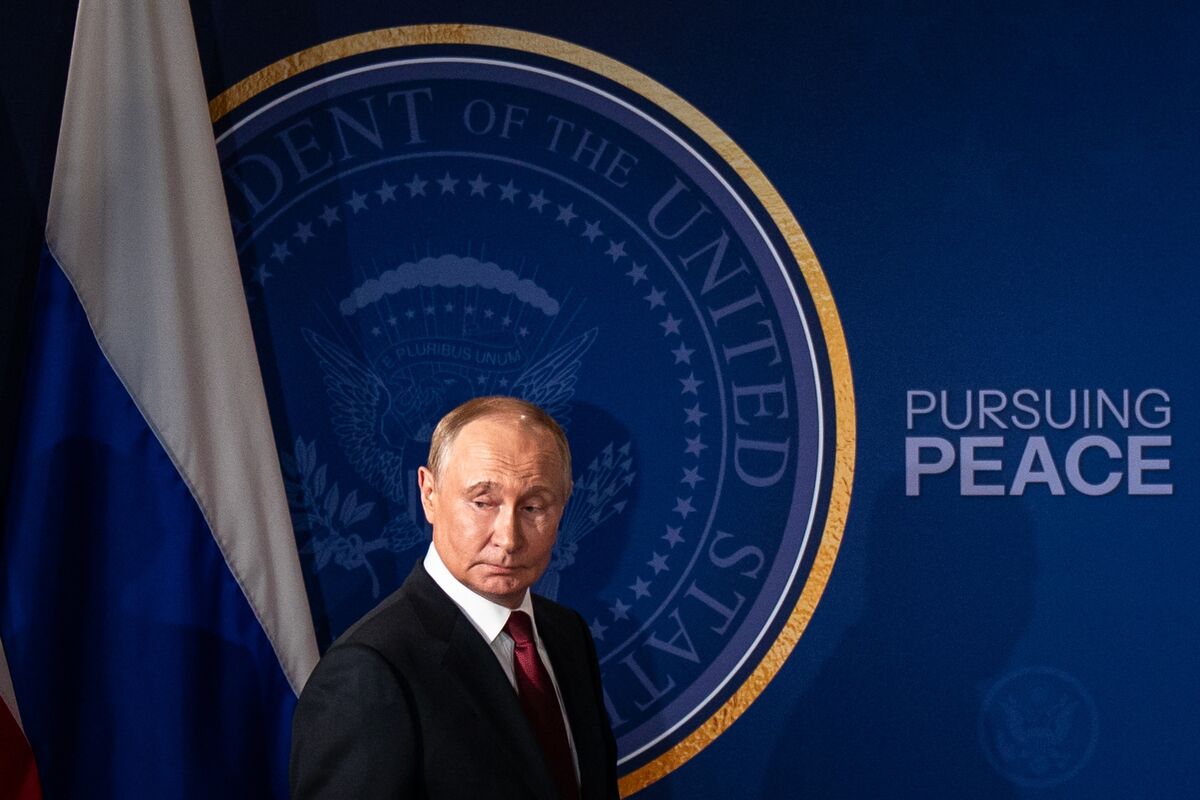
Russia's recent incursion of 19 drones into Polish airspace during an attack on Ukraine, confirmed by Foreign Minister Radek Sikorski and prompting Poland to invoke NATO's Article 4, represents a deliberate and unprecedented challenge to a NATO member. This incident, highlighted by Bloomberg Opinion's Marc Champion, serves as a critical warning that Russia, despite its conflict struggles, is willing to directly test the alliance, significantly elevating geopolitical risk and regional instability concerns.
Russia's incursion of 19 drones into Polish airspace represents a significant and deliberate escalation, directly challenging a NATO member state. The action, confirmed by Poland's Foreign Minister Radek Sikorski, prompted Warsaw to invoke NATO's Article 4, a formal request for consultation among allies when territorial integrity is threatened. This event refutes the assumption that Russia's military, despite its struggles in Ukraine, would avoid direct provocation of the NATO alliance. As highlighted by Bloomberg Opinion, this should be interpreted as a strategic warning, substantially elevating geopolitical risk in Eastern Europe. The high market impact score of 0.75 and strongly negative sentiment underscore the market's recognition of this heightened instability, which could trigger a reassessment of regional security dynamics and defense postures among European nations.
AI-powered research, real-time alerts, and portfolio analytics for institutional investors.
Request DemoOverall Sentiment
strongly negative
Sentiment Score
-0.75
