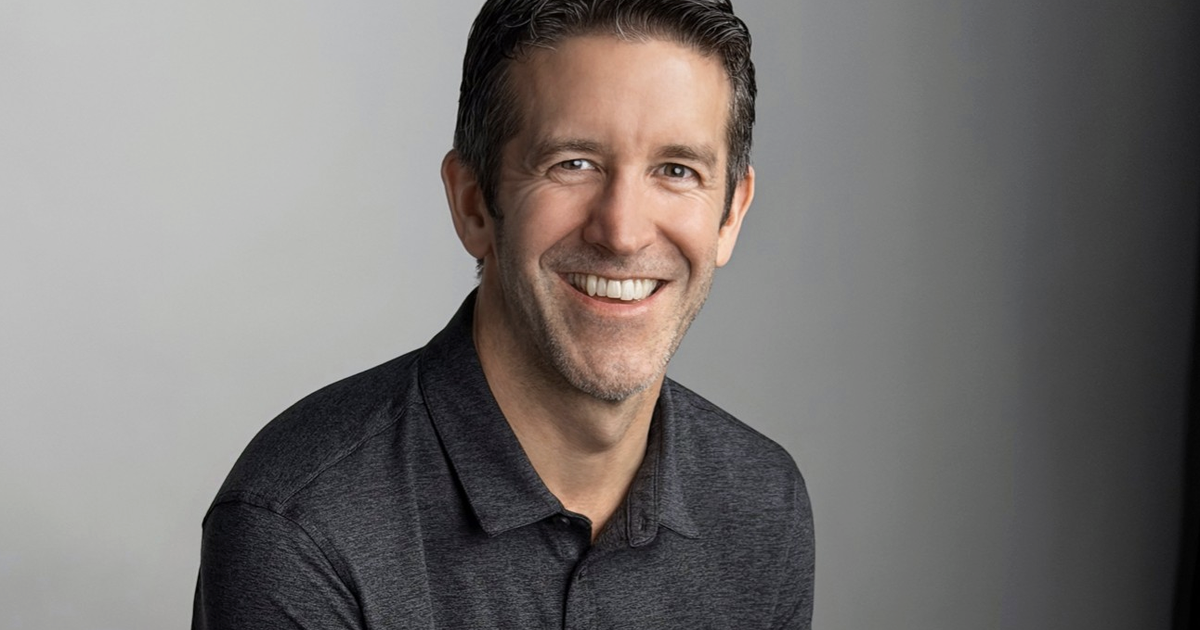
Apple announced that John Ternus will succeed Tim Cook as CEO on Sept. 1, marking the company's first hardware-focused chief executive in more than three decades. The transition is framed as continuity rather than disruption, with Ternus credited for key product and architecture decisions across Macs, iPhone pricing, iPad, AirPods, and Apple Watch. The article also notes Apple’s AI push, including a planned Siri upgrade using Google’s Gemini model, amid supply-chain pressure from a global memory shortage.
This transition reduces key-person uncertainty but does not change Apple’s strategic constraint: hardware excellence is now the floor, not the edge. A hardware-native CEO should tighten execution on product mix, margin defense, and component prioritization, which matters most when memory/advanced packaging is tight and launch timing becomes a real earnings lever over the next 2-3 quarters. The market is likely to treat this as a continuity event initially, but the second-order effect is higher confidence that Apple will monetize premium hardware features more aggressively rather than chase a pure software-AI narrative.
The more interesting read-through is competitive positioning versus Intel and AI-native peers. Ternus’ background reinforces Apple’s silicon roadmap and makes further share loss to Intel even less plausible; the structural message is that Apple will keep pulling compute, power efficiency, and thermal design in-house, widening the moat in mobile and client devices. On the AI side, outsourcing near-term assistant capability to Google buys time, but it also highlights that Apple is optimizing for user experience and attach rate rather than frontier-model leadership, which keeps Google strategically relevant while leaving Nvidia exposed to any normalization in AI capex growth rates.
The contrarian setup is that the succession may be more bullish for margins than for growth. A hardware CEO can better manage bill-of-materials inflation and SKU discipline, but that can also mean fewer “surprise” feature upgrades and less willingness to subsidize ecosystem expansion, which caps multiple expansion if investors were hoping for a faster AI rerating. The biggest risk window is 6-12 months: if component shortages delay launches or AI feature rollouts disappoint, the market could quickly rotate from governance relief to questions about Apple’s innovation premium. In that scenario, the stock likely trades on earnings durability rather than narrative expansion.
AI-powered research, real-time alerts, and portfolio analytics for institutional investors.
Request DemoOverall Sentiment
mildly positive
Sentiment Score
0.20
Ticker Sentiment
