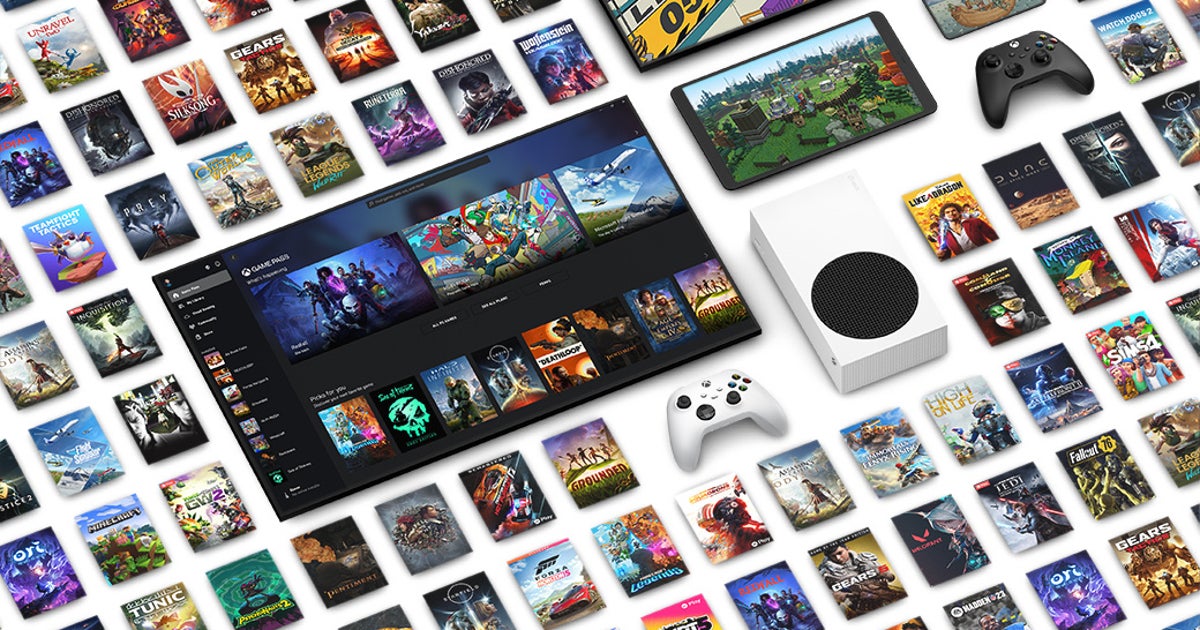
Microsoft Gaming reportedly says Xbox Game Pass has "become too expensive for players" and needs a "better value equation," signaling pricing and product changes ahead. The company plans to evolve the service into a more flexible system, after last year’s price increases of up to 50%. Existing auto-renewing customers in Germany, Ireland, South Korea, Poland, and India were later exempted unless they cancel or repurchase at current rates.
This reads less like a one-off pricing tweak and more like admission that the subscription flywheel is hitting elasticity limits. The second-order issue for MSFT is not just near-term churn, but the possibility that Game Pass is shifting from a growth narrative into a monetization and retention optimization problem, which typically compresses engagement-led valuation multiples before revenue impairment shows up in reported numbers. The near-term beneficiaries are likely the traditional console/PC publishing ecosystem and first-party premium game monetization models: if consumers balk at subscription pricing, spending reverts toward à la carte purchases, especially for high-friction users who only play a few titles per quarter. That is positive for high-quality game publishers with strong catalog monetization and negative for lower-end subscription-heavy gaming demand, while also putting more pressure on Microsoft to spend aggressively on content to justify the fee structure, which can cap margin expansion. The key risk is that price changes become a multi-quarter demand headwind rather than a one-time reset, particularly if Microsoft is forced into a more flexible or segmented offering that creates perceived downgrades. If the company leans into discounts, bundles, or regional concessions, that would likely stabilize uptake but at the cost of ARPU and operating leverage; if it does nothing, churn risk rises over the next 1-3 quarters as renewals roll. Consensus may be underestimating the strategic signal here: management is effectively telling the market that the current consumer value proposition is broken. That is usually a precursor to either slower subscriber growth or a more expensive content pipeline, and in both cases the risk/reward for an outright re-rating of the gaming segment looks worse before it gets better.
AI-powered research, real-time alerts, and portfolio analytics for institutional investors.
Overall Sentiment
mildly negative
Sentiment Score
-0.15
Ticker Sentiment
