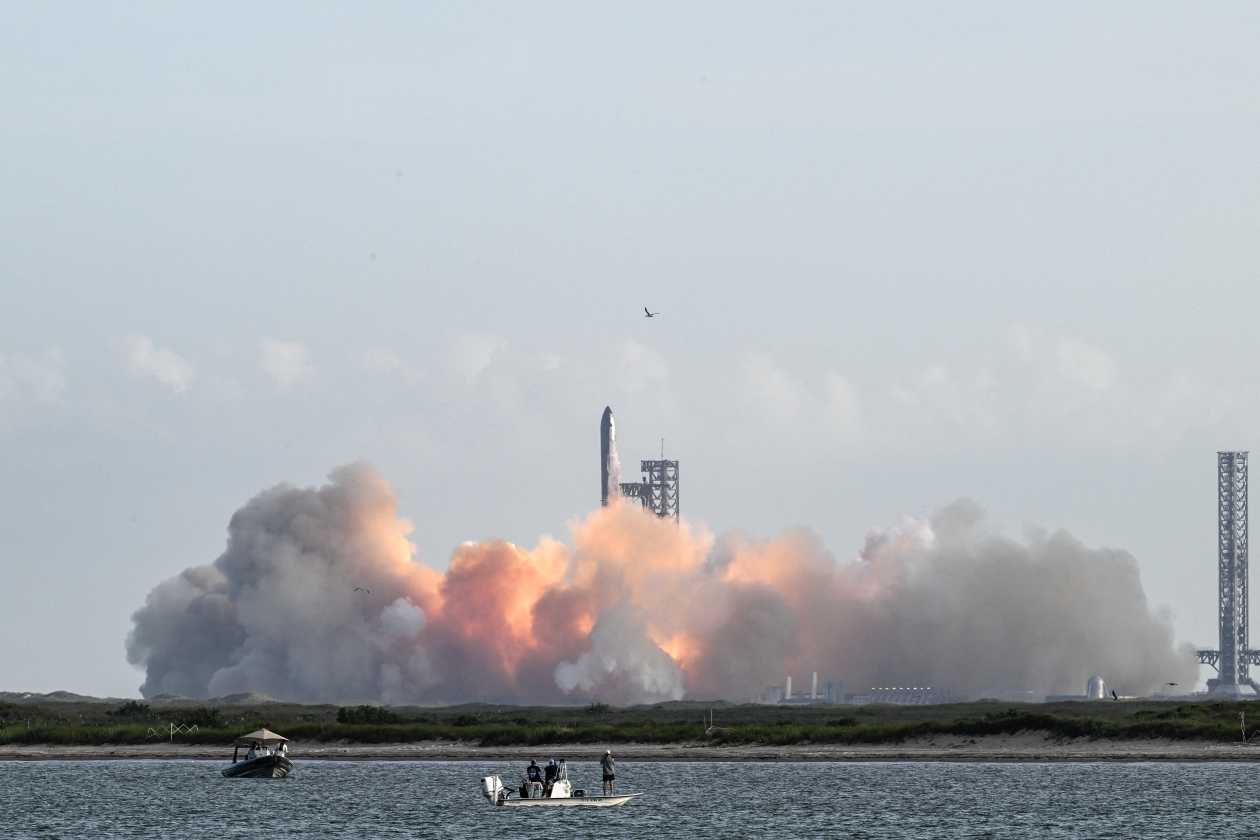
SpaceX is reportedly planning a secondary share sale that could value the company at about $800 billion (up from a ~$400 billion valuation at its last sale), and is considering a full public listing as soon as H2 next year, potentially including Starlink. SpaceX, estimated to have generated roughly $13.1 billion in 2024 (with Starlink contributing $8.2 billion) and guided by Musk to about $15.5 billion for 2025, would still produce far less revenue than Tesla (market cap ≈ $1.43 trillion; FactSet sales estimate ~$95.2 billion for 2025). The proposed valuation would make SpaceX larger than most private firms (and larger than OpenAI’s reported $500 billion private valuation) and matters for asset allocation decisions given Musk’s sizable ownership stakes in both SpaceX (~42%) and Tesla (15%, potentially rising under his compensation package).
Market structure: A reported $800B SpaceX valuation reallocates private-market scarce capital toward LEO satcom and launch ecosystems; direct winners are SpaceX investors, Starlink component suppliers and launch-adjacent contractors, losers are smaller launch rivals (ULA, Arianespace) and satellite incumbents facing pricing pressure. With Musk targeting ~ $15.5B revenue in 2025 vs implied $800B value, the market is pricing >50x revenue growth or massive margin expansion driven by Starlink scale — a high multiple that increases sensitivity to any subscriber/ARPU misses.
Risk assessment: Tail risks include regulatory (FCC spectrum, export controls, antitrust), operational (major launch failure or constellation degradation), and funding governance (large insider secondary sales or Musk selling TSLA to fund SpaceX). Immediate effects (days) will be sentiment-driven; short-term (weeks–months) a secondary could reprice private comps; long-term (years) the thesis requires Starlink achieving mid-teens billions in recurring free cash flow to justify the multiple. Hidden dependencies: government contracts, cross-ownership liquidity events, and dependence on international ROIC for satellite ground stations.
Trade implications: Favor quality, cash-generative semis/defense suppliers (e.g., AVGO) and hedge EV exposure to guard against narrative-driven TSLA weakness; consider small, tactical shorts in overhyped small-cap space names (ASTS) and protect TSLA delta with put spreads. Options: use 3–12 month call spreads on AVGO (10–15% OTM) and 1–3 month bear put spreads on TSLA (10%/5% OTM) to limit cash outlay. Rebalance away from pure thematic long-only space ETFs into suppliers/defense and financials for cyclical hedging.
Contrarian angles: Consensus underestimates the probability that the IPO/secondary itself triggers regulatory scrutiny and a liquidity event that forces insider selling — a >5% Musk sale of TSLA could mechanically push TSLA down 10–20% in weeks. Historical parallel: 1999–2001 tech IPO mania shows high valuations on minimal revenue can collapse swiftly if growth slows; therefore size positions conservatively, use options to cap downside, and watch 90-day Starlink subscriber/ARPU trends as a binary litmus test.
AI-powered research, real-time alerts, and portfolio analytics for institutional investors.
Request DemoOverall Sentiment
mildly positive
Sentiment Score
0.25
Ticker Sentiment
