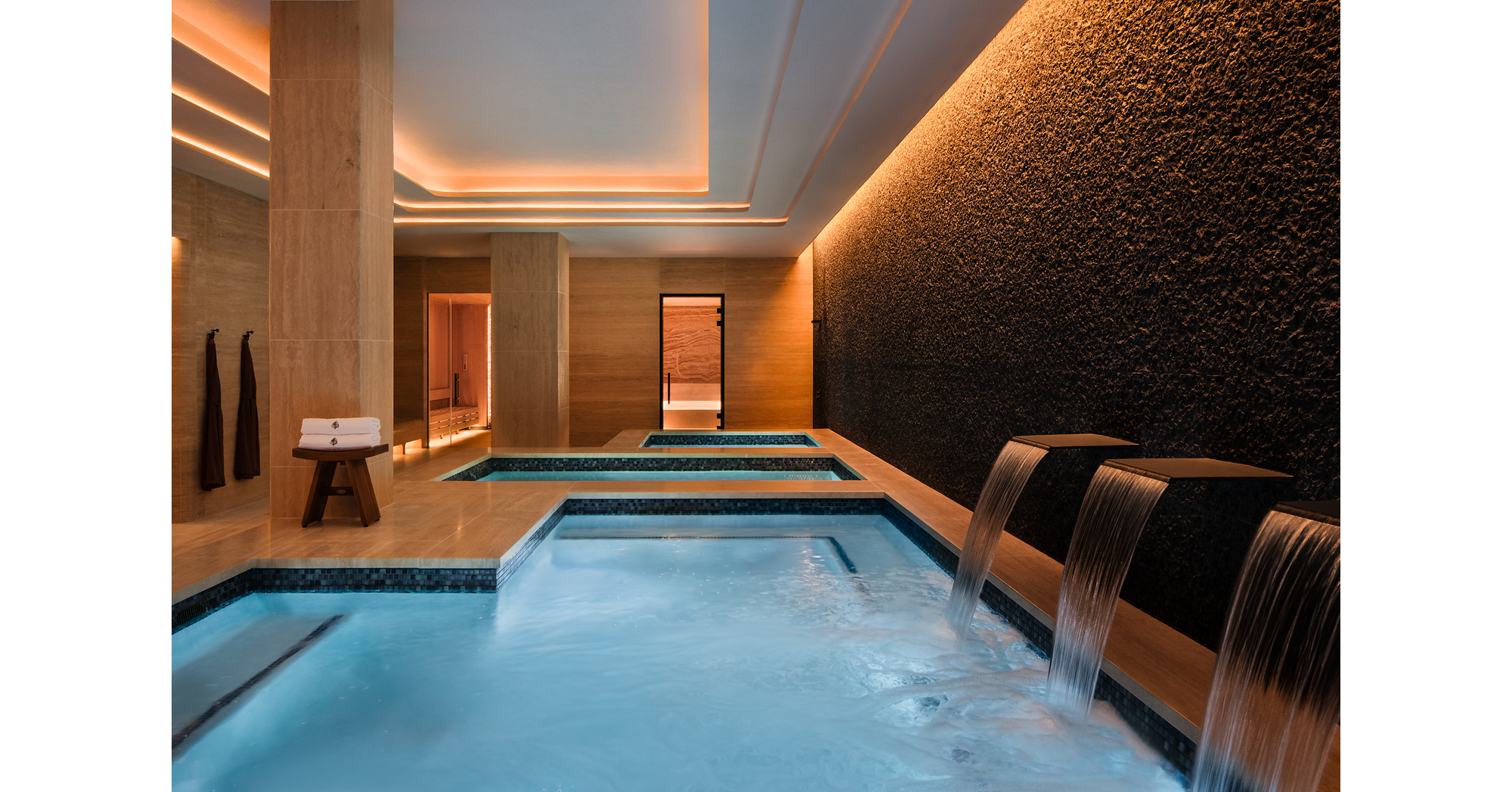
Four Seasons Resort Maui at Wailea launched Kai Holo Spa, a new wellness destination featuring an aquathermal hydrotherapy circuit with three hydrotherapy pools (vitality, therapeutic hot, and cold plunge), plus contrast-therapy amenities (steam room, sensory shower, and saunas). The spa also introduces “Pacific Journeys” signature rituals and a redesigned longevity center offering biomarker testing, IV therapy, and NAD+ treatments (with a hyperbaric chamber planned for late summer), supported by a bio-hacking/biomarker-and-tech skincare approach. Market impact is likely minimal, as this is a brand and guest-experience expansion rather than a financial or macroeconomic development.
This is a brand-layer upgrade, not a earnings inflection. The economic question is whether wellness programming can lift ancillary spend per occupied room and justify higher ADRs, but in luxury resorts that usually shows up gradually and is easy to overestimate until we see repeat bookings and higher spa attachment rates. The near-term market impact is likely negligible unless management can quantify a step-up in RevPAR or per-guest spend in the next 1-2 quarters.
The second-order winner is the broader luxury hotel complex, especially publicly traded operators with exposure to premium leisure demand such as HLT and MAR, because this reinforces the race toward experiential, wellness-led differentiation. The likely losers are off-property spas, independent wellness studios, and lower-service vacation rentals that cannot bundle medical/wellness add-ons or monetize captive foot traffic. The more interesting structural effect is margin mix: high-end wellness rooms and programs can be high-ROI if utilization is strong, but the payback is highly sensitive to staffing and utilization, so the capex story matters more than the press release.
Contrarian view: the market often treats wellness expansion as incremental demand, when in practice it can be mostly spend reallocation from other resort amenities. If the new offering does not pull in materially higher-length-of-stay travelers or command a measurable premium, it is just an expensive marketing refresh. I would watch for management commentary on booking curves, spa occupancy, and rate premiums over the next 1-3 months; absent that, this is more of a sentiment-positive luxury travel datapoint than a tradable catalyst.
AI-powered research, real-time alerts, and portfolio analytics for institutional investors.
Request DemoOverall Sentiment
mildly positive
Sentiment Score
0.18
Ticker Sentiment
