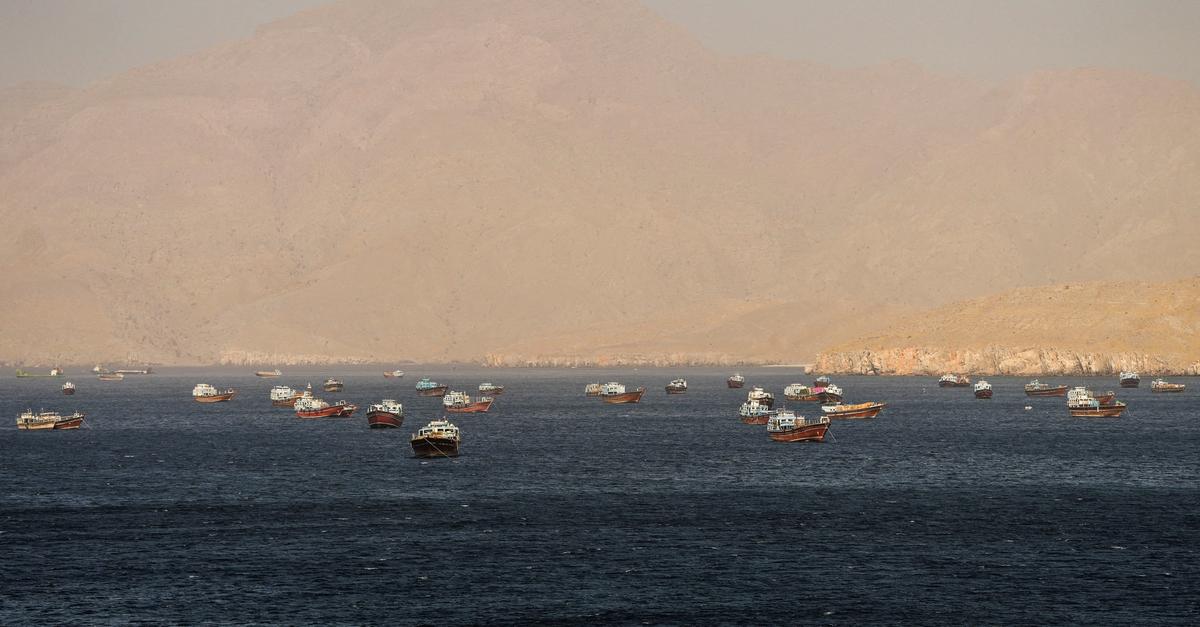
Tensions around Iran escalated as the U.S. reportedly set five conditions for a deal, including no damages payments and transfer of 400 kilograms of uranium, while Trump warned Tehran of a "very bad time" if talks fail. Iran also launched a maritime insurance platform for Strait of Hormuz transits with crypto payment options, and the region remained volatile after a drone strike ignited a fire near Abu Dhabi's Barakah nuclear plant. Separately, Iran's internet blackout entered its 79th day, and reports of medicine shortages, gasoline pressure, and rising protest risk point to worsening domestic strain.
The market is underpricing how quickly this cluster of events can translate from headline risk into real physical-disruption risk premia. The most important second-order effect is not the direct geopolitical noise, but the widening probability distribution for Gulf transit costs, insurance availability, and security-related delays; that tends to show up first in refined products, LNG shipping, and regional logistics before it meaningfully moves benchmark crude. The new crypto-enabled insurance rail is also a tell: when counterparties need alternative settlement and coverage plumbing, it usually means traditional channels are becoming unreliable, which is bearish for local commerce and supportive of sanctions enforcement friction.
The Barakah incident matters less as a one-off asset event than as a reminder that infrastructure adjacent to strategic nuclear and power assets is now a soft target. Even limited attacks can force operators to raise redundancy spending, lengthen outage buffers, and over-insure, which becomes a margin headwind for Gulf utilities and EPC contractors over months, not days. At the same time, prolonged internet blackout conditions in Iran increase operational opacity for supply chains and payment flows, raising the odds of accidental escalation and making it harder for markets to distinguish between state-directed action and internal instability.
The underappreciated macro implication is that Iran’s domestic stress raises both escalation risk and policy concession risk simultaneously. In the near term, the path of least resistance is higher volatility in energy, freight, and EM credit; over 1-3 months the key catalyst is whether Washington uses economic pressure to force a deal or whether Tehran leans into asymmetric disruption to gain leverage. The consensus still seems too focused on headline diplomacy and too light on tail-risk hedging around shipping bottlenecks and regional infrastructure security.
AI-powered research, real-time alerts, and portfolio analytics for institutional investors.
Request DemoOverall Sentiment
strongly negative
Sentiment Score
-0.55
