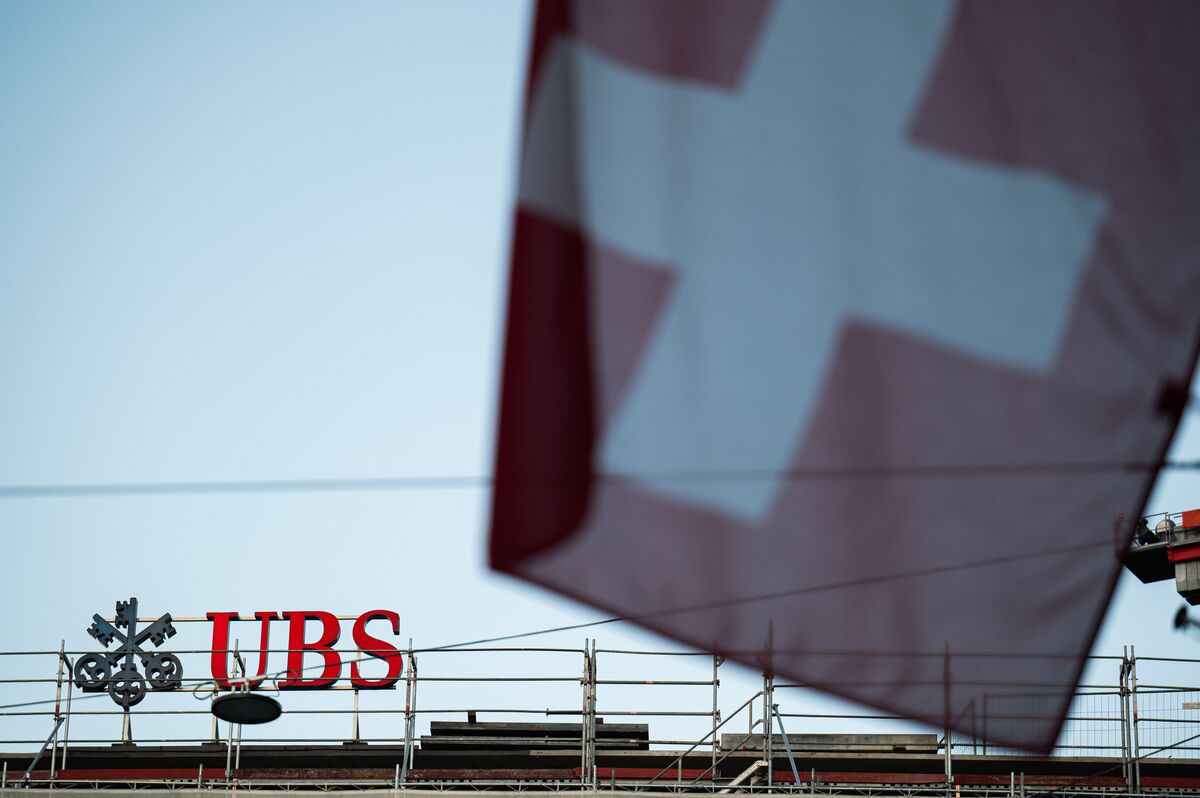
Swiss lawmakers have significantly watered down a proposal to impose a fixed upper limit of 3-5 million francs on executive compensation at major banks like UBS Group AG, making it unlikely the cap will become law. This parliamentary action effectively removes the threat of a stringent salary ceiling for top executives in the Swiss financial sector, impacting future compensation structures.
A significant regulatory threat to the Swiss banking sector has diminished as lawmakers in the lower house of parliament have substantially weakened a proposal to cap executive compensation. The original bill, which passed the upper house in March, sought to impose a fixed salary limit of between 3 and 5 million Swiss francs for top executives at major institutions, including UBS Group AG. The subsequent dilution of this bill makes its enactment into law highly unlikely. This development removes a key overhang for Swiss banks, particularly concerning their ability to attract and retain senior talent in a competitive global market. The moderately positive sentiment signal (0.4) for both the general market and UBS specifically reflects the market's favorable interpretation of this reduced legislative risk, which has direct implications for corporate governance and future compensation structures within the Swiss financial industry.
AI-powered research, real-time alerts, and portfolio analytics for institutional investors.
Request DemoOverall Sentiment
moderately positive
Sentiment Score
0.40
Ticker Sentiment
