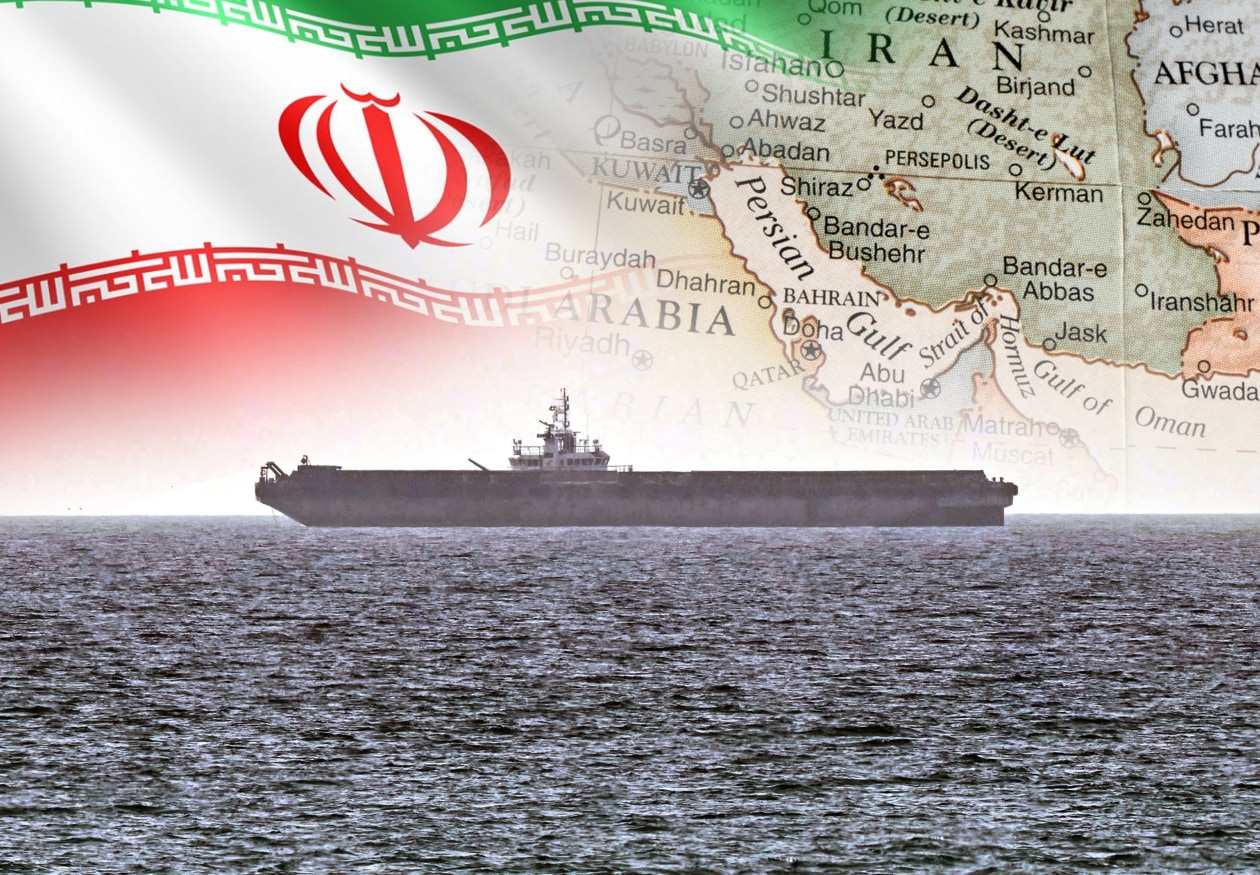
Iran said the Strait of Hormuz is "completely open" for commercial vessels, though reopening remains conditional on the Lebanon-Israel cease-fire staying in effect. The announcement should ease some geopolitical risk premium in oil and shipping markets, but traffic may still remain below preconflict levels. The main impact is improved sentiment rather than an immediate normalization of seaborne crude flows.
The market is likely underpricing the difference between “open” and “de-risked.” Even if tankers can physically transit, shipowners, insurers, and charterers will demand a persistent risk premium until there is evidence of multiple uneventful sailings; that keeps freight and delivered energy costs elevated even if headline geopolitical fear fades. The first-order relief trade is therefore less about a collapse in crude and more about a partial unwind in volatility, which tends to benefit transport-sensitive sectors before it fully reaches upstream energy.
The second-order winner is not just consumers of oil, but balance-sheet levered logistics and shipping names with exposure to spot freight normalization. If charter rates have been bid up on disruption expectations, a gradual normalization can compress earnings for tanker owners while improving margins for airlines, container lines, and petrochemical-heavy industrials that were absorbing higher bunker and insurance costs. The asymmetry is that energy equities may not fall much unless throughput actually resumes at scale, but downstream and transportation beneficiaries can re-rate quickly on sentiment alone.
The main catalyst risk is that the current improvement is conditional, not structural. Any cease-fire deterioration, a single high-profile incident, or even longer-than-expected convoy/insurance constraints can snap risk back within days, while the earnings impact on physical flows would take weeks to show up. That means the market can overreact both ways: too much relief if traders extrapolate headline openness into normal volumes, and too little if they ignore the lag between political signaling and actual maritime throughput.
Contrarianly, the best expression may be to fade the broad “peace dividend” in energy while leaning into cross-asset beneficiaries that do not require perfect normalization. The more durable trade is on volatility compression and lower logistics friction, not a full reset of Middle East risk pricing. If transit is merely less bad rather than truly normal, the biggest mispricing is likely in rate-sensitive and freight-sensitive equities, not in crude itself.
AI-powered research, real-time alerts, and portfolio analytics for institutional investors.
Request TrialOverall Sentiment
mildly positive
Sentiment Score
0.20
