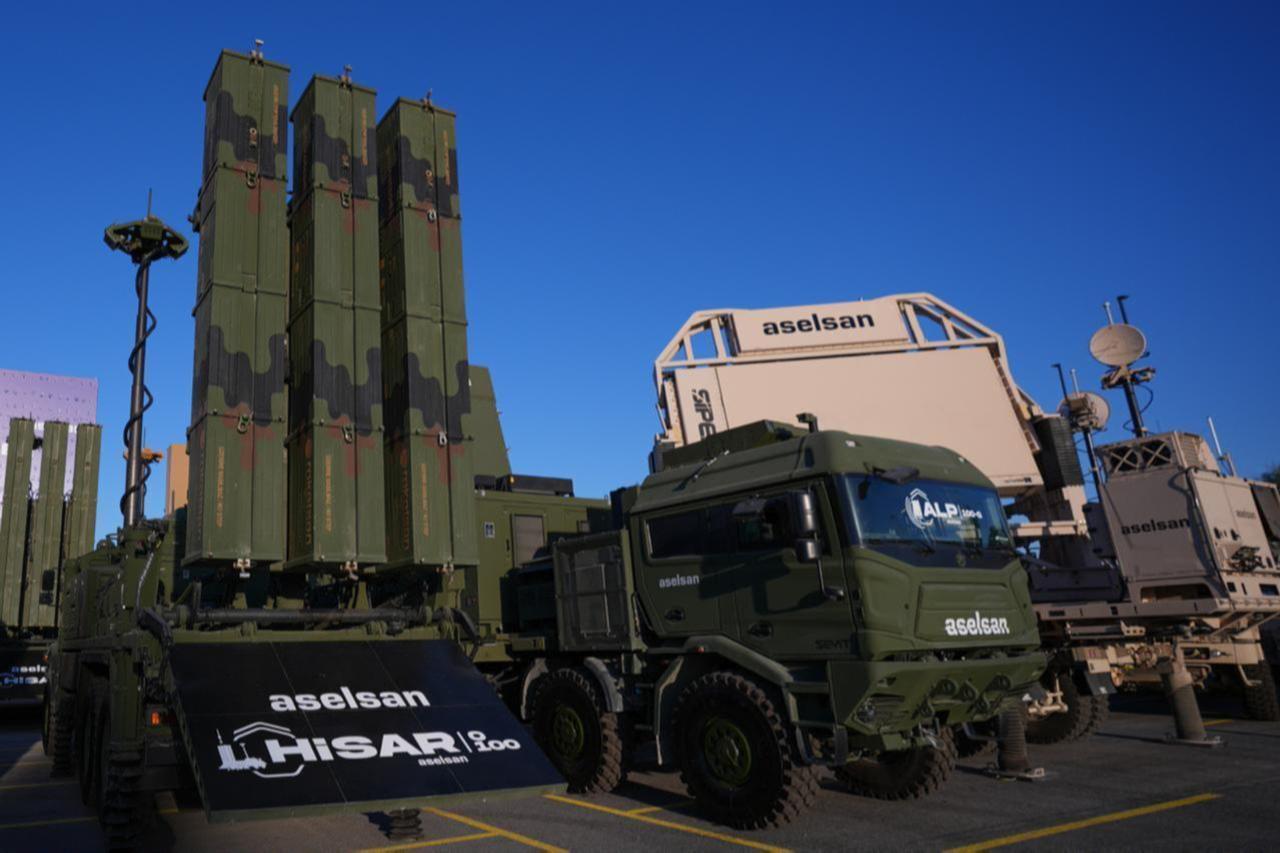
A nearly 40-day U.S./Israel-Iran war highlighted structural shifts in warfare toward AI-supported systems, electronic warfare, critical infrastructure targeting and energy-route security. The report says Türkiye’s Steel Dome, air and missile defense, and distributed command-control capabilities have become more important, while the war weakened regional security architecture and raised the risk of new tension zones in Syria, the Eastern Mediterranean and trade corridors such as the Strait of Hormuz and Middle Corridor. Overall, the article frames Türkiye as a potential stabilizing power, but in a more volatile regional environment.
The clearest market implication is not a broad “Middle East risk premium,” but a re-rating of enabling infrastructure: air defense, EW, secure communications, satellite links, and command-and-control should see durable budget priority across NATO-adjacent and Gulf buyers. That favors firms with integrated sensor-to-shooter stacks and domestic production depth, while exposing pure-play high-end platform suppliers to a higher attrition/availability discount when procurement officers reassess survivability versus cost. The second-order effect is supply-chain pull-through into munitions, radar components, power systems, and hardened logistics rather than only jets and missiles.
For energy and transport, the real risk is asymmetric and binary: chokepoint stress in Hormuz/Red Sea/Eastern Med does not need to become a full closure to move freight and insurance sharply higher. Even a modest rise in war-risk premiums can widen tanker and LNG shipping spreads within days, while the longer-duration consequence is capex reallocation toward route redundancy, storage, and pipeline security. That is a months-to-years theme, but it can be traded immediately through shipping, insurance, and select EM external-balance proxies.
The contrarian read is that the region may become less, not more, escalatory in the medium term if all parties internalize the cost of spectrum denial and infrastructure vulnerability. That would cap the upside in broad defense and oil-beta trades after the initial repricing. The most interesting under-owned angle is Turkey’s positioning as a mediator plus defense-industrial beneficiary: if Ankara successfully monetizes its balancing role, it can capture procurement share and diplomatic optionality without needing a headline crisis premium to persist.
AI-powered research, real-time alerts, and portfolio analytics for institutional investors.
Request DemoOverall Sentiment
neutral
Sentiment Score
-0.05
