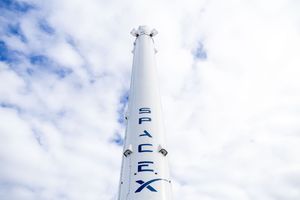
SpaceX disclosed an option to acquire AI coding startup Cursor for $60 billion or alternatively pay $10 billion for collaborative work later this year. The deal highlights deepening AI infrastructure and product integration, with Cursor's recent financing history implying a rapid valuation climb from $29.3 billion post-money in November to a potential $50 billion+ fundraise. The announcement is a positive signal for both companies and could influence valuations across AI coding and private-market AI names.
This is less about a single acquisition headline than about compute becoming a strategic currency in AI. If SpaceX is willing to embed a multi-billion-dollar call option into a strategic partnership, it signals that scarce frontier compute and model distribution are now being priced like control assets, not vendor relationships. That tends to benefit the few names that can monetize picks-and-shovels exposure to training/inference demand while increasing pressure on smaller AI startups to either partner early or be structurally acquired.
For NVDA, the second-order effect is not the rumor-level valuation print; it's the reinforcement of multi-year GPU demand durability. Frontier labs and application-layer winners are racing to secure training capacity ahead of model scaling constraints, which supports longer-duration ordering visibility and a higher floor for utilization. The risk is that custom compute and in-house clusters keep absorbing workload, but the near-term signal is still positive because even vertically integrated buyers need a broad, liquid ecosystem of accelerators, networking, and tooling.
The more interesting competitive dynamic is that this compresses the decision window for venture-backed AI app companies: either deepen integration with a strategic platform or face a steep re-rating reset if funding markets tighten. A deal at these implied levels also raises the bar for any public AI software comps trading on growth rather than current cash flow, because it validates that strategic control can outrun traditional revenue multiples. The contrarian view is that the market may be overestimating how much value accrues to the startup versus the platform owner; if the collaboration works, the economic surplus likely gets captured by the entity controlling distribution, data, and compute, not the product wrapper.
Catalyst-wise, the next 1-3 months matter more than the purchase option itself: any definitive financing, definitive acquisition, or reveal of compute sharing terms could re-rate the entire AI infrastructure stack. If the deal stalls, the read-through turns negative for late-stage private AI names and for suppliers priced for an uninterrupted capex supercycle. The key tail risk is regulatory and integration risk around a concentrated AI ecosystem, but that tends to hit multiples over quarters, not immediately.
AI-powered research, real-time alerts, and portfolio analytics for institutional investors.
Request TrialOverall Sentiment
moderately positive
Sentiment Score
0.68
Ticker Sentiment
