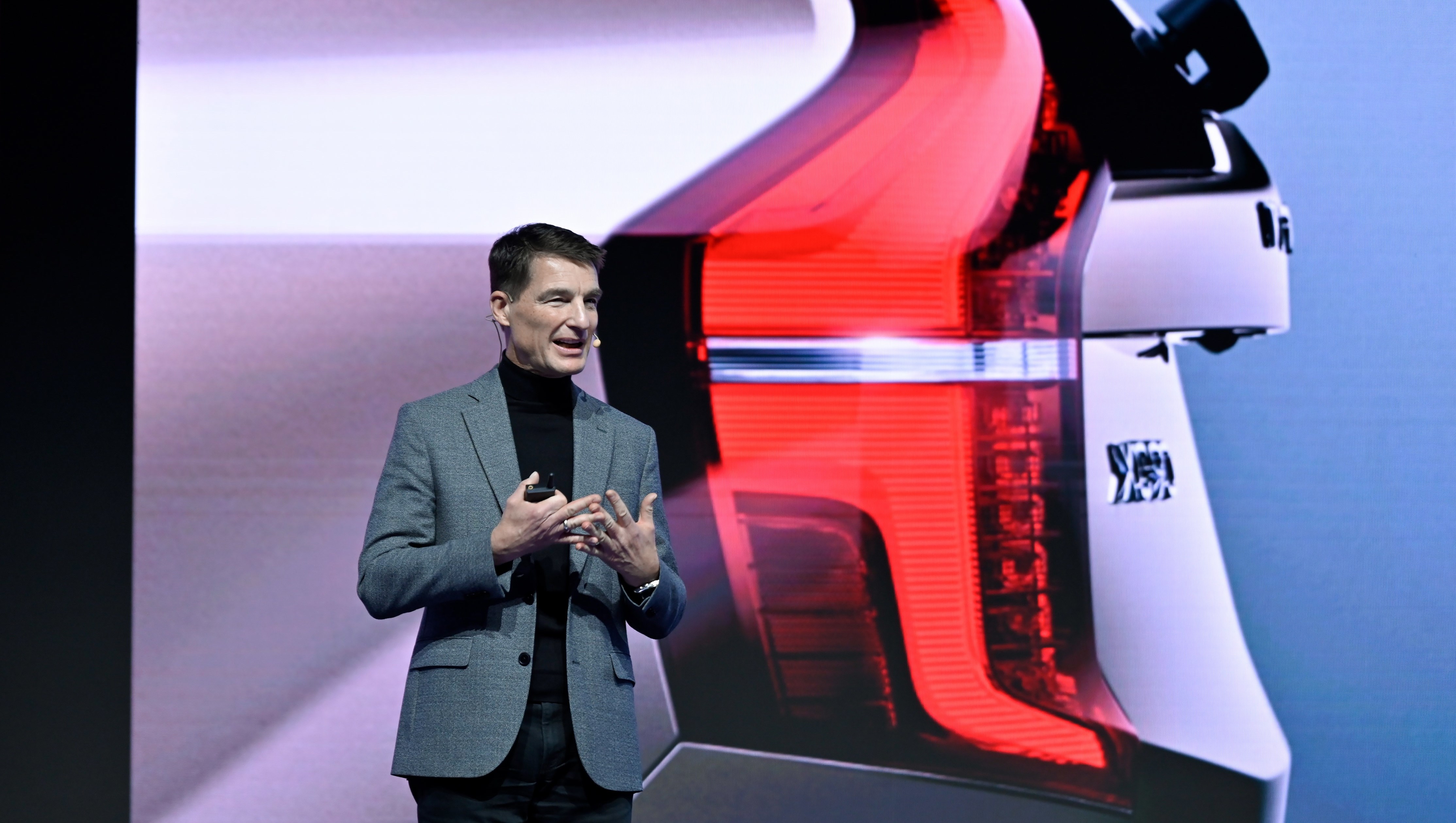
Volvo Cars has appointed Thomas Ingenlath as Chief Design Officer effective 1 February 2026, reinstating a senior designer who previously led Volvo’s contemporary Scandinavian identity and later built Polestar into a design-led EV brand; he will join the Executive Management Team and lead global design across the product portfolio. The move underscores Volvo’s strategic emphasis on design as a differentiator for its electrification push and broader ESG commitments (net-zero by 2040). The release also highlights 2024 financials: a record core operating profit of SEK 27 billion, revenue of SEK 400.2 billion and global sales of 763,389 cars, reinforcing operational strength as Volvo invests in product and design leadership.
Market structure: The Ingenlath hire is a targeted win for Volvo Cars (VOLCAR B) — it materially strengthens brand differentiation in premium EVs where perceived design can translate into ASP and margin premium. Conservatively assume a 50–100 bps operating-margin lift over 24–36 months (400.2 SEKbn revenue × 0.5–1.0% ≈ SEK 2–4bn EBIT), supporting a 10–20% equity re-rate versus auto peers if execution follows through. Direct losers are smaller design-led EV rivals (Polestar PSNY) and incumbents competing on tech-only propositions rather than Scandinavian design DNA. Risk assessment: Tail risks include a design flop, production/battery constraints in China/US, or a macro EV demand shock that erases premium pricing — each could remove the estimated SEK 2–4bn upside. Immediate impact (days) should be muted; short-term (1–6 months) moves will track sentiment around model reveals and earnings; long-term (2–4 years) is where product-cycle economics matter. Hidden dependency: design premium only converts to profit if software, supply chain and dealer/online pricing capture the uplift. Trade implications: Tactical long VOLCAR B exposure and relative-value shorts in Polestar (PSNY) or other speculative premium EV names are highest-conviction; use 6–12 month timeframes tied to model launches. Options strategy: buy 6–9m VOLCAR B call spreads (cap cost, target asymmetric payoff around next product reveal). Rotate 1–2% portfolio weight from high-volatility mass-market EV names into European premium OEMs (VOLCAR B, BMW.DE) to capture likely re-rating. Contrarian angles: Consensus underestimates design’s financial convertibility — but also may overstate it relative to software/supply advantages; historical parallels (design chiefs returning to legacy brands) often deliver brand halo but modest near-term share gains. Watch metrics: if VOLCAR B trades >15% premium to EU premium OEM basket without ≥50 bps margin improvement in next 4 quarters, the trade is likely overdone.
AI-powered research, real-time alerts, and portfolio analytics for institutional investors.
Request DemoOverall Sentiment
mildly positive
Sentiment Score
0.33
