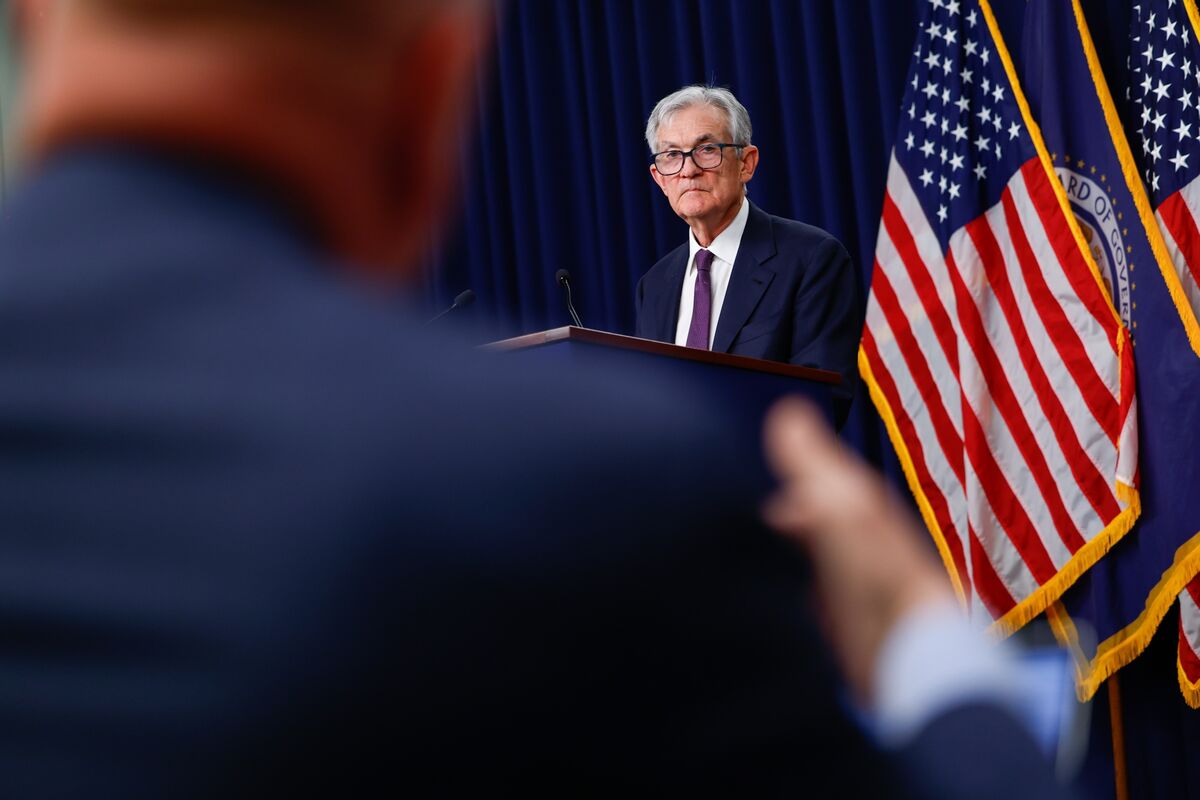
The 10-year U.S. Treasury yield edged up 1 bp to 4.35% as bonds traded rangebound ahead of the Federal Reserve's rate decision on Wednesday. Markets expect the Fed to leave rates unchanged, while traders also monitor the U.S. response to Iran's reported peace proposal. The setup is broadly neutral for Treasuries but has market-wide relevance given the Fed meeting and geopolitical overhang.
The market is effectively pricing a low-volatility pause, but that calm is fragile: when the policy path is already expected to be static, the larger driver becomes the distribution of outcomes around the statement, dots, and press conference. In that setup, the first-order move in Treasuries is usually small, but the second-order move can be large if Powell signals either a higher-for-longer bias or openness to cuts later in the year; that matters most in the 2s10s curve and in rate-sensitive equity factor leadership, not just the headline 10-year yield.
The more interesting overlay is geopolitics. Any deterioration in the Iran situation would likely hit breakevens and front-end inflation expectations faster than nominal growth expectations, creating a split where nominal yields can stay rangebound while real yields fall and energy-linked inflation hedges outperform. That can quietly tighten financial conditions even if the Fed does nothing, which is why the market’s current complacency around Treasury stability may be underpricing the risk of a sharp repricing in inflation swaps and oil volatility.
From a cross-asset perspective, the biggest losers from a stable-but-high yield regime are the most duration-sensitive corners of equities and credit: long-duration growth, leveraged balance sheets, and lower-quality refinancers. Conversely, banks and certain value/cyclical names can benefit if yields remain anchored but the curve steepens modestly, while defensive bond proxies are vulnerable if the market realizes ‘unchanged rates’ does not mean ‘easier financial conditions.’ The contrarian view is that the setup is less about direction in the 10-year and more about convexity around policy language; the trade is to own instruments that pay off on a volatility break rather than on a simple yield grind.
AI-powered research, real-time alerts, and portfolio analytics for institutional investors.
Request DemoOverall Sentiment
neutral
Sentiment Score
0.00
