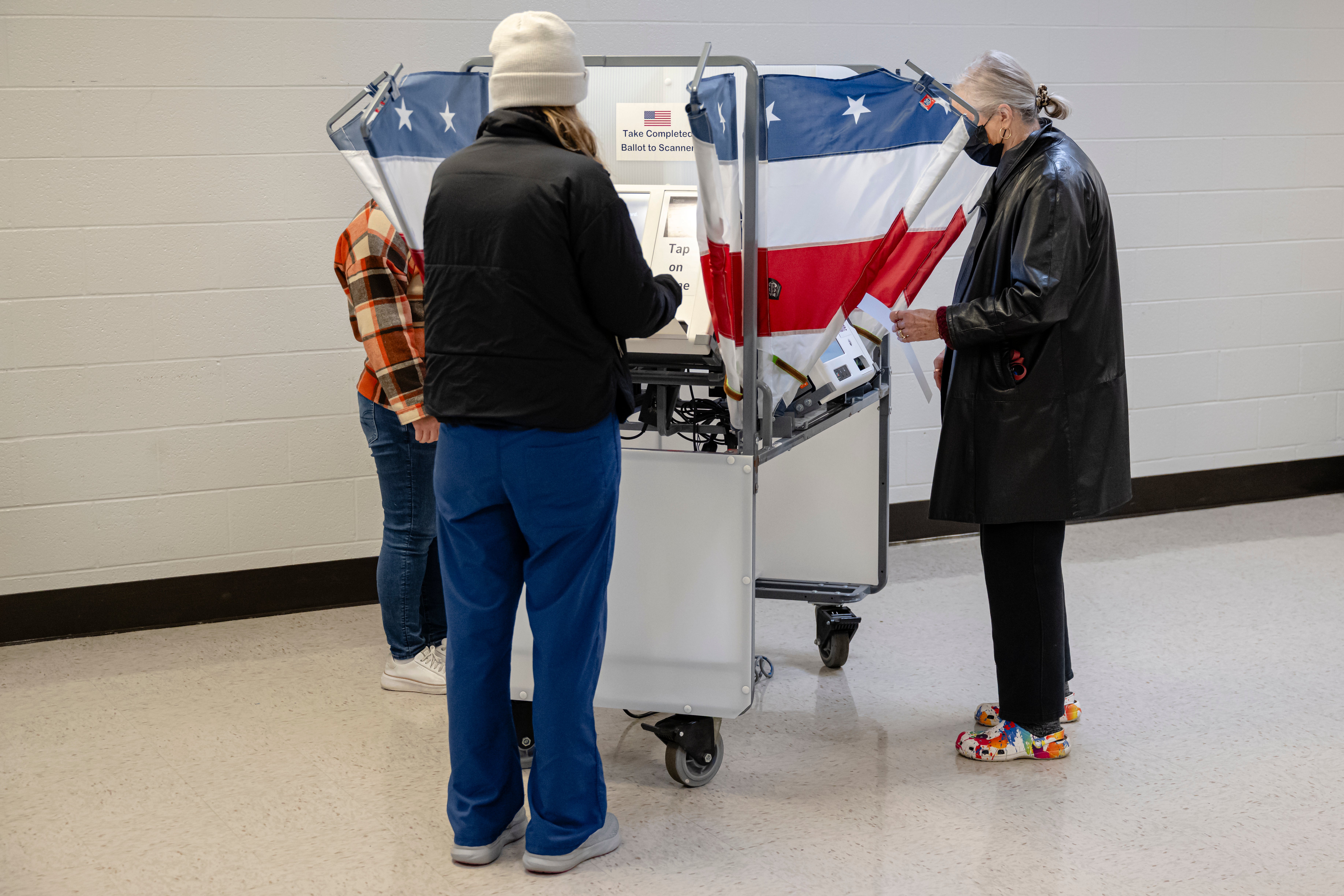
Reuters reports that Trump administration officials explored using Commerce Department authority to target Dominion Voting Systems machines and potentially restrict voting-machine components as alleged national-security risks, but the effort collapsed for lack of evidence. The plan would have affected machines used in more than half of U.S. states and was tied to debunked claims of Venezuelan-backed election hacking. The article is primarily political and legal in nature, with limited direct market impact.
The market implication is less about the election narrative itself and more about the likelihood of a rolling regulatory and legal overhang on voting-tech and adjacent hardware vendors. Even though the broader effort appears to have failed, the episode increases the probability of recurring federal-state conflict, which keeps procurement cycles unstable and raises the discount rate on any company exposed to election infrastructure, audit equipment, or related supply-chain scrutiny over the next 6-18 months.
For INTC specifically, the direct read-through is small but not zero: any campaign to classify chips or components as national-security sensitive could create headline risk for large, opaque supply chains and periodic inquiries into packaging origin, foundry geography, and downstream traceability. That is not a demand destroyer, but it can lengthen sales cycles, elevate compliance costs, and force more conservative sourcing disclosures across the semiconductor stack. The bigger second-order effect is that domestic packaging, traceability, and secure-supply-chain providers become relatively more valuable if this theme persists.
The contrarian view is that the failure to produce evidence matters more than the political noise. Without a credible legal basis, these efforts may remain performative and episodic rather than structurally material, which argues against chasing a broad semiconductor selloff. The risk is asymmetry around future state or federal actions: a single executive-branch move or enforcement inquiry could trigger a short, sharp de-rating in names with election/security relevance, but absent that catalyst the current impact should fade into a low-grade governance overhang rather than a fundamental earnings event.
AI-powered research, real-time alerts, and portfolio analytics for institutional investors.
Overall Sentiment
mildly negative
Sentiment Score
-0.30
Ticker Sentiment
