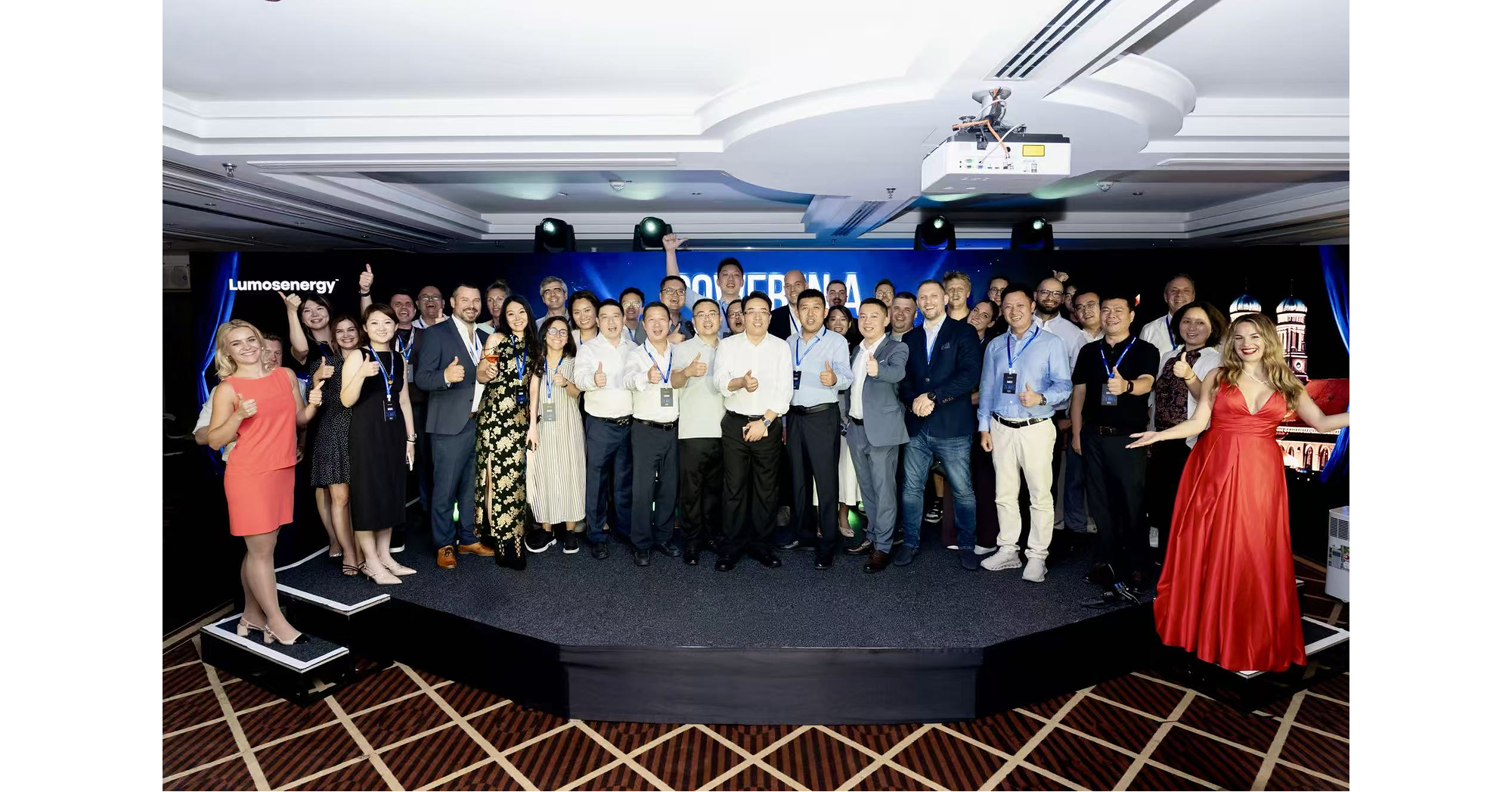
Lumosenergy anunció el lanzamiento global de su marca en Múnich durante Power2Drive Europe 2026, con énfasis en su expansión internacional tras entregar más de 170.000 cargadores CC y operar proyectos en más de 50 países. La empresa destacó su megafábrica de Xi’an (220.000 m², cero emisiones de carbono) con capacidad anual de 200.000 puntos de carga CC, 500.000 cargadores CA y 2,4 GWh de sistemas BESS, reforzando su capacidad de suministro. Presentó una cartera para Europa (CA certificación CE, CC todo en uno, carga distribuida hasta 1,44 MW, gestión dinámica de carga) y una hoja de ruta hacia carga megavatio y soluciones V2V/autónomas, junto con acuerdos de cooperación (p. ej., Phoenix Contact E-Mobility).
This looks less like a single-company milestone and more like a signal that Chinese EVSE vendors are moving up the value chain in Europe: local presence, compliance language, and a strategic partner lower the adoption friction that usually protects incumbent suppliers. That is bearish for smaller pure-plays whose edge is product breadth but not service density, because charger hardware is drifting toward a commoditized procurement market where price, uptime, and local spare-parts logistics matter more than brand.
The immediate market reaction should be limited; launch events rarely change bookings in the next few days. The real catalyst window is 1-3 quarters, when European CPOs and fleet operators start re-tendering and peers disclose margin or backlog pressure; if this expansion is real, gross margins at charging hardware names will be the first place it shows up. For diversified electrical names, the second-order benefit is less on charger ASPs and more on grid interconnection, switchgear, and service revenue tied to electrification capex.
The contrarian miss is that the market may be overfocusing on "Chinese competition" and underappreciating that the real winner is the buyer: European fleets and CPOs get lower installed cost and faster deployment, which can accelerate volume even if OEM economics worsen. The main falsifiers are regulatory, not competitive: EU anti-dumping action, cybersecurity/standards pushback, or local-content requirements could quickly blunt share gains and reverse any short thesis. If European EV demand stalls, the launch becomes a capacity story, not a growth story.
AI-powered research, real-time alerts, and portfolio analytics for institutional investors.
Request TrialOverall Sentiment
mildly positive
Sentiment Score
0.25
