Researchers at Harvard-affiliated Mass General Brigham have developed HPV-DeepSeek, a novel liquid biopsy blood test capable of detecting HPV-related head and neck cancers up to 10 years before symptoms manifest. This test, which accurately identified 27 out of 28 future cancer cases in a study, addresses the critical gap in screening for HPV-associated head and neck cancers, responsible for 70% of US cases. Early detection promises significantly improved treatment success and less intensive regimens, potentially impacting healthcare strategies and patient outcomes in oncology.
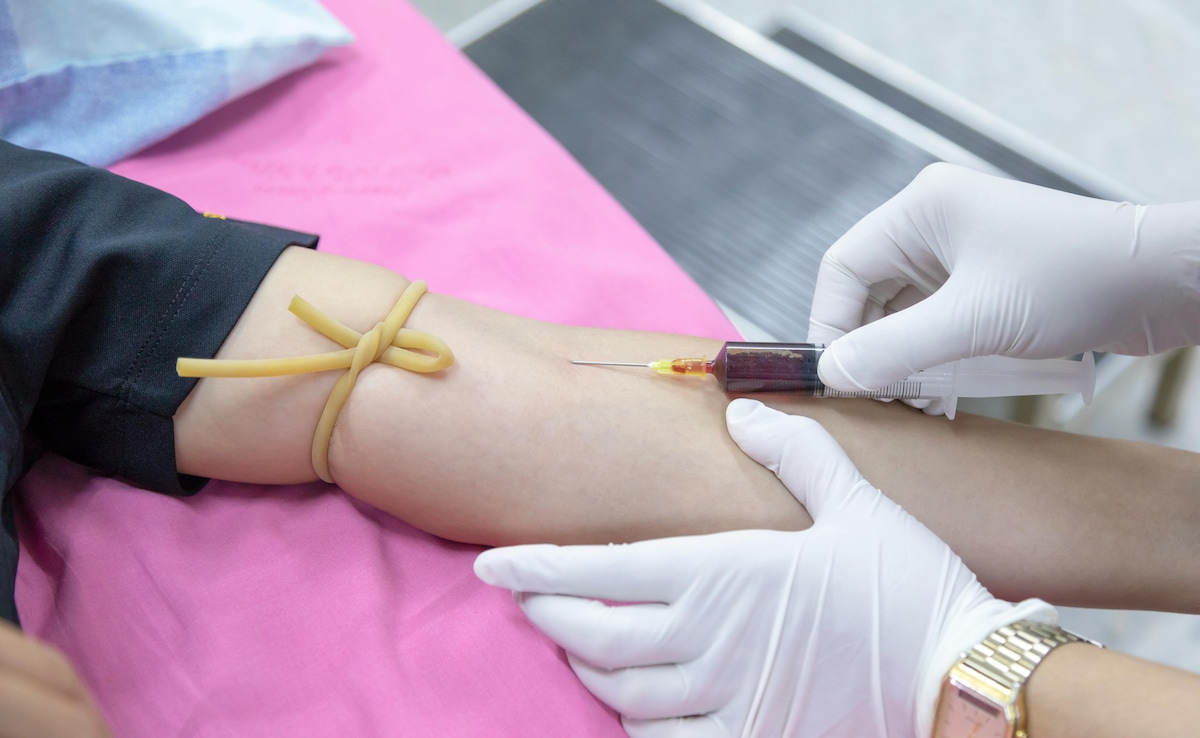
New blood test identifies head and neck cancers up to 10 years before symptoms appear - HPV causes about 70 per cent of US head and neck cancers and lacks a screening test - HPV-DeepSeek liquid biopsy detects HPV-related cancers early in asymptomatic individuals Scientists have devised a new blood test that can help identify head and neck cancers up to 10 years before the symptoms appear. Researchers from Harvard-affiliated Mass General Brigham published their findings in the Journal of the National Cancer Institute, highlighting that by catching cancers early, patients may experience higher treatment success and require a less intense regimen. Human papillomavirus (HPV) is responsible for an estimated 70 per cent of head and neck cancers in the US, making it the most common cancer caused by the virus, the study showed. Despite this, there is no screening test for HPV-associated head and neck cancers. To address the issue, the researchers developed a novel liquid biopsy test, called HPV-DeepSeek, that can detect HPV-related head and neck cancers early, before symptoms develop. "Our study shows for the first time that we can accurately detect HPV-associated cancers in asymptomatic individuals many years before they are ever diagnosed with cancer," said lead study author Daniel L Faden, assistant professor of otolaryngology–head and neck surgery at Harvard Medical School. "By the time patients enter our clinics with symptoms from the cancer, they require treatments that cause significant, life-long side effects. We hope tools like HPV-DeepSeek will allow us to catch these cancers at their very earliest stages, which ultimately can improve patient outcomes and quality of life." Also Read | 'Rejected In Just 8 Minutes': Techie's 'Devastating' Job Hunt Story Goes Viral Study methodology For the study, researchers tested 56 samples: 28 from individuals who went on to develop cancer years later, and 28 from healthy controls. The new test managed to detect HPV tumour DNA in 22 out of 28 blood samples from patients who later developed cancer, whereas all 28 control samples tested negative, indicating that the test is highly specific. The test's ability to detect HPV DNA in blood samples was higher for samples collected closer to the time of a patient's diagnosis. The earliest positive result was found in a blood sample that was taken 7.8 years before the diagnosis. The researchers then used a machine learning model to improve the test's efficiency, which helped it accurately identify 27 out of 28 cancer cases, including samples collected up to 10 years prior to diagnosis. Track Latest News Live on NDTV.com and get news updates from India and around the world Researchers at Harvard-affiliated Mass General Brigham have developed a novel liquid biopsy blood test, HPV-DeepSeek, which demonstrates a significant breakthrough in early cancer detection. The test successfully identified HPV-related head and neck cancers in asymptomatic individuals up to 10 years before a clinical diagnosis. In a study published in the Journal of the National Cancer Institute, a machine learning-enhanced version of the test accurately identified 27 out of 28 future cancer cases while correctly identifying all 28 healthy control samples as negative, indicating high specificity and sensitivity. This development is particularly notable as it addresses a major unmet need; HPV is responsible for an estimated 70% of head and neck cancers in the US, yet no standard screening test currently exists. The ability to detect these cancers at their earliest stages could fundamentally alter treatment paradigms, potentially leading to less invasive therapies and substantially improved patient outcomes. As the technology originates from a research institution, its market impact is currently indirect but signals a major technological advancement within the diagnostics, oncology, and AI-driven healthcare sectors.
AI-powered research, real-time alerts, and portfolio analytics for institutional investors.
Request DemoOverall Sentiment
strongly positive
Sentiment Score
0.75
