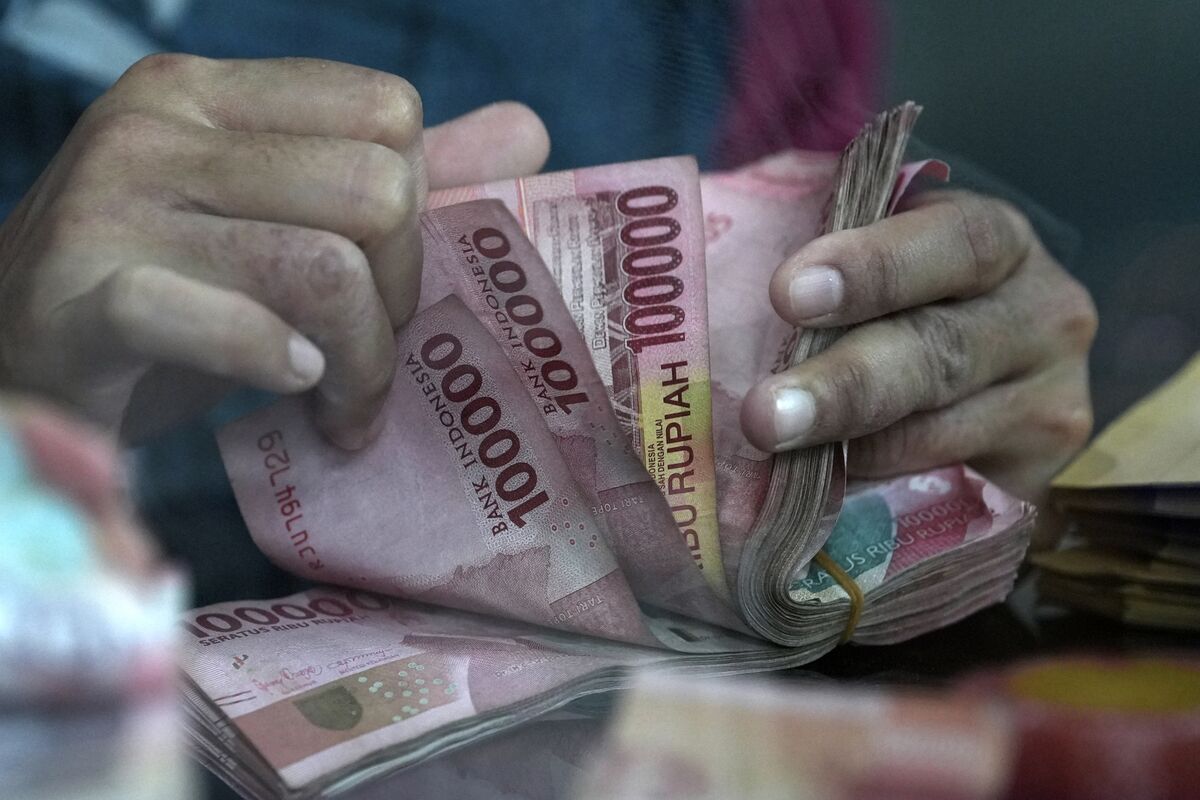
Bank Indonesia intervened in foreign exchange markets to stabilize the rupiah after the currency reached a one-month low, following the Federal Reserve's hawkish tone that propelled the dollar to a two-month high. The central bank affirmed its commitment to ensuring rupiah stability in line with its fundamental value through various market measures, signaling active management of currency volatility amidst global monetary policy shifts.
Bank Indonesia has executed a defensive intervention in the foreign-exchange market to stabilize the rupiah, which had fallen to a one-month low. This currency weakness was a direct consequence of a U.S. dollar surge to a two-month high, catalyzed by a hawkish tone from the U.S. Federal Reserve. The intervention, confirmed by Bank Indonesia's executive director Erwin Hutapea, signals the central bank's commitment to managing volatility and aligning the currency with its perceived fundamental value. This action underscores the vulnerability of emerging market currencies to shifts in U.S. monetary policy and highlights the external pressures currently facing the Indonesian economy, prompting a reactive, rather than proactive, policy response.
AI-powered research, real-time alerts, and portfolio analytics for institutional investors.
Request DemoOverall Sentiment
moderately negative
Sentiment Score
-0.50
