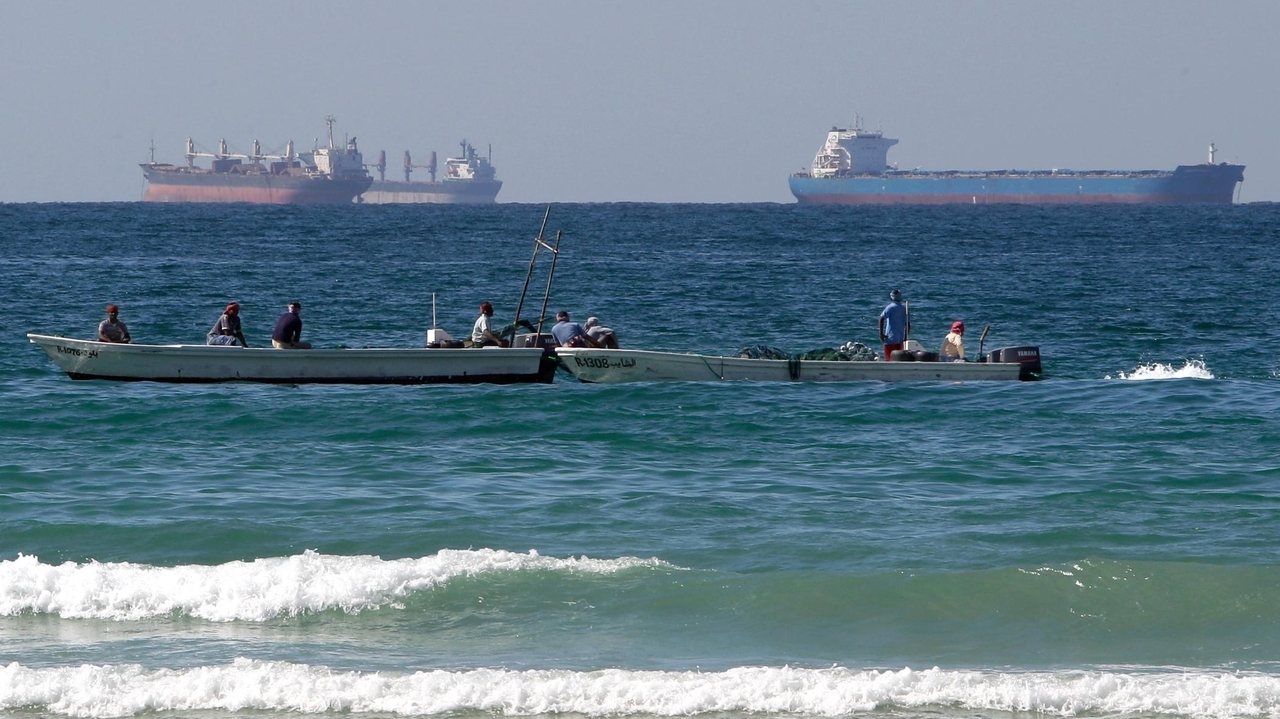
The U.S. Treasury granted India a 30-day waiver (until April 4) to purchase Russian crude and petroleum products—ostensibly to relieve upward pressure on global fuel costs—while the Iran war and effective closure of the Strait of Hormuz have sent Brent to about $89/bbl (from ~$73 a week earlier) and Russia’s Urals to ~$70/bbl. The move can unlock roughly 125 million barrels stranded on tankers and comes amid G7 price-cap enforcement, sanctions on Rosneft/Lukoil and earlier U.S. tariff actions on India; Russian budget planning assumed ~$59/bbl for 2026 and oil & gas account for roughly 20–30% of federal revenues, with state hydrocarbon receipts at 393 billion rubles (~$5bn) in January and a 1.7 trillion ruble (~$21.8bn) monthly shortfall. Analysts note a short, contained conflict could see prices revert toward ~$65/bbl, while a prolonged Middle East war damaging Gulf production could push prices above $100/bbl and deliver a sustained fiscal windfall to Russia.
Market structure: The 30-day U.S. waiver and Strait of Hormuz disruption create an immediate 15–30% upside shock to oil price realizations for sellers of marginal barrels; Brent moved to ~$89 (from ~$73) and Urals to ~$70, compressing the Urals-Brent discount and returning material fiscal breathing room to Russia if sustained. Direct winners are global upstream producers, energy service firms and tanker owners/insurers; losers are airlines, trade-sensitive EM consumers, and Gulf exporters whose flows are interrupted. Competitive dynamics: buyers with logistics flexibility (India/China refiners, shadow fleet-enabled traders) gain pricing power to source discounted crude, raising the bargaining leverage of non-Western buyers over time.
Risk assessment: Tail scenarios include (A) rapid escalation closing Hormuz for >30 days pushing Brent >$100–$140 (high impact) and (B) a fast diplomatic de-escalation returning Brent to ~$65 within 1–3 weeks. Immediate (days) risk = extreme volatility; short-term (weeks–months) risk = disrupted shipping/insurance chains and LNG outages; long-term (quarters+) risk = structural re-routing and persistent premium on non-Gulf barrels. Hidden dependencies: insurance markets, G7 price-cap enforcement, and Indian policy choices are decisive catalysts; sanctions tightening on shadow shipping would rapidly re-compress Russian flows.
Trade implications: Tactical bias is to overweight energy (XLE, XOM, CVX) and LNG shipping while underweighting airlines (JETS, UAL, DAL) and EM consumer discretionary (EEM) for 1–3 months. Use defined-risk options (3-month call spreads on XLE/XOM sized 1–3% NAV) to capture spikes while limiting downside if the conflict resolves. Pair trades (long XLE / short JETS) and short-dated WTI/Brent call purchases as event hedges are preferred over naked longs.
Contrarian angles: The market may be overstating permanency — the waiver is 30 days and a short ceasefire could send Brent back to ~$65 quickly; therefore avoid naked, long-dated directional bets >3% NAV. Historical parallels (1990 Gulf shock) show big spikes then mean reversion over months; favor scalable, defined-loss structures. Unintended effects: sustained oil >$100 would accelerate inflation-driven rate hikes, slamming growth assets — hedging rates or reducing duration risk is prudent if Brent sustains above $100 for 30 days.
AI-powered research, real-time alerts, and portfolio analytics for institutional investors.
Request TrialOverall Sentiment
mixed
Sentiment Score
0.00
