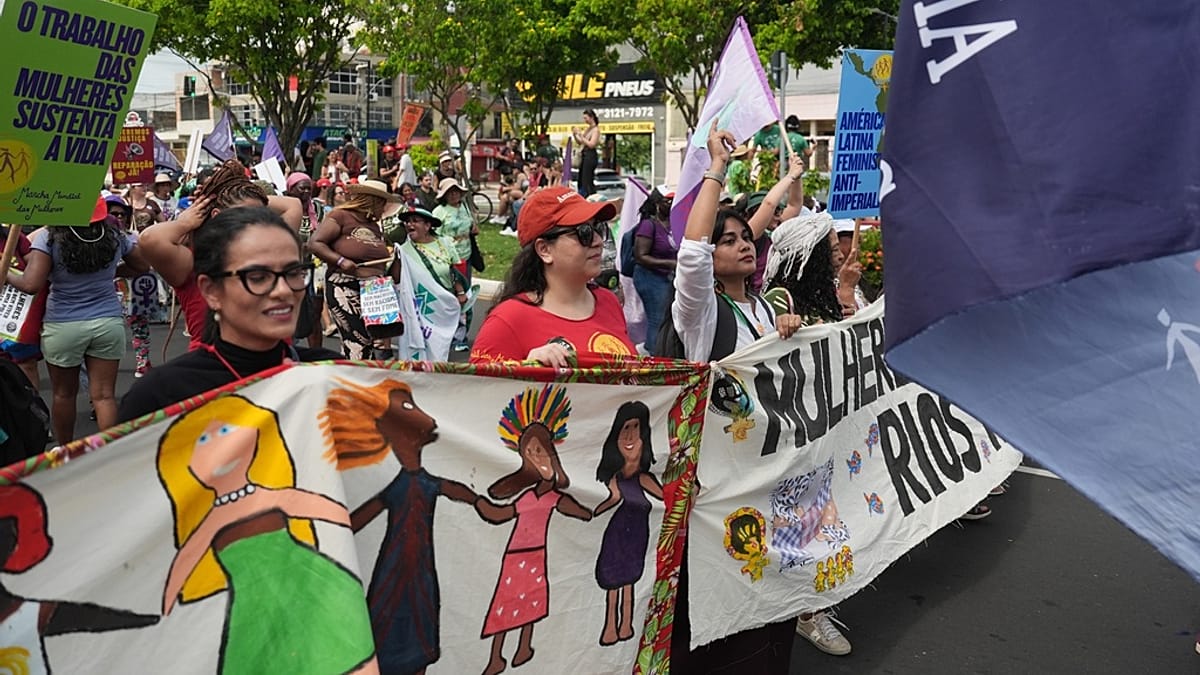
The COP30 climate conference in Belem, Brazil, is experiencing significant protests from youth and indigenous groups demanding greater representation and urgent climate action. Despite these disruptions and calls, analysts and participants largely do not expect any major new climate agreements to emerge from the talks, though some anticipate progress on existing commitments, particularly financial aid for developing nations' climate adaptation. The notable absence of the United States from these discussions further highlights the challenging outlook for substantial global climate policy advancements at this summit.
The COP30 climate conference in Belem, Brazil, is marked by significant protests from youth and indigenous groups advocating for urgent climate action and greater representation, a notable shift as open demonstrations were permitted for the first time in three years. Despite this heightened activism, the overall sentiment surrounding the talks is "moderately negative" and "pessimistic," with analysts anticipating no major new agreements.
This pessimistic outlook, reflected in a low market impact score of 0.15, suggests limited tangible policy advancements are expected from the summit. While there is hope for progress on existing commitments, particularly financial aid for developing nations' climate adaptation, the persistent protests highlight a growing disconnect between public demand and anticipated negotiation efficacy.
The notable absence of the United States further dampens prospects for comprehensive global climate policy breakthroughs, indicating a challenging environment for regulatory and legislative progress in ESG and climate policy. This geopolitical fragmentation suggests that international climate efforts may continue to face significant hurdles, impacting the pace of green and sustainable finance initiatives.
AI-powered research, real-time alerts, and portfolio analytics for institutional investors.
Overall Sentiment
moderately negative
Sentiment Score
-0.40
