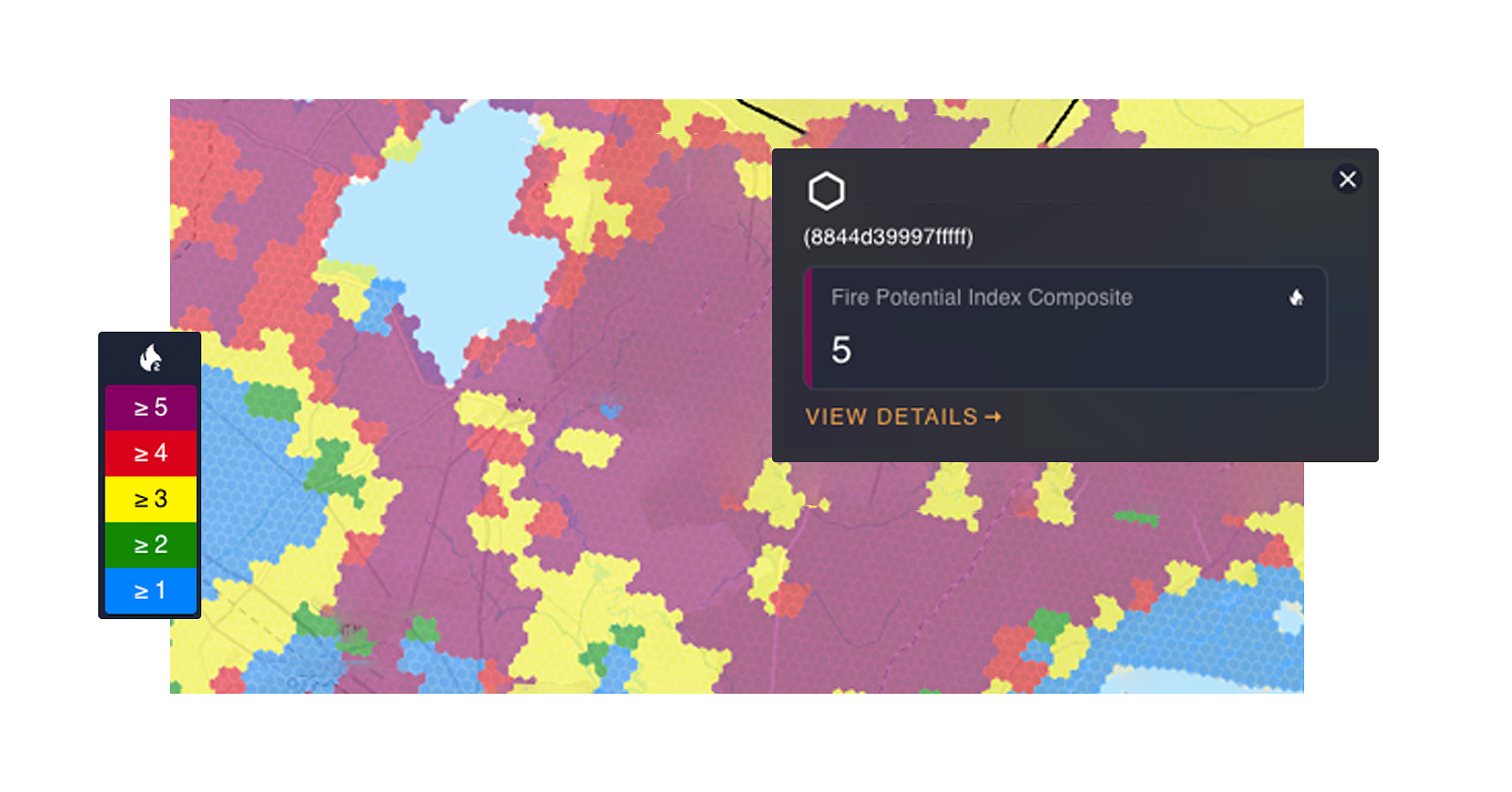
Technosylva launched Fire Potential Index (FPI) 2.0, a next-generation wildfire and extreme-weather risk-intelligence suite that provides a dynamic 1–5 fire-danger scale (Very Low to Extreme) updated multiple times per day for highly localized utility decision-making. The upgrade adds the Fire Potential Wind Index (FPWI) to flag wind-driven, catastrophic powerline-fire conditions and is validated against hundreds of thousands of fires to support earlier, more targeted operational actions such as EPSS and PSPS. Overall, the news is product-focused and likely to be incremental for markets rather than broadly market-moving.
The near-term equity impact is mostly second-order: this is not an earnings event for utilities, but it does shift the operating standard from broad outage management toward defensible, asset-level decisioning. That helps the companies most exposed to wildfire headlines because better targeting can lower customer minutes curtailed and soften regulator backlash, but it also raises the evidentiary bar after any ignition — if the tool says conditions were extreme, plaintiffs and regulators will expect tighter action, not leniency.
For the public market, the relevant names are the California-heavy utilities and the insurer/reinsurer complex, not the software vendor. Over 1-3 months, the main catalyst is whether wildfire-season commentary shows fewer blanket PSPS events and smaller affected footprints; if that shows up, it is modestly constructive for PCG/EIX/SRE sentiment, but the fundamental EPS lift is limited because wildfire spend shifts from emergency response to compliance and grid hardening.
The contrarian angle is that more precise fire scoring may actually reduce the optionality narrative around backup power and microgrids if outages become narrower and more predictable. Consensus may also be underestimating liability compression: once a utility adopts validated decision-grade tools, a future fire becomes harder to defend as an unforeseeable event, so reserve risk can stay elevated even if outage breadth improves. Net: bullish on operational discipline, not automatically bullish on equity multiples.
AI-powered research, real-time alerts, and portfolio analytics for institutional investors.
Overall Sentiment
mildly positive
Sentiment Score
0.15
